
Riddle me this…

A town in Florida has been target of a hack which briefly altered chemicals in its water supply to “potentially damaging levels” according to local media reports. Federal and local authorities are currently investigating the computer network intrusion which happened last Friday morning, the alarming details of which are emerging Monday.
Plant operators overseeing the small city of Oldsmar’s water supply began observing strange activity on their monitors. That’s when technicians noticed that sodium hydroxide levels (or lye), which is used to treat the city’s water in small amounts in order to control acidity while removing heavy metals, was being remotely pushed higher.
Technicians noticed the chemical levels being subject of unauthorized external manipulation in real-time and immediately moved to restore the sodium hydroxide input to its safe, correct levels. The AP detailed based on local reporting: “A plant worker first noticed the unusual activity at around 8 a.m. Friday when someone briefly accessed the system.”
“At about 1:30 p.m., someone accessed it again, took control of the mouse, directed it to the software that controls water treatment and increased the amount of sodium hydroxide,“ the report continued.
The hacker or hackers have yet to be uncovered and apprehended.

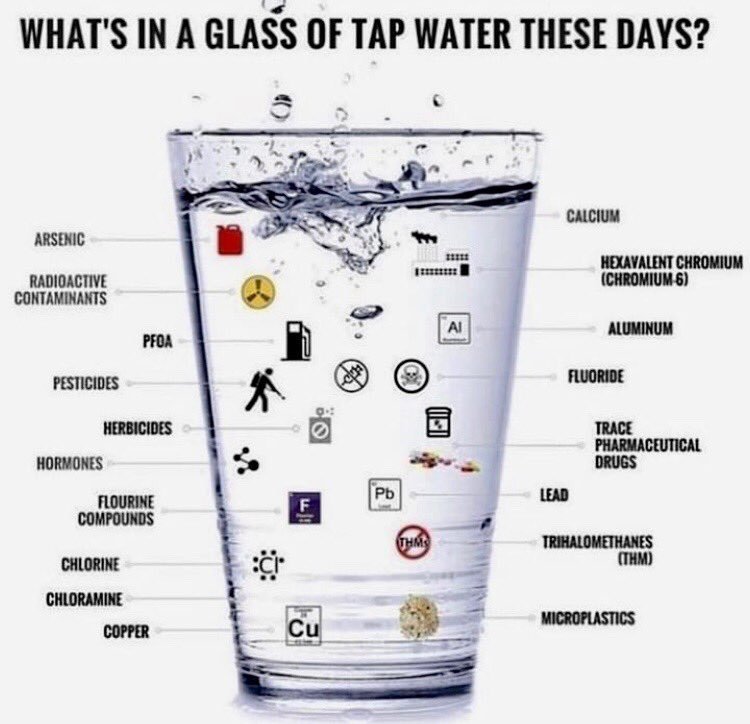
Sleeping pills may be disturbing river ecosystems by turning fish into greedy, risk-taking loners, say researchers.
Scientists studied the behaviour of perch exposed to a sedative which is carried into waterways through sewage.
The drug, a benzodiazepine used to treat anxiety and insomnia called oxazepam, made the fish bolder and less social.
In a press release from BSMS, the study’s lead author Professor Anjum Memon said: “It is promising that higher levels of trace lithium in drinking water may exert an anti-suicidal effect and have the potential to improve community mental health.”
Part funded by King’s College London, the study is a meta-analysis of three decades of research in Austria, Greece, Italy, Lithuania, UK, Japan and USA.World News
It concludes that lithium’s “protective” abilities could be further tested by “randomised community trials of lithium supplementation of the water supply” in communities with high prevalence of mental health conditions and risk of suicide.
Deliberately lacing the water supply with a mind-altering chemical in some zones might seem like something out of a science fiction novel, but the authors of the report – as other scientists have said before them – think it’s an idea worth experimenting.
 Hellbound and Down
You must be logged in to post a comment.