You can’t sue Pfizer or Moderna if you have severe Covid vaccine side effects. The government likely won’t compensate you for damages either

If you experience severe side effects after getting a Covid vaccine, lawyers tell CNBC there is basically no one to blame in a U.S. court of law. 

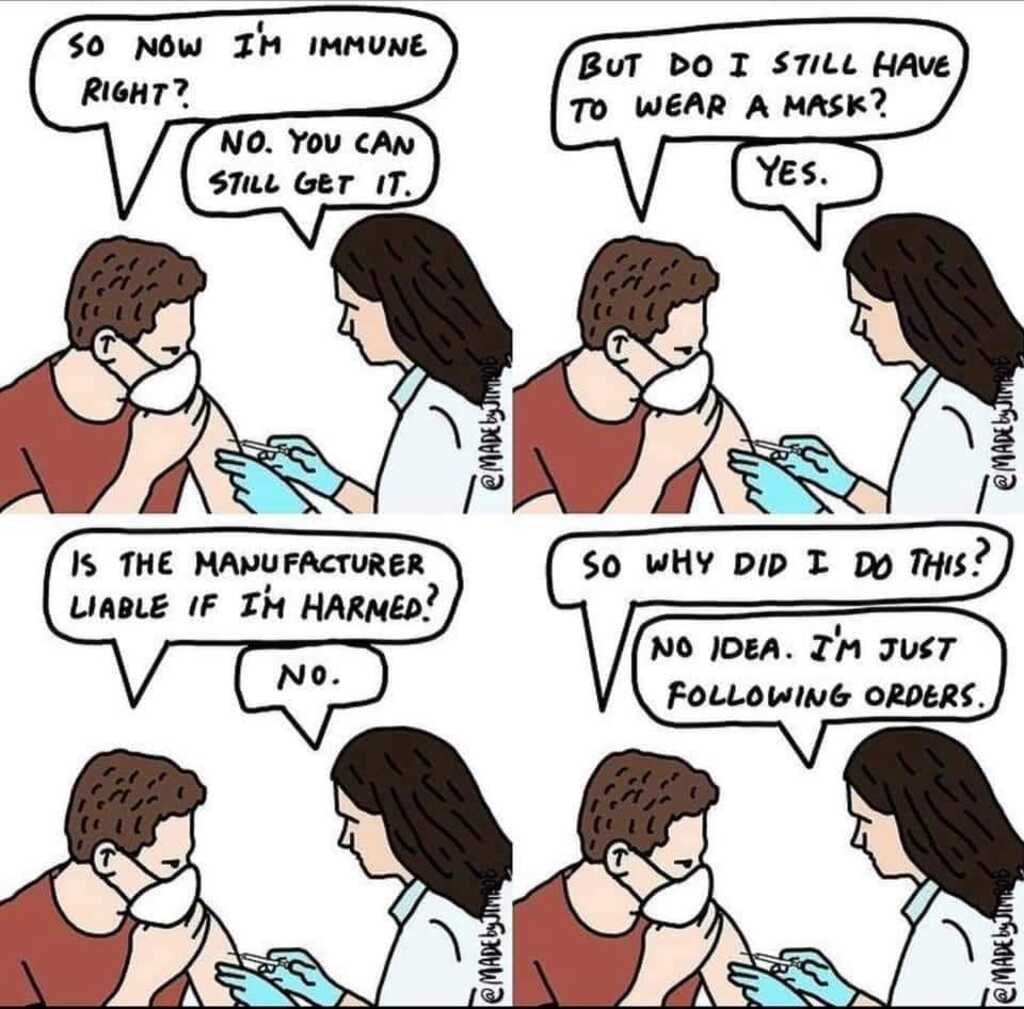
The federal government has granted companies like Pfizer and Moderna immunity from liability if something unintentionally goes wrong with their vaccines.

“It is very rare for a blanket immunity law to be passed,” said Rogge Dunn, a Dallas labor and employment attorney. “Pharmaceutical companies typically aren’t offered much liability protection under the law.“

You also can’t sue the Food and Drug Administration for authorizing a vaccine for emergency use, nor can you hold your employer accountable if they mandate inoculation as a condition of employment.

Congress created a fund specifically to help cover lost wages and out-of-pocket medical expenses for people who have been irreparably harmed by a “covered countermeasure,” such as a vaccine. But it is difficult to use and rarely pays. Attorneys say it has compensated less than 6% of the claims filed in the last decade.

Keep reading

Researchers Warn Some Covid-19 Vaccines Could Increase Risk Of HIV Infection

Some of the Covid-19 vaccines currently in development could increase the risk of acquiring HIV, warned a group of researchers in the The Lancet medical journal Monday, potentially leading to an increase in infections as vaccines are rolled out to vulnerable populations around the world. 

Keep reading

Twitter To Remove Tweets Containing Vaccine Misinformation

Twitter announced Wednesday that beginning in 2021, it will remove tweets containing misinformation about Covid-19 vaccines as conspiracy theories surrounding inoculations increase following the beginning of the largest immunization campaign in U.S. history.

Keep reading

People with vaccine certificates to face fewer restrictions on life

Vaccine certificates may be needed to attend social gatherings or sporting events once the majority of the population are vaccinated.

At the launch of the National Covid-19 Vaccination Programme, Health Minister Stephen Donnelly said certificates could play a key role in the fight against coronavirus if the vaccine significantly reduces transmission of the disease.

Keep reading

Pfizer CEO says he hasn’t taken his vaccine yet because he doesn’t want to cut in line

As the ‘Rona vaccine rolls out of deep freezers and toward a hospital near you, one man has bravely risked a 0.01% chance of death by courageously giving up his vaccine shot for you and grandma.

That man is Pfizer CEO Albert Bourla – just a charitable soul who has absolutely nothing to gain from being the first to get this vaccine to market.

When asked Monday if he had taken the vaccine, Bourla said no, explaining that there are bureaucratic rules to follow after all.

Keep reading

Health worker in Alaska had serious allergic reaction to Pfizer’s vaccine

A health worker in Alaska had a serious allergic reaction after getting Pfizer Inc’s coronavirus vaccine, the New York Times reported on Wednesday, citing three people familiar with reports of the person’s health.The allergic reaction occurred on Tuesday and the person was in stable condition after being hospitalized, the New York Times reported.It was not clear if the person had a history of allergic reactions, the report said.

Keep reading

Mass. Prisoners Among The First To Get COVID Vaccines

Among those first in line for the COVID-19 vaccine in Massachusetts are correction workers and the nearly 13,000 people incarcerated in jails and prisons in the state. The news comes as COVID cases continue to spike behind bars.

Gov. Charlie Baker included both groups in the first phase of his COVID vaccination plan, which he announced last week. The first phase also includes health care workers, police, fire and emergency responders and residents of long term care facilities and those living and working in homeless shelters. Massachusetts is one of six states to specifically include prisoners in the first phase of vaccinations, according to the Prison Policy Initiative.

The Department of Correction referred questions about the vaccine process to the state’s COVID-19 Response Command Center. It says those working and living in congregate care settings, like homeless shelters and correctional facilities, are prioritized for phase one because of the high-risk, high-exposure setting. The state estimates that 22,000 vaccines will be needed for those living and working in correctional facilities, and officials expect the vaccines to be distributed between December and February. Details about how the vaccines will be given behind bars will be clearer once the state receives vaccine shipments.

Keep reading