
Albert Einstein on free speech…

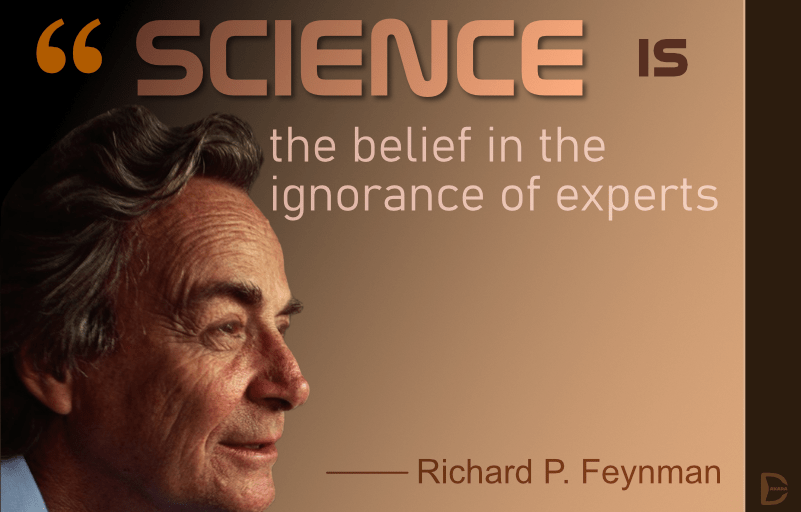
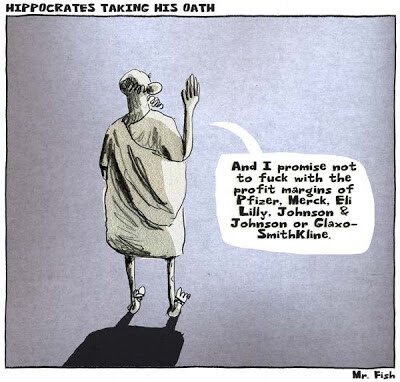
On Wednesday, Texas Representative James Talarico told fellow commitee members that there were more than two biological sexes.
Talarico pointed out the other biological sexes in a Committee on Public Education hearing on Wednesday, in which Talarico holds a seat.
“Modern science obviously recognizes that there are many more than two biological sexes, in fact, there are six,” stated Talarico. “Which honestly surprised me too cause I am not well versed in this issue area, I’m not a scientist I’m a politician, a lot worse than a scientist.”
Social media giant Twitter has continued to flex its power to censor information by silencing a renowned Harvard professor and epidemiologist who expressed a perspective on COVID-19 vaccines, which was scientifically validated, but contrary to Big Tech’s well established pro-lockdown and vaccine acceptance biases.
Dr. Martin Kulldorff is on a vaccine safety subgroup that advises the CDC, FIH and FDA. In addition to being a professor at Harvard, he also works as a biostatician and epidemiologist at the Brigham and Women’s Hospital. Dr. Kulldorff has been cited in more than 25,000 academic articles.
Kulldorff is one of three co-creators of the Great Barrington Declaration, which offers a scientifically validated perspective, the gearing of lockdowns and vaccines towards protecting the most vulnerable.
The Declaration uses the term “Focused Protection” to describe the perspective that: “The most compassionate approach that balances the risks and benefits of reaching herd immunity, is to allow those who are at minimal risk of death to live their lives normally to build up immunity to the virus through natural infection, while better protecting those who are at highest risk.”


For the first time, scientists have created embryos that are a mix of human and monkey cells.
The embryos, described Thursday in the journal Cell, were created in part to try to find new ways to produce organs for people who need transplants, said the international team of scientists who collaborated in the work. But the research raises a variety of concerns.
“My first question is: Why?” said Kirstin Matthews, a fellow for science and technology at Rice University’s Baker Institute. “I think the public is going to be concerned, and I am as well, that we’re just kind of pushing forward with science without having a proper conversation about what we should or should not do.”
Still, the scientists who conducted the research, and some other bioethicists defended the experiment.
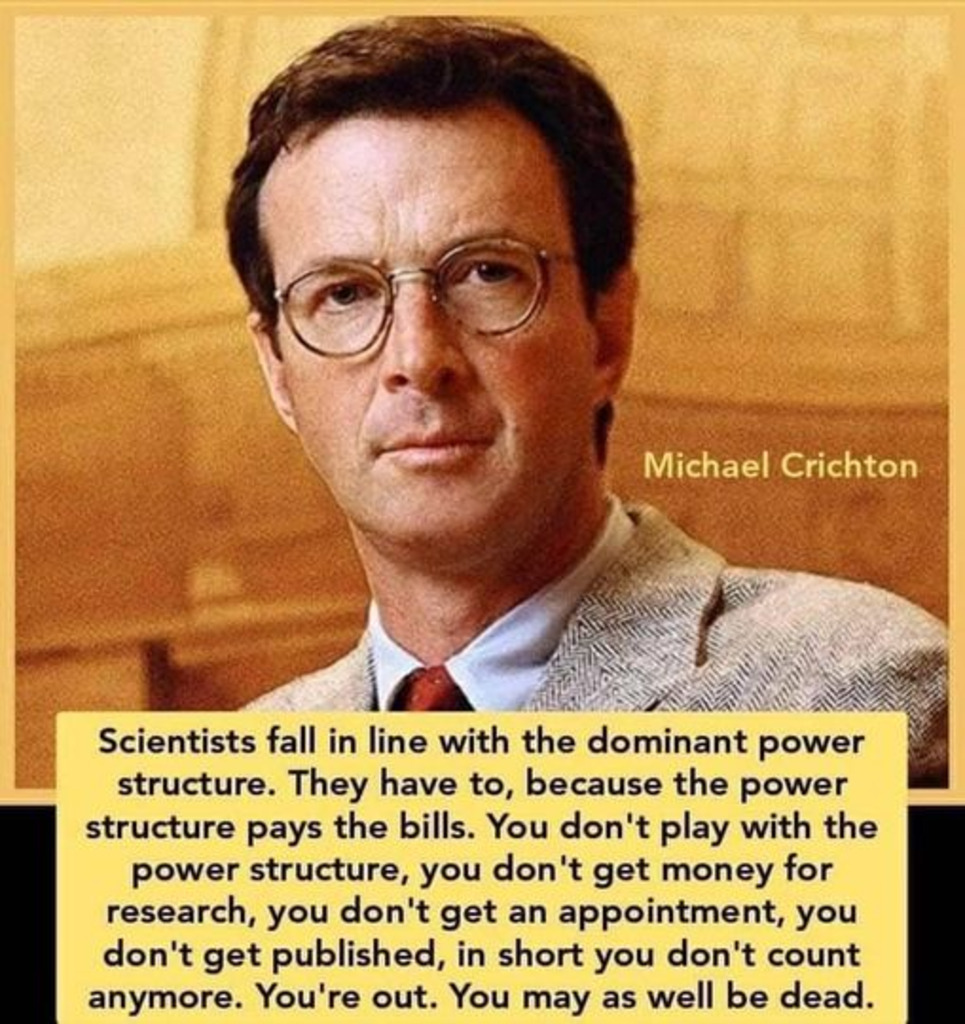
Evidence-based medicine might sound like a tautology — what kind of medicine isn’t based on evidence? I’m afraid that you’d be surprised. Massive decisions are often taken on misleading, low-quality evidence. We see this all the time. In the last pandemic, the swine flu outbreak of 2009, I did some work asking why the government spent £500 million on Tamiflu: then hailed as a wonder drug. In fact, it proved to have a very limited effect. The debate then had many of the same cast of characters as today: Jonathan Van-Tam, Neil Ferguson and others. The big difference this time is the influence of social media, whose viciousness is something to behold. It’s easy to see why academics would self-censor and stay away from the debate, especially if it means challenging a consensus. Academics who are tenured, like me, don’t have to worry so much about people pulling strings above us. This is the importance of tenure; it allows academic freedom. In a crisis, when tempers run so high, you need a variety of views more than ever.
 Hellbound and Down
You must be logged in to post a comment.