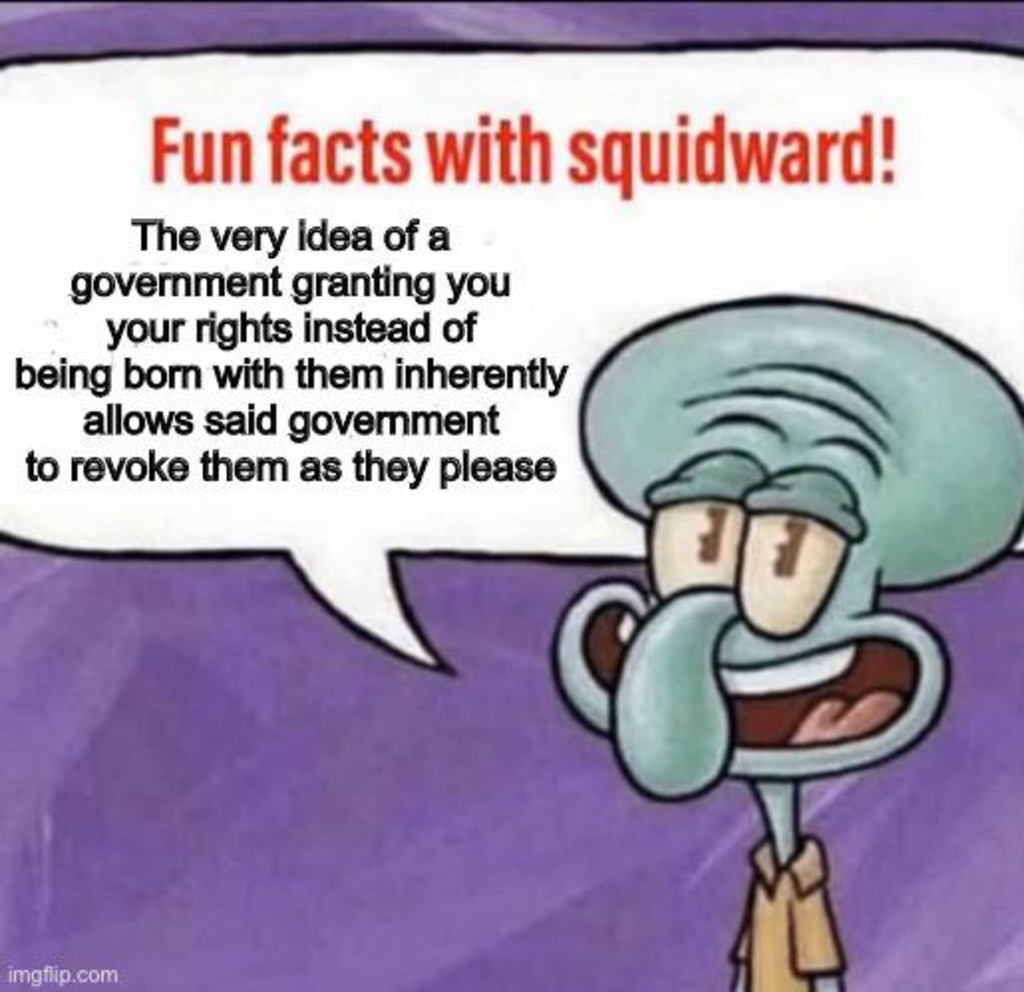
Natural rights fun fact!


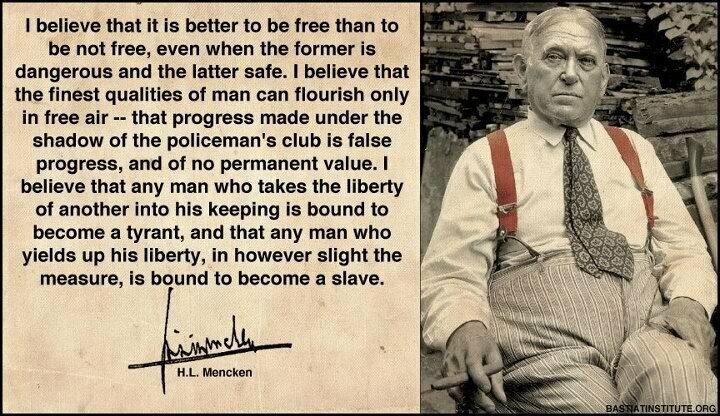
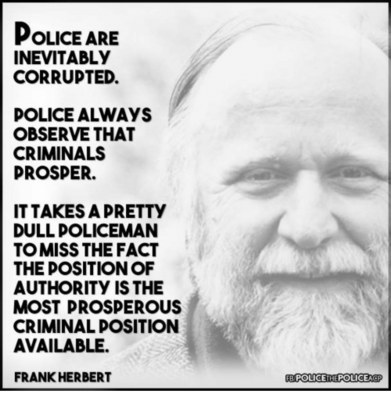


In the early hours of March 12, FBI agents in southwestern Florida barricaded a neighborhood to prepare to raid the home of one resident. Christopher Worrell of Cape Coral was arrested and charged with several counts related to the January 6 Capitol melee. Even though Worrell had been cooperating with the FBI for two months, the agency nonetheless unleashed a massive, and no doubt costly, display of force to take him into custody.
Law enforcement agents, according to one neighbor who spoke with a reporter, wore “whole outfits . . . like military and it was crazy. There was like six or seven . . . big black vehicles. They busted down the front door.” The raid included “armed men with helmets and a tanker truck” and was partially executed by the FBI’s Joint Terrorism Task Force.
Worrell never entered the Capitol building on January 6; he isn’t accused of committing a violent crime. But a D.C. judge overturned a Florida judge’s ruling to release Worrell pending further review of his case. He remains in jail.
Tinhorn Flats refused to abide by a temporary restraining order issued March 8 that required the restaurant to remain closed because the restaurant violated COVID-19 restrictions, KTTV-TV reported.
But the restaurant continued operations in defiance of the order.
In response, a Los Angeles Superior Court said Friday that Burbank officials could disconnect power at the restaurant.
In a statement issued by the city, officials hinted they may seek to lock the doors of the restaurant if the owners continue to operate their small business.
The statement said:
This morning due to Barfly Inc., Tin Horn Flats, continuing to remain open in defiance of the Temporary Restraining Order issued on March 8, 2021, the Los Angeles Superior Court authorized the City of Burbank to disconnect the electricity to Tin Horn Flats’ property after giving 24-hours’ notice. The court did not provide permission to padlock the doors at this time but continues to reserve such a remedy as a last resort.
Despite having no power, the restaurant has continued operations undeterred.
“The owner says they will continue to stay open and are currently using a generator as a power source,” KTTV reported.
Indeed, the restaurant said in a Facebook post on Sunday, “We are open and we will NOT comply.”
The warrant was issued by a judge for the arrest of a father after calling his biological female child his “daughter,” and referring to her with the pronouns “she” and “her.” Hoogland was found to be in contempt of court.
Hoogland is a father to a gender non-conforming biological female 14-year-old who identifies as transgender and prefers the use of male pronouns. Hoogland has repeatedly called this person his daughter, though the court has forbade it.
On Tuesday at 10 am Vancouver time, Hoogland surrendered himself to the court in response to the Attorney General of British Columbia’s warrant his arrest for contempt. He was the arrested and jailed. The warrant was issued by Judge Tammen on March 4, 2021.ADVERTISEMENT
Hoogland opposes his child’s undergoing “gender affirmative” medical procedures, and has stated this opposition again and again, in the hope of saving his child from irreversible harm. The Canadian medical system, the legal system, and the child’s mother press ahead with social and medical transition of the child.
On December 14, 2020, Hoogland was compelled by Justice Mazari’s court to collude in the gender “transitioning” of his fourteen year old daughter and told not to call his biological female child his daughter. In response, Hoogland made a Charter challenge engaging his right to freedom of speech.
When he appeared in family court, the judge forced him to sit in the prisoners’ dock, said Hoogland’s lawyer Carey Lind said, even though he was guilty of no crime. The judge referred to him as “the accused.” Lind made an application for the judge to recuse himself on the basis that all of this was prejudicial.


You must be logged in to post a comment.