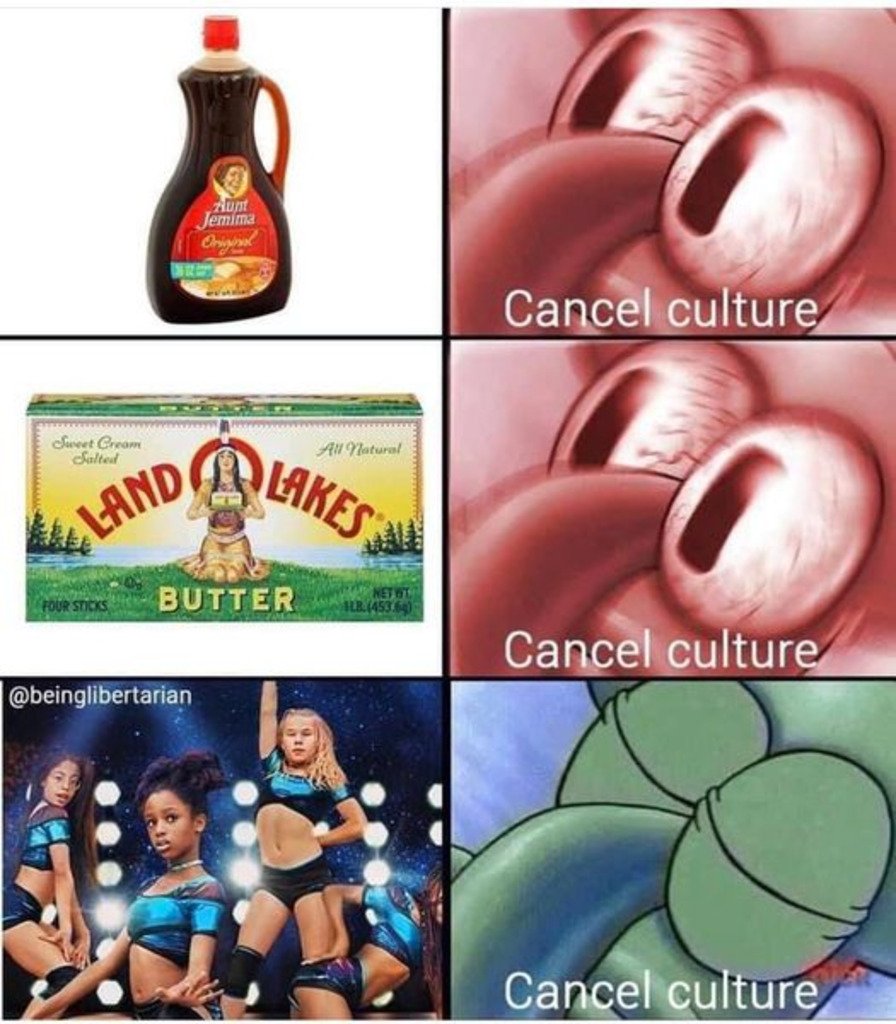
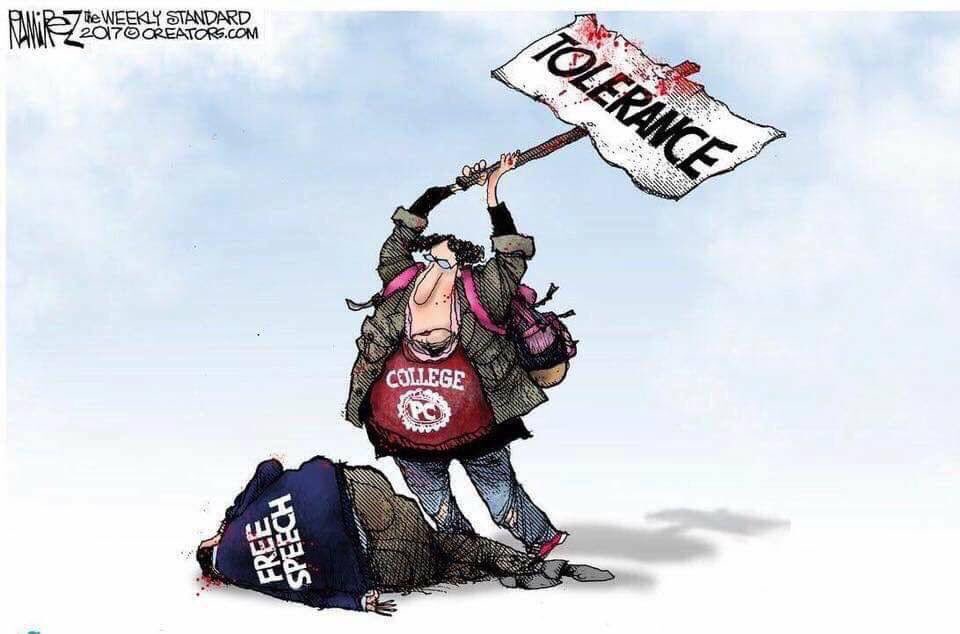
On cancel culture…


Greg Patton is a professor of clinical business communication at the University of Southern California. During a recent virtual classroom session, he was discussing public speaking patterns and the filler words that people use to space out their ideas: um, er, etc. Patton mentioned that the Chinese often use a word that is pronounced like nega.
“In China the common word is ‘that, that that that,’ so in China it might be ‘nega, nega, nega, nega,'” Patton explained to his class. “So there’s different words you’ll hear in different cultures, but they’re vocal disfluencies.”
But because the Chinese word nega sounds like nigger, some students were offended and reported the matter to the administration. Patton is now suspended, according to Campus Reform:
On Tuesday evening, the USC Marshall School of Business provided Campus Reform with a statement, confirming that Patton is no longer teaching his course.
“Recently, a USC faculty member during class used a Chinese word that sounds similar to a racial slur in English. We acknowledge the historical, cultural and harmful impact of racist language,” the statement read.
Patton “agreed to take a short term pause while we are reviewing to better understand the situation and to take any appropriate next steps.”
Another instructor is temporarily teaching the class.
USC is now “offering supportive measures to any student, faculty, or staff member who requests assistance.” The school is “committed to building a culture of respect and dignity where all members of our community can feel safe, supported, and can thrive.”
This is ridiculous. It seems clear that Patton did not mean to harm anyone, and that the point he was making was perfectly valid. The resemblance between these two words is purely coincidental, and adults should be perfectly capable of hearing the Chinese version without fainting in front of their computer screens. Anyone who is this prepared to be bothered all the time needs to turn down their outrage dial.
“I’ll say this ten thousand times, but if anyone thinks they’re helping the cause of racial equality by engaging in absurd, over-the-top speech policing of innocent people, then they’re sadly mistaken,” wrote The Dispatch‘s David French.
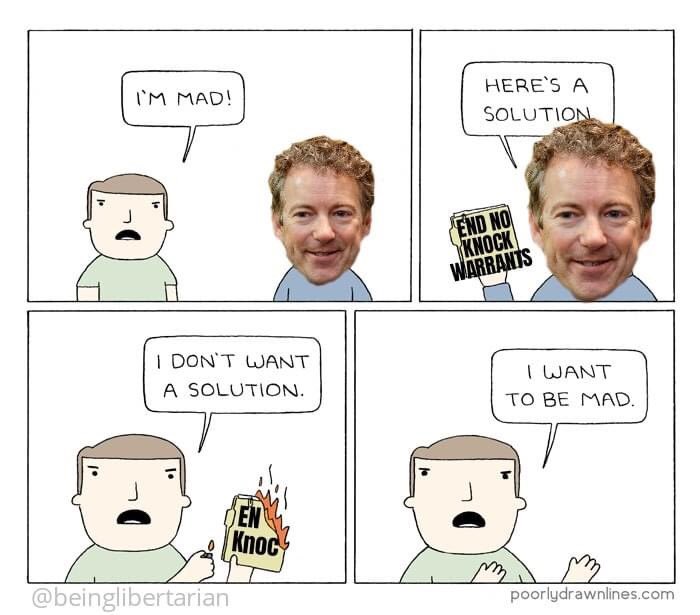

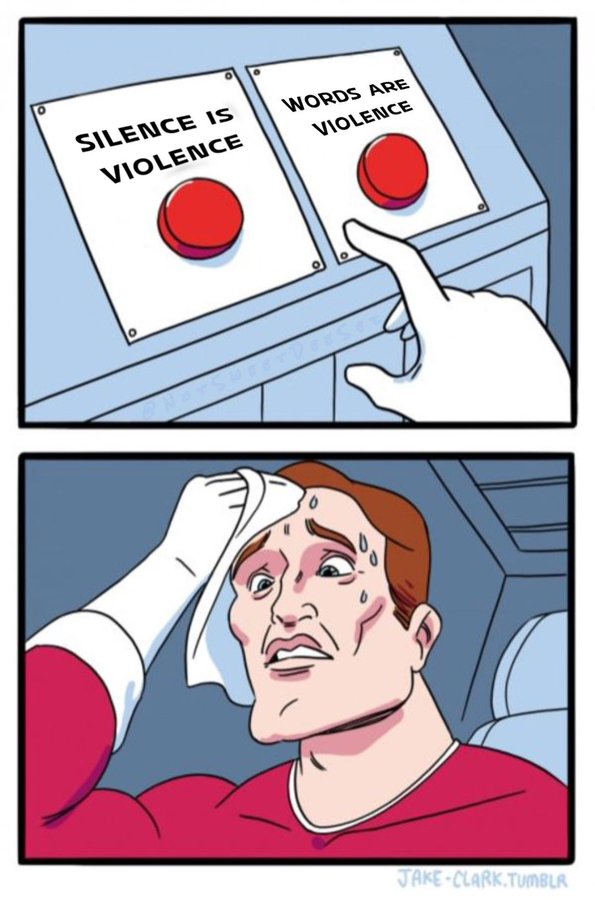
Earlier this year, the highly regarded Australian rocker and “Goth heartthrob” Nick Cave criticized “perpetually pissed-off…pearl-clutchers” who demand that old songs, novels, and other works of creative expression be censored or changed when they offend contemporary sensibilities. Writing in his monthly newsletter The Red Hand Files, he averred
I would rather be remembered for writing something that was discomforting or offensive, than to be forgotten for writing something bloodless and bland.
In the most recent edition of The Red Hand Files, Cave again takes aims against “cancel culture,” especially what he sees as its “refusal to engage with uncomfortable ideas” and “asphyxiating effect on the creative soul of a society.” Cancel culture, he writes, “is mercy’s antithesis,” an impulse that combines the worst aspects of religious fervor and ideological certitude.
Political correctness has grown to become the unhappiest religion in the world. Its once honourable attempt to reimagine our society in a more equitable way now embodies all the worst aspects that religion has to offer (and none of the beauty) — moral certainty and self-righteousness shorn even of the capacity for redemption. It has become quite literally, bad religion run amuck.
Cancel culture’s refusal to engage with uncomfortable ideas has an asphyxiating effect on the creative soul of a society. Compassion is the primary experience — the heart event — out of which emerges the genius and generosity of the imagination. Creativity is an act of love that can knock up against our most foundational beliefs, and in doing so brings forth fresh ways of seeing the world. This is both the function and glory of art and ideas. A force that finds its meaning in the cancellation of these difficult ideas hampers the creative spirit of a society and strikes at the complex and diverse nature of its culture.
Cancel culture now poses a real threat to intellectual freedom in the United States. According to a recent poll by the Cato Institute, a third of Americans say that they are personally worried about losing their jobs or missing out on career opportunities if they express their real political opinions. Americans in all walks of life have been publicly shamed, pressured into ritualistic apologies or summarily fired.
But critics of the critics of cancel culture make a powerful retort. Accusing others of canceling can, they claim, be a way to stigmatize legitimate criticism. As Hannah Giorgis writes in the Atlantic, “critical tweets are not censorship.”
So what, exactly, does a cancellation consist of? And how does it differ from the exercise of free speech and robust critical debate?
At a conceptual level, the difference is clear. Criticism marshals evidence and arguments in a rational effort to persuade. Canceling, by contrast, seeks to organize and manipulate the social or media environment in order to isolate, deplatform or intimidate ideological opponents. It is about shaping the information battlefield, not seeking truth; and its intent—or at least its predictable outcome—is to coerce conformity and reduce the scope for forms of criticism that are not sanctioned by the prevailing consensus of some local majority.
In practice, however, telling canceling apart from criticism can be difficult because both take the form of criticizing others. That is why it is probably impossible to devise a simple bright-line test of what should count as a harmful instance of cancelation.
A better approach might therefore be diagnostic. Like the symptoms of cancer, the hallmarks of a cancellation are many. Though not all instances involve every single characteristic, they all involve some of its key attributes. Rather than issuing a single litmus test, the diagnostic approach allows us to draw up a checklist of warning signs. The more signs you see, the more certain you can be that you are looking at a cancel campaign.
Six warning signs make up my personal checklist for cancel culture.
 Hellbound and Down
You must be logged in to post a comment.