
Oh, really…


See our state-by-state breakdown of existing lockdown orders to help you figure out how much room you have to move. This data will be updated as new measures go into effect. If you notice measures not published on the map, please email datagraphics@nbcuni.com with more information.
The Center for Disease Control and Prevention (CDC) revealed Wednesday that young adults aged 25-44 years saw the largest increase in “excess” deaths from previous years, a stunning 26.5% jump.
The notable increase even surpassed the jump in excess deaths of older Americans, who are at much higher risk of COVID-19 fatality.
Moreover, according to the CDC, 100,947 excess deaths were not linked to COVID-19 at all.
Since such young people are at very low risk for COVID-19 fatality—20-49-year-olds have a 99.98% chance of surviving the virus, per CDC data—it has been suggested that the shocking increase in deaths is largely attributable to deaths of “despair,” or deaths linked to our “cure” for the disease: lockdown measures.
Former Food and Drug Administration (FDA) Commissioner Scott Gottlieb, one of the most vocal and earliest proponents of lockdown measures, admitted this much during a Wednesday news appearance.
“I would suspect that a good portion of the deaths in that younger cohort were deaths due to despair, due to other reasons,” admitted Gottlieb (see video below). “We’ve seen a spike in overdoses, and I would suspect that a good portion of those excess deaths in that younger cohort were from drug overdoses and other deaths that were triggered by some of the implications of we’ve gone through to try to deal with COVID-19.”
The UK government has warned horny citizens that getting down with someone who lives outside their household will violate strict new lockdown measures which have reanimated an unpopular policy from earlier this summer.
British couples who don’t live together have once again been banned from bonking by London’s coronavirus restrictions, which – as of Friday – forbid individuals living in “high risk” Tiers Two and Three regions from staying overnight at the house of someone outside their “bubble.” Unlike similar regulations rolled out over the summer, even individuals in an “established relationship” are strongly discouraged from getting it on.
The new rules prohibit mixing of households indoors unless the individuals involved are members of a support or childcare “bubble.” Traveling to the next town to have a sleepover with your significant other of several years is right out, as is taking home that hot little number you met at the bar (which closed, as Covid-19 diktat requires, at 10pm) – at least, for all who live under Tiers Two and Three, designated “high” and “very high” risk areas for Covid-19 transmission.
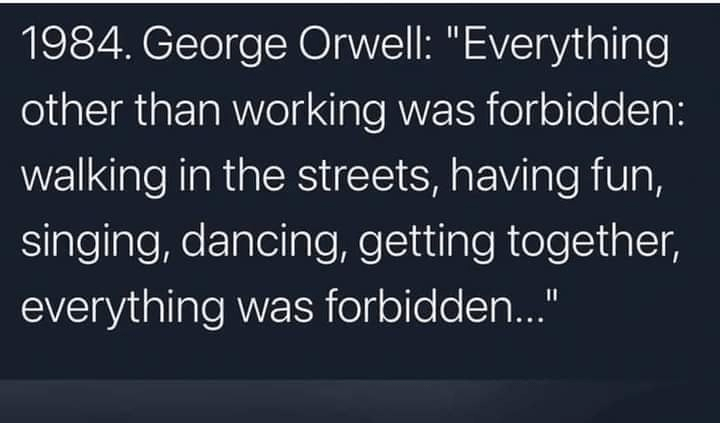
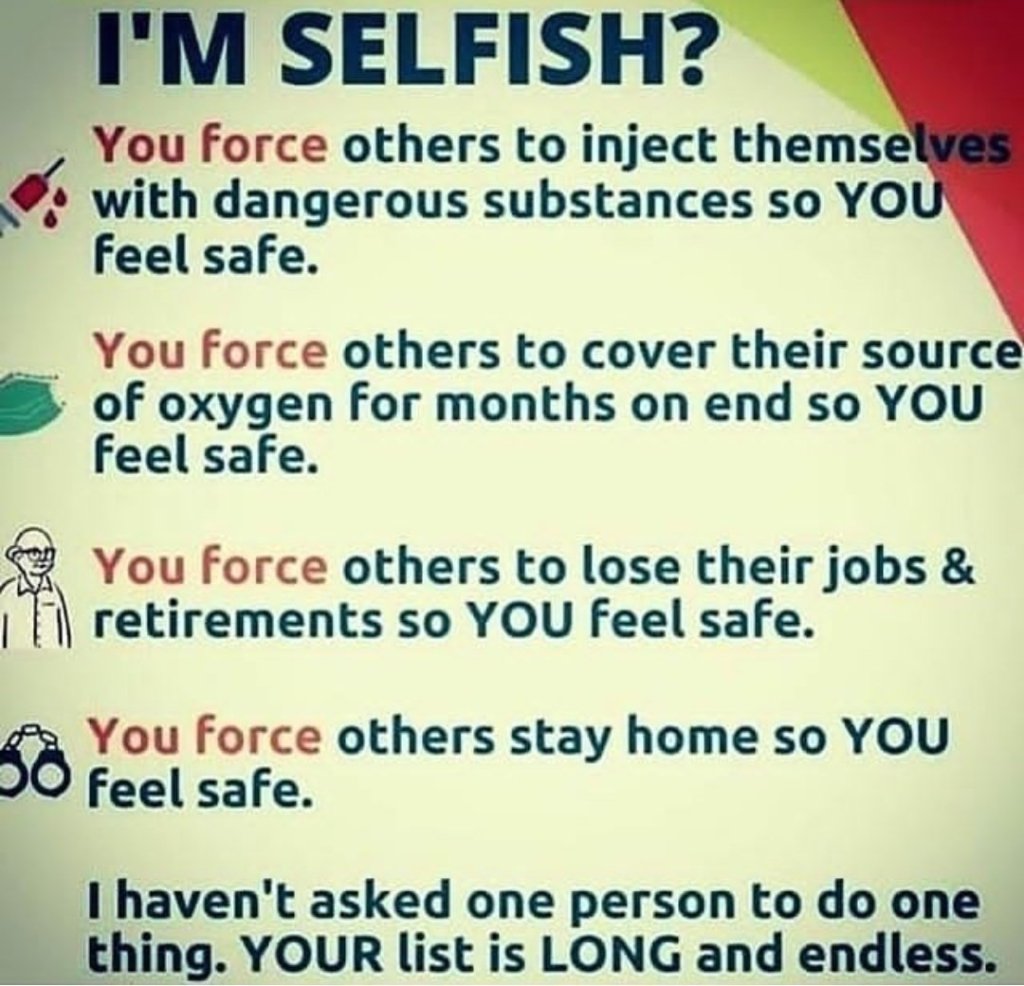
“We’ve got to follow the science,” we’re repeatedly told during the COVID-19 pandemic, usually by people arguing for the strict measures included in the broad category of “lockdowns.” But what happens when scientists disagree with one another and don’t adhere to one true faith in their recommendations for battling viral infection?
While there has been disagreement among scientists since COVID-19 appeared on the scene, opponents of the most restrictive measures have largely been sidelined. But now, insisting that “science” speaks with one voice is much harder, with a World Health Organization (WHO) official and the Great Barrington Declaration objecting to the pain inflicted by lockdowns and calling for less-draconian public health policies.
“We in the World Health Organization do not advocate lockdowns as the primary means of control of this virus,” David Nabarro, WHO special envoy for Covid-19, told Britain’s Spectator magazine last week. “The only time we believe a lockdown is justified is to buy you time to reorganize, regroup, rebalance your resources, protect your health workers who are exhausted, but by and large, we’d rather not do it.”
He pointed to the devastating worldwide elevation in rates of poverty and hunger as a result of restrictions imposed to fight the pandemic, saying that “lockdowns just have one consequence that we must never, ever belittle, and that is making poor people an awful lot poorer.”
New social distancing guidelines released by the state of California are prohibiting gatherings that include more than three households at any time.
Under the Oct. 9 document from California Department of Public Health entitled “Mandatory Requirements for All Gatherings”, all private gatherings must limit the number of attendees and are required to be held outside.
Attendees may go inside to use restrooms as long as the restrooms are frequently sanitized, according to the document.
Also, officials are urging the host of any gathering to “collect names of all attendees and contact information in case contact tracing is needed later.”
Multiple gatherings of three households are not allowed to occur in the same public park or other outdoor space at the same time, officials say.
The document also states that seating at such gatherings must be at least 6 feet of distance in all directions between different households.
Barring any “applicable” exemptions, the state guidelines also mandate face coverings to be worn at all times except when eating or drinking “as long as they stay at least 6 feet away from everyone outside their own household, and put their face covering back on as soon as they are done with the activity.”
Gatherings should also be limited to two hours or less, according to officials.
The document also states that singing, chanting and shouting at outdoor gatherings are “strongly discouraged” due to a higher risk of COVID-19 transmission. Officials say anyone singing or chanting should wear a face covering at all times and maintain physical distancing beyond 6 feet to further reduce risk.
Officials also highlighted the volume of such activities, saying “singing or chanting are strongly encouraged to do so quietly (at or below the volume of a normal speaking voice)”.
While instrumental music is allowed, the document says, musicians must maintain physical distancing and are “strongly discouraged” from playing wind instruments such as a trumpet or clarinet.
What’s strange is that a mental-health lobby that has spent years redefining mental illness to include more and more people, and spent years discussing the potential social causes of this supposed ‘crisis’, is strangely hesitant to criticise lockdown. This is despite the fact that lockdown forces us into circumstances pretty much guaranteed to increase anxiety, depression and debilitating mental illnesses
A major survey by Mind, the mental-health charity, has found that two thirds of adults and three quarters of young people with existing mental-health problems have experienced worsening mental health over the course of the pandemic. In addition, more than one in five adults with no previous experience of such problems described their mental health as poor or very poor. One in four of those who tried to access support was unable to get it from the NHS.


You must be logged in to post a comment.