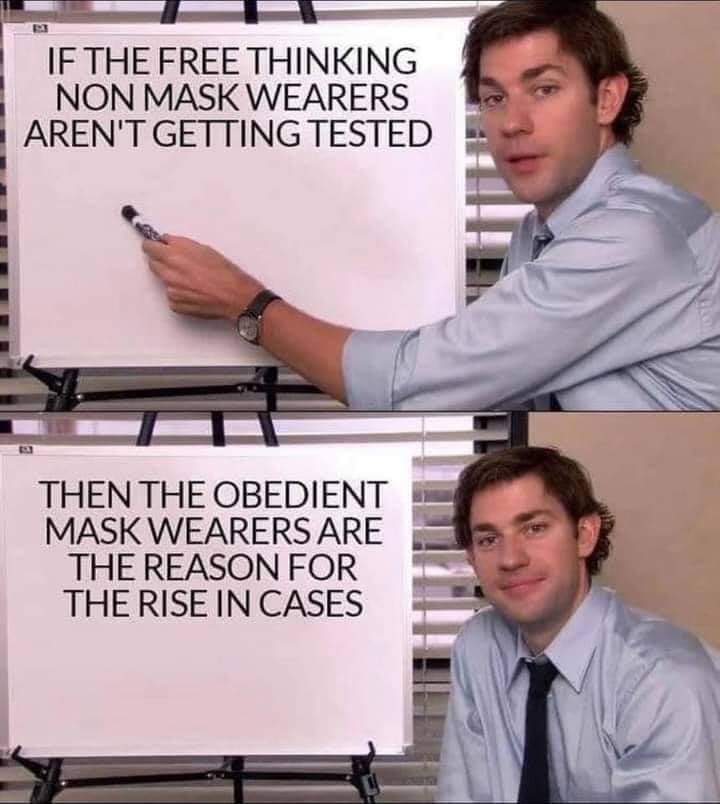
I know it hurts, but think about it for a second…


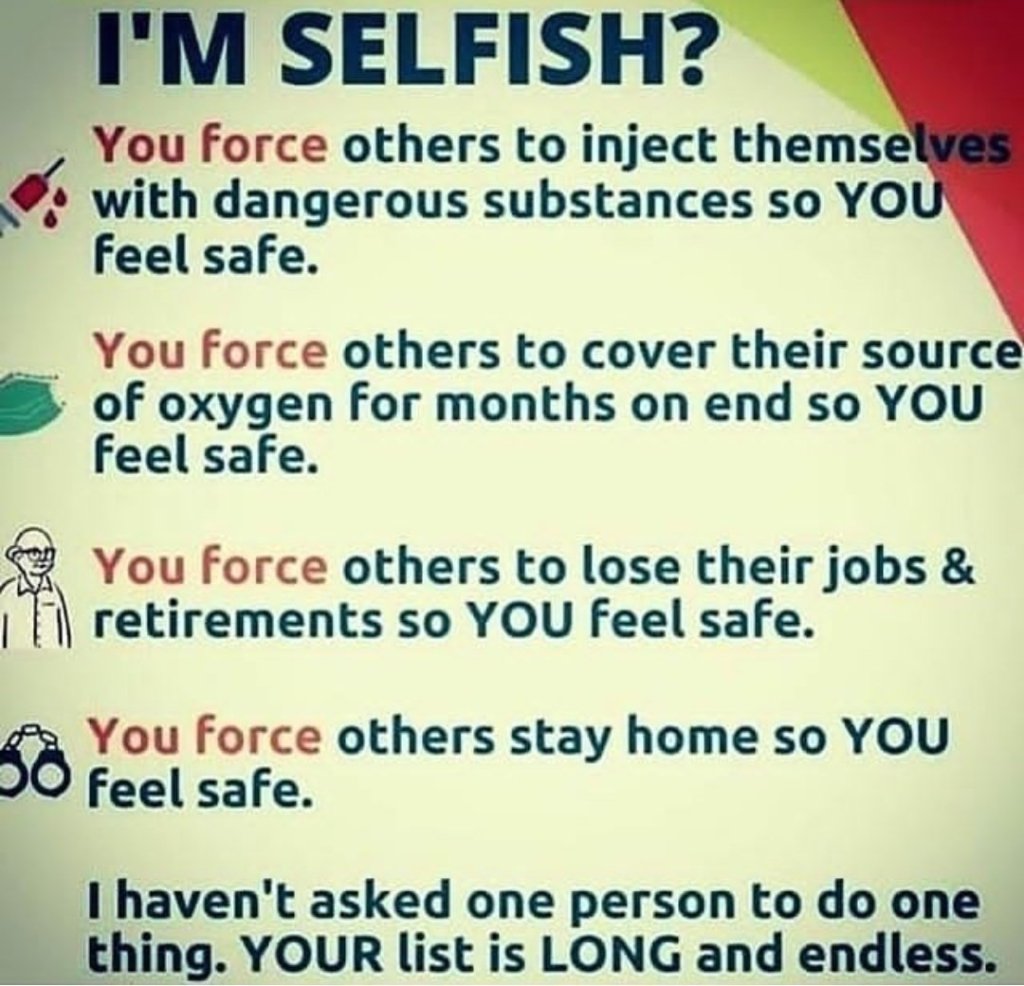
Another speedbump has emerged in the drive to produce reliable COVID-19 therapeutics as a highly anticipated WHO drug trial called Solidarity found that Gilead’s COVID-19 treatment, remdesivir, had no substantial effect on a COVID-19 patient’s chances of survival. It also found that three other therapeutics were similarly ineffective.
The FT called the data a “significant blow” to efforts to find a drug that could help save late-stage COVID-19 patients. What’s more, none of the drugs “substantially affected mortality” or reduce the need to ventilate patients.
Other drugs examined in the trial included hydroxychloroquine, lopnavir and interferon regimes. All of them had “little effect” on hospitalized patients.
New York’s hospitals “were never overwhelmed” at the peak of the COVID-19 pandemic, Gov. Andrew Cuomo claimed Wednesday, continuing his apparent rewrite of history in defense of a state Health Department mandate that barred nursing homes from turning away sickly seniors.
Cuomo made the claim during an interview on CNN promoting his new memoir “American Crisis,” which touches in large part on New York’s pandemic response.
“Hospitals were never overwhelmed,” the governor told host Alisyn Camerota. “We always had excess capacity in hospitals, we always had excess capacity in emergency hospitals that we built. So we were never in a situation where we had to have a nursing home accept a COVID-positive person.”
But in the five boroughs, hospital capacity was a daily source of worry at the pandemic’s height in the spring, with Cuomo telling facilities to prepare to cram in 50 percent more patients than normal and beseeching the federal government for additional beds, including a field hospital in the Javits Center.
While the Javits Center and the USNS Comfort hospital ship sent by the feds were largely underutilized, traditional hospitals were often short on beds and even shorter on ventilators and personal protective equipment.
As for nursing homes, the state Department of Health in March issued a mandate prohibiting the facilities from turning away patients on the basis of a positive coronavirus test, even as Cuomo publicly acknowledged that seniors are among the most susceptible to the disease.
Several homes reported interpreting the guidance as leaving them with no option but to accept sick patients.
“We’ve got to follow the science,” we’re repeatedly told during the COVID-19 pandemic, usually by people arguing for the strict measures included in the broad category of “lockdowns.” But what happens when scientists disagree with one another and don’t adhere to one true faith in their recommendations for battling viral infection?
While there has been disagreement among scientists since COVID-19 appeared on the scene, opponents of the most restrictive measures have largely been sidelined. But now, insisting that “science” speaks with one voice is much harder, with a World Health Organization (WHO) official and the Great Barrington Declaration objecting to the pain inflicted by lockdowns and calling for less-draconian public health policies.
“We in the World Health Organization do not advocate lockdowns as the primary means of control of this virus,” David Nabarro, WHO special envoy for Covid-19, told Britain’s Spectator magazine last week. “The only time we believe a lockdown is justified is to buy you time to reorganize, regroup, rebalance your resources, protect your health workers who are exhausted, but by and large, we’d rather not do it.”
He pointed to the devastating worldwide elevation in rates of poverty and hunger as a result of restrictions imposed to fight the pandemic, saying that “lockdowns just have one consequence that we must never, ever belittle, and that is making poor people an awful lot poorer.”

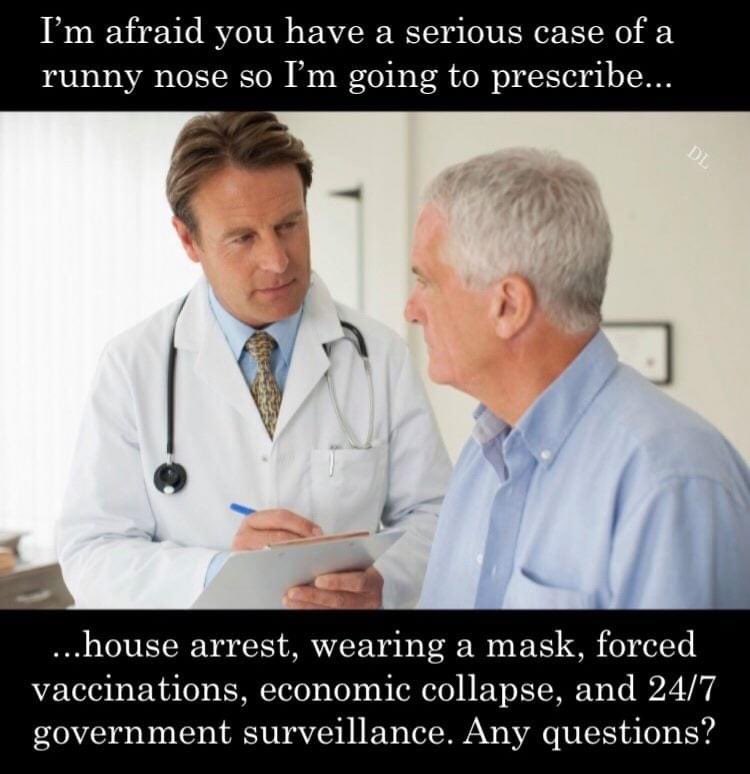
When President Trump unveiled Operation Warp Speed in May, he declared that it was “unlike anything our country has seen since the Manhattan Project.”
The initiative — to accelerate the development of Covid-19 vaccines and therapeutics — lacks the scale, and the degree of secrecy, of the effort to build the atomic bomb. But Operation Warp Speed is largely an abstraction in Washington, with little known about who works there other than its top leaders, or how it operates. Even pharmaceutical companies hoping to offer help or partnerships have labored to figure out who to contact.
Now, an organizational chart of the $10 billion initiative, obtained by STAT, reveals the fullest picture yet of Operation Warp Speed: a highly structured organization in which military personnel vastly outnumber civilian scientists.
New social distancing guidelines released by the state of California are prohibiting gatherings that include more than three households at any time.
Under the Oct. 9 document from California Department of Public Health entitled “Mandatory Requirements for All Gatherings”, all private gatherings must limit the number of attendees and are required to be held outside.
Attendees may go inside to use restrooms as long as the restrooms are frequently sanitized, according to the document.
Also, officials are urging the host of any gathering to “collect names of all attendees and contact information in case contact tracing is needed later.”
Multiple gatherings of three households are not allowed to occur in the same public park or other outdoor space at the same time, officials say.
The document also states that seating at such gatherings must be at least 6 feet of distance in all directions between different households.
Barring any “applicable” exemptions, the state guidelines also mandate face coverings to be worn at all times except when eating or drinking “as long as they stay at least 6 feet away from everyone outside their own household, and put their face covering back on as soon as they are done with the activity.”
Gatherings should also be limited to two hours or less, according to officials.
The document also states that singing, chanting and shouting at outdoor gatherings are “strongly discouraged” due to a higher risk of COVID-19 transmission. Officials say anyone singing or chanting should wear a face covering at all times and maintain physical distancing beyond 6 feet to further reduce risk.
Officials also highlighted the volume of such activities, saying “singing or chanting are strongly encouraged to do so quietly (at or below the volume of a normal speaking voice)”.
While instrumental music is allowed, the document says, musicians must maintain physical distancing and are “strongly discouraged” from playing wind instruments such as a trumpet or clarinet.


You must be logged in to post a comment.