New York State Assembly Perry wants detention centers for sick

The sweeping powers would be employed in the event of the state government declaring a health emergency due to an epidemic of any communicable disease, the bill proposes. The legislation states that the government must provide “clear and convincing evidence” that the health of others is in danger before ordering a person or group to be detained. People being “removed” will have the right to legal representation and are allowed to supply the telephone numbers of friends or family to receive notification of the individual’s detention.

The law apparently allows the governor or health official to unilaterally approve such detentions but a court order is required within 60 days of confinement, and judicial review is also required if the individual is still in detention after 90 days.

Citizens that are placed in detention will be released once health authorities determine that they are no longer contagious, the proposed law states.

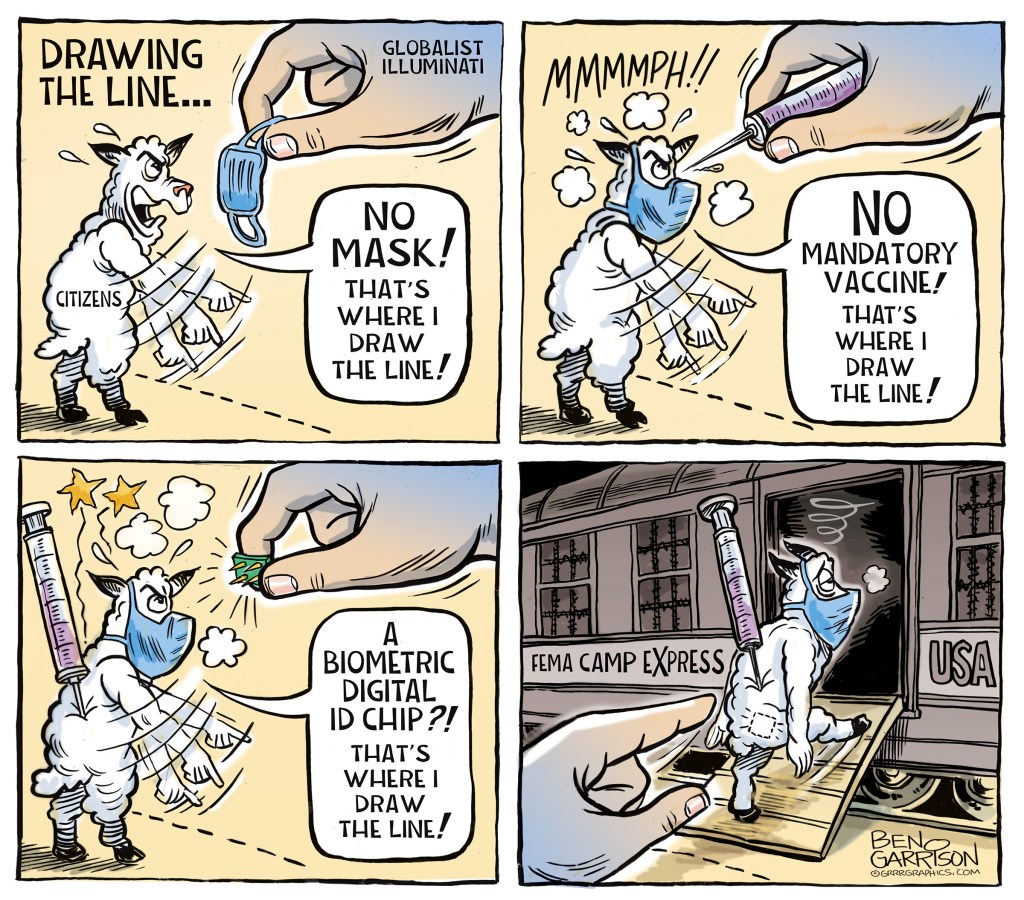
The bill also allows the governor or relevant health authorities to require people deemed potential health risks to submit to medical examinations as well as undergo a “prescribed course of treatment, preventative medication or vaccination.”

Keep reading

Interim Operational Considerations for Implementing the Shielding Approach to Prevent COVID-19 Infections in Humanitarian Settings

This document presents considerations from the perspective of the U.S. Centers for Disease Control & Prevention (CDC) for implementing the shielding approach in humanitarian settings as outlined in guidance documents focused on camps, displaced populations and low-resource settings.1,2  This approach has never been documented and has raised questions and concerns among humanitarian partners who support response activities in these settings. The purpose of this document is to highlight potential implementation challenges of the shielding approach from CDC’s perspective and guide thinking around implementation in the absence of empirical data. Considerations are based on current evidence known about the transmission and severity of coronavirus disease 2019 (COVID-19) and may need to be revised as more information becomes available. Please check the CDC website periodically for updates.

Keep reading

New Zealand military to oversee quarantine facilities after new COVID-19 case

New Zealand on Wednesday said the defence force will now oversee the country’s quarantine facilities and strengthen border requirements, after a slip up allowed two people with coronavirus to move around the country.

New Zealand on Tuesday lost its COVID-free status when two women who had been given permission to leave quarantine early on compassionate grounds after arriving from Britain tested positive for the coronavirus.

Prime Minister Jacinda Ardern said she was appointing the Assistant Chief of Defence, Air Commodore Digby Webb, to oversee all quarantine and to manage isolation facilities, including the processes of exiting people from these facilities.

Ardern said Webb can seek access to military logistics, its operational expertise and, if needed, personnel, for running of the quarantine facilities.

Keep reading

Quebec City Says It Will Isolate “Uncooperative” Citizens In Secret Corona Facility

During a press conference, Dr. Jacques Girard, who heads the Quebec City public health authority, drew attention to a case where patrons at a bar were ordered to wait until their COVID-19 tests came back, but disregarded the command and left the premises before the results came back positive.

This led to them being deemed “uncooperative” and forcibly interned in a quarantine facility.

“[W]e may isolate someone for 14 days,” Girard said during the press conference. “And it is what we did this morning…forced a person to cooperate with the investigation…and police cooperation was exceptional.”

Keep reading