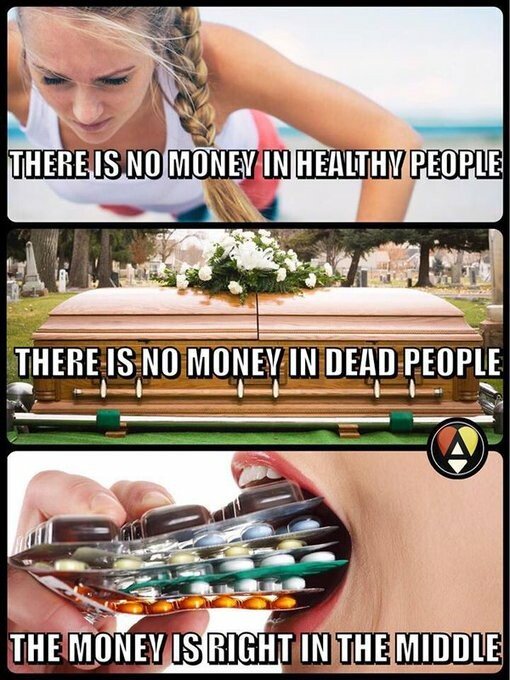
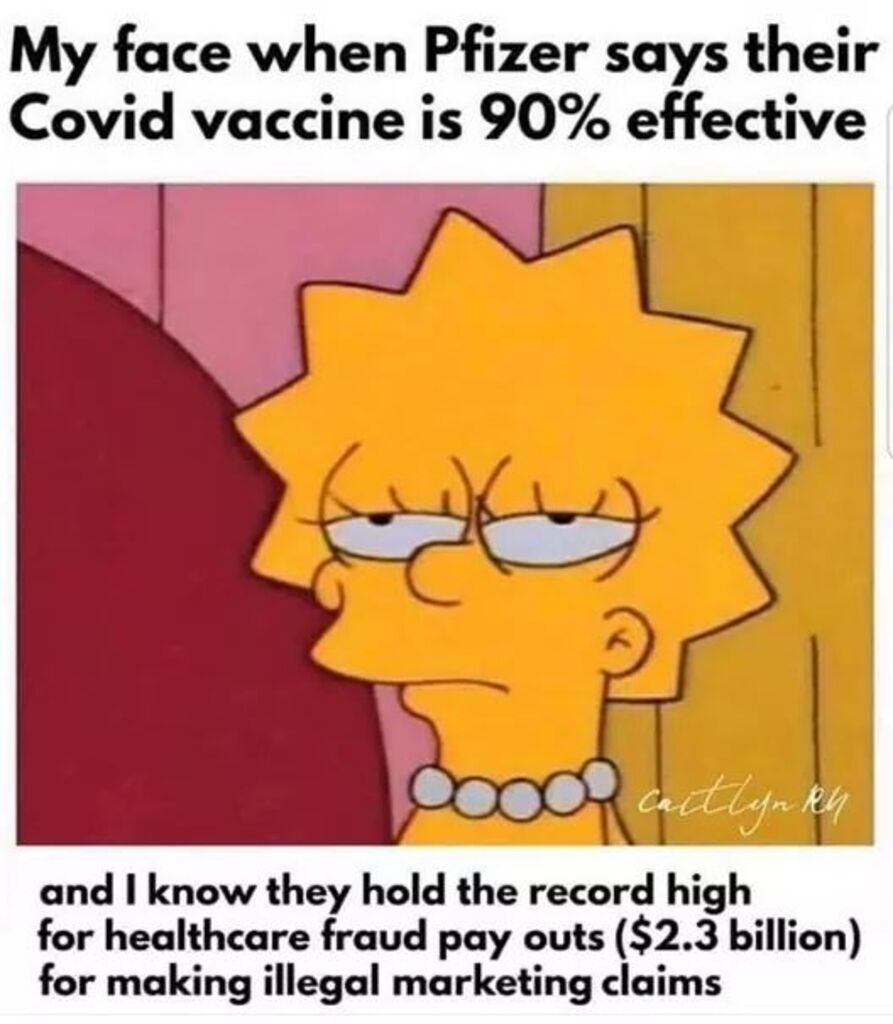
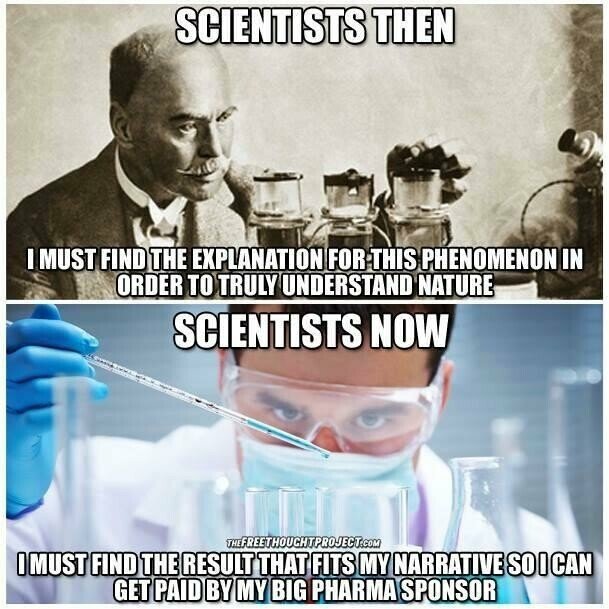
You can trust Big Pharma…


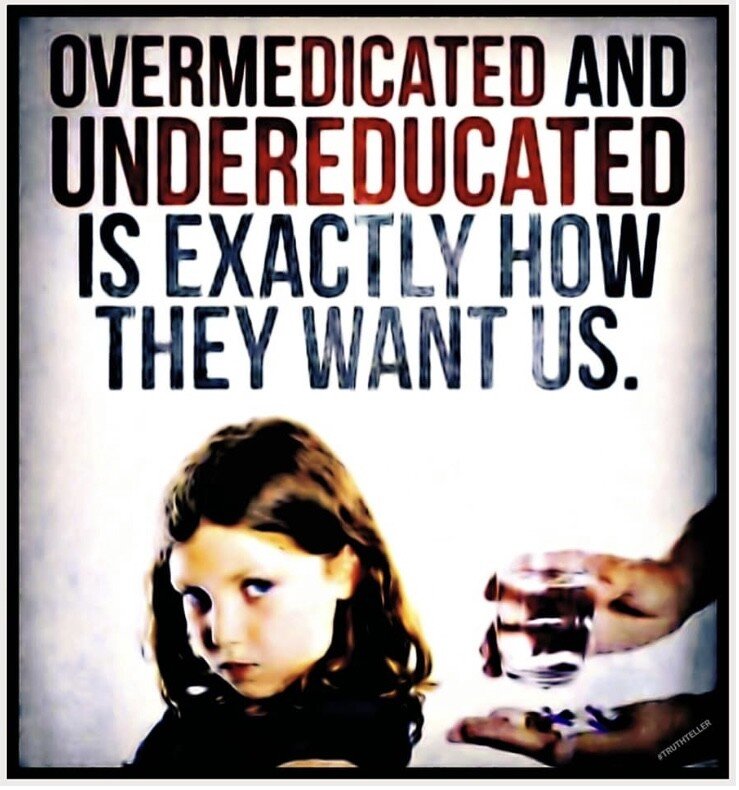
Sleeping pills may be disturbing river ecosystems by turning fish into greedy, risk-taking loners, say researchers.
Scientists studied the behaviour of perch exposed to a sedative which is carried into waterways through sewage.
The drug, a benzodiazepine used to treat anxiety and insomnia called oxazepam, made the fish bolder and less social.
Recently, a landmark study was conducted by Dr. James Lyons-Weiler and Dr. Paul Thomas. The study compared vaccinated children and unvaccinated children and was published in the International Journal of Environmental Research and Public Health on November 22, 2020 after being peer reviewed.
Dr. Weiler, a research scientist and co-author of the study, was recently interviewed by Activist Post Contributor Spiro Skouras. In the interview, Weiler breaks down the data from the study which indicates children who were vaccinated showed a higher rate of medical office visits and experienced an elevated rate of medical symptoms ranging from Asthma and behavioral issues, to ADHD and Anemia.
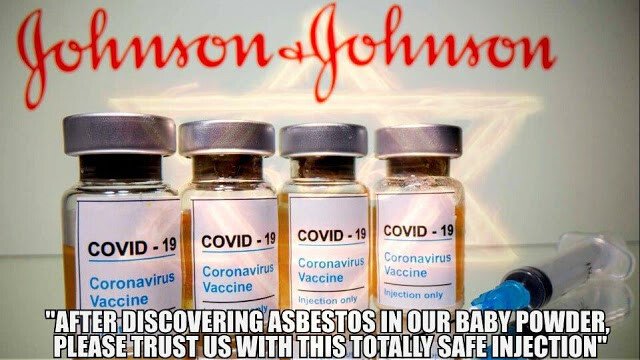
If you experience severe side effects after getting a Covid vaccine, lawyers tell CNBC there is basically no one to blame in a U.S. court of law.
The federal government has granted companies like Pfizer and Moderna immunity from liability if something unintentionally goes wrong with their vaccines.
“It is very rare for a blanket immunity law to be passed,” said Rogge Dunn, a Dallas labor and employment attorney. “Pharmaceutical companies typically aren’t offered much liability protection under the law.“
You also can’t sue the Food and Drug Administration for authorizing a vaccine for emergency use, nor can you hold your employer accountable if they mandate inoculation as a condition of employment.
Congress created a fund specifically to help cover lost wages and out-of-pocket medical expenses for people who have been irreparably harmed by a “covered countermeasure,” such as a vaccine. But it is difficult to use and rarely pays. Attorneys say it has compensated less than 6% of the claims filed in the last decade.

As the ‘Rona vaccine rolls out of deep freezers and toward a hospital near you, one man has bravely risked a 0.01% chance of death by courageously giving up his vaccine shot for you and grandma.
That man is Pfizer CEO Albert Bourla – just a charitable soul who has absolutely nothing to gain from being the first to get this vaccine to market.
When asked Monday if he had taken the vaccine, Bourla said no, explaining that there are bureaucratic rules to follow after all.
A health worker in Alaska had a serious allergic reaction after getting Pfizer Inc’s coronavirus vaccine, the New York Times reported on Wednesday, citing three people familiar with reports of the person’s health.The allergic reaction occurred on Tuesday and the person was in stable condition after being hospitalized, the New York Times reported.It was not clear if the person had a history of allergic reactions, the report said.
Goldman Sachs analysts attempted to address a touchy subject for biotech companies, especially those involved in the pioneering “gene therapy” treatment: cures could be bad for business in the long run.
“Is curing patients a sustainable business model?” analysts ask in an April 10 report entitled “The Genome Revolution.”
“The potential to deliver ‘one shot cures’ is one of the most attractive aspects of gene therapy, genetically-engineered cell therapy and gene editing. However, such treatments offer a very different outlook with regard to recurring revenue versus chronic therapies,” analyst Salveen Richter wrote in the note to clients Tuesday. “While this proposition carries tremendous value for patients and society, it could represent a challenge for genome medicine developers looking for sustained cash flow.”WATCH NOWVIDEO01:37Biotech shares soar on dealmaking, drug progress
Richter cited Gilead Sciences’ treatments for hepatitis C, which achieved cure rates of more than 90 percent. The company’s U.S. sales for these hepatitis C treatments peaked at $12.5 billion in 2015, but have been falling ever since. Goldman estimates the U.S. sales for these treatments will be less than $4 billion this year, according to a table in the report.
“GILD is a case in point, where the success of its hepatitis C franchise has gradually exhausted the available pool of treatable patients,” the analyst wrote. “In the case of infectious diseases such as hepatitis C, curing existing patients also decreases the number of carriers able to transmit the virus to new patients, thus the incident pool also declines … Where an incident pool remains stable (eg, in cancer) the potential for a cure poses less risk to the sustainability of a franchise.”
The analyst didn’t immediately respond to a request for comment.

You must be logged in to post a comment.