SCIENTISTS DISCOVER THE ANCIENT BIRTHPLACE OF MARIJUANA

For thousands of years, humans have lit up around the world, enjoying the high that comes from cannabis.

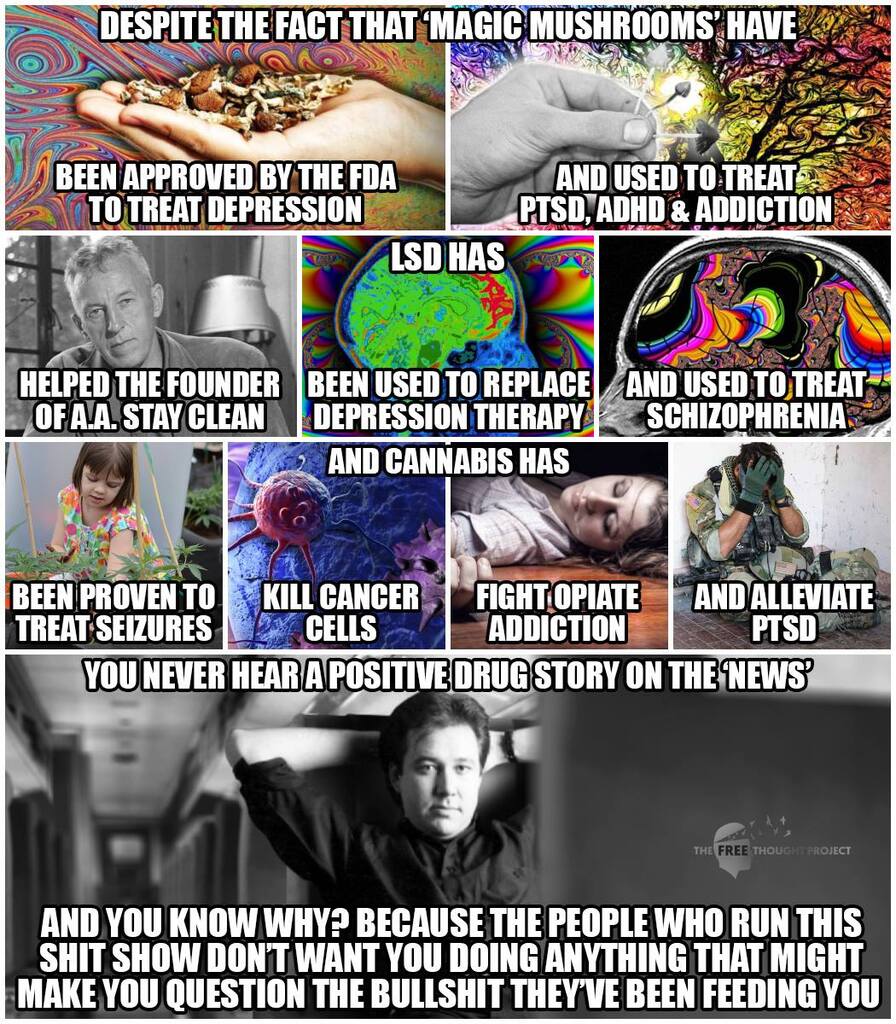
But the controversial politics surrounding the drug has made it difficult for scientists to figure out its genetic origins. Where did cannabis come from and how did it evolve into the potent green that brings us pleasure?

Scientists finally have an answer to that question — and the evolution of modern-day cannabis and how it diverged from its very close relative hemp is even wilder than you might think.

New research published Friday in the journal Science Advances used genetics to trace the ancient birthplace of Cannabis sativa, from which we harvest pot today.

The cultivation of marijuana has much longer roots than we previously understood, according to the study — including evidence that our cultivation of pot may have led to the extinction of pure, wild, ancient strains of cannabis.

Cannabis “is one of the first cultivated crop species,” Luca Fumagalli, a co-author on the study from the University of Lausanne’s Laboratory for Conservation Biology, tells Inverse.

Keep reading

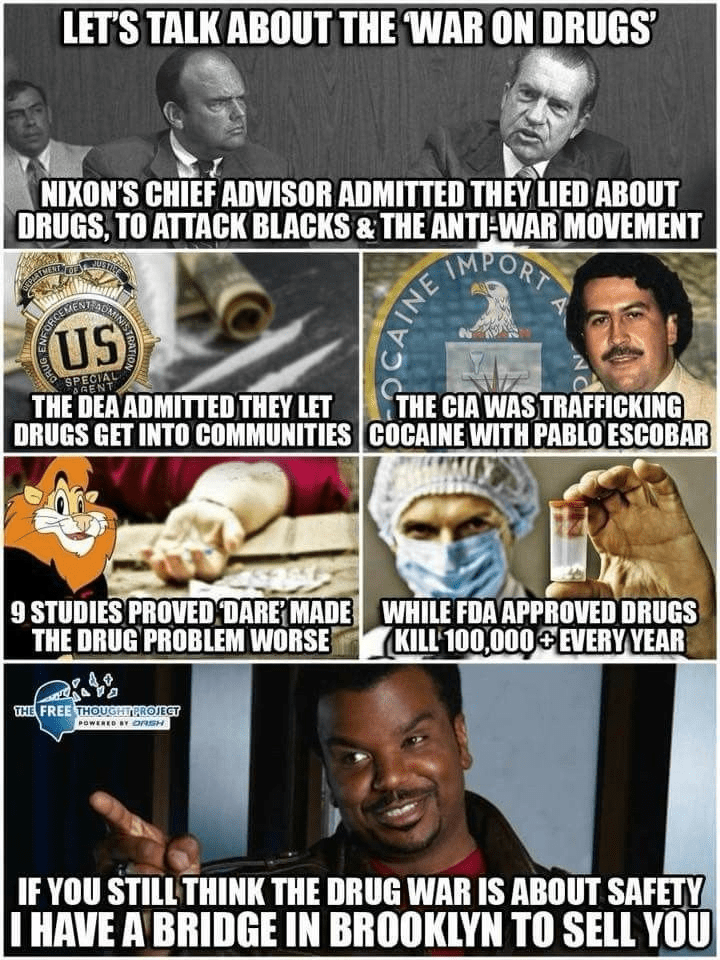
FDA Takes Only Months to Approve Pfizer Jab Yet Cannabis Remains Schedule 1 Despite Centuries of Data

Since Dec. 11, 2020, the Pfizer-BioNTech COVID-19 Vaccine has been available under the Food and Drug Administration’s Emergency Use Authorization in individuals 16 years of age and older, and the authorization was expanded to include those 12 through 15 years of age on May 10, 2021. On August 23, 2021, it was granted full approval by the FDA.

The Pfizer-BioNTech COVID-19 Vaccine now becomes the fastest created, deployed and subsequently approved vaccination in history. Previously, the fastest vaccine to go from development to deployment was the mumps vaccine in the 1960s, which took about four years.

The swift approval of the vaccine illustrates just how fast the government can react if it wants to do so. On the contrary, however, there have been hundreds if not thousands of studies on the benefits of cannabis to safely treat multiple ailments and diseases, spanning the course of centuries, yet the FDA has failed to approve its use for anything.

To be clear, the FDA has approved patentable pharmaceutical synthetic compounds such as dronabinol. The pharmaceutical patented drugs Marinol and Syndros both use dronabinol which is nothing more than a chemical synthetic equivalent to delta-9- tetrahydrocannabinol (THC) — but the plant-based version you can grow in your own home remains off the list.

Keep reading

One-Third Of New Drugs Had Safety Problems After FDA Approval

Seventy-one of the 222 drugs approved in the first decade of the millennium were withdrawn, required a “black box” warning on side effects or warranted a safety announcement about new risks, Dr. Joseph Ross, an associate professor of medicine at Yale School of Medicine, and colleagues reported in JAMA on Tuesday. The study included safety actions through Feb. 28.

“While the administration pushes for less regulation and faster approvals, those decisions have consequences,” Ross says. The Yale researchers’ previous studies concluded that the FDA approves drugs faster than its counterpart agency in Europe does and that the majority of pivotal trials in drug approvals involved fewer than 1,000 patients and lasted six months or less.

It took a median of 4.2 years after the drugs were approved for these safety concerns to come to light, the study found, and issues were more common among psychiatric drugs, biologic drugs, drugs that were granted “accelerated approval” and drugs that were approved near the regulatory deadline for approval.

Keep reading

Cops Thought They Were Transporting Cocaine for the Cartel, But it Was Actually the FBI

An 11th Circuit panel on Monday unanimously rejected two former Miami police officers’ challenge to their drug-trafficking convictions.

Former officers James Archibald and Kelvin Harris were caught as part of an undercover FBI sting operation designed to root out dirty cops in the Miami Police Department.

Despite proof that the officers actively participated in a fake drug-running conspiracy – even going so far as to activate their police lights to help an agent posing as a drug courier navigate heavy traffic – Archibald and Harris claimed that the evidence was insufficient to convict them.

The Atlanta-based appeals court was unpersuaded.

Writing on behalf of the panel Monday, Senior U.S. Circuit Judge Stanley Marcus found that the evidence against the men was “ample.”

Along with a third officer, Archibald and Harris participated in three separate operations to protect FBI agents who they believed were drug dealers delivering cocaine to Miami hotels. Harris received a $10,000 cash payment for his efforts and Archibald received $6,500.

Both men were charged with conspiring to possess with intent to distribute more than five kilograms of cocaine and attempted possession with intent to distribute cocaine. Harris was also convicted of possessing a firearm during the commission of a drug-trafficking crime.

After a 10-day trial in June 2019, Harris was sentenced to 27 ½ years in prison. Archibald was sentenced to 10 years.

Keep reading