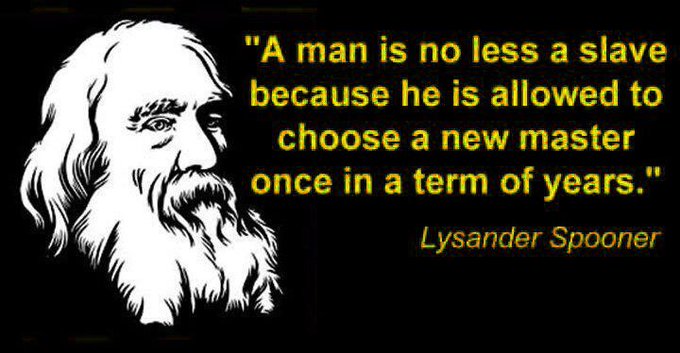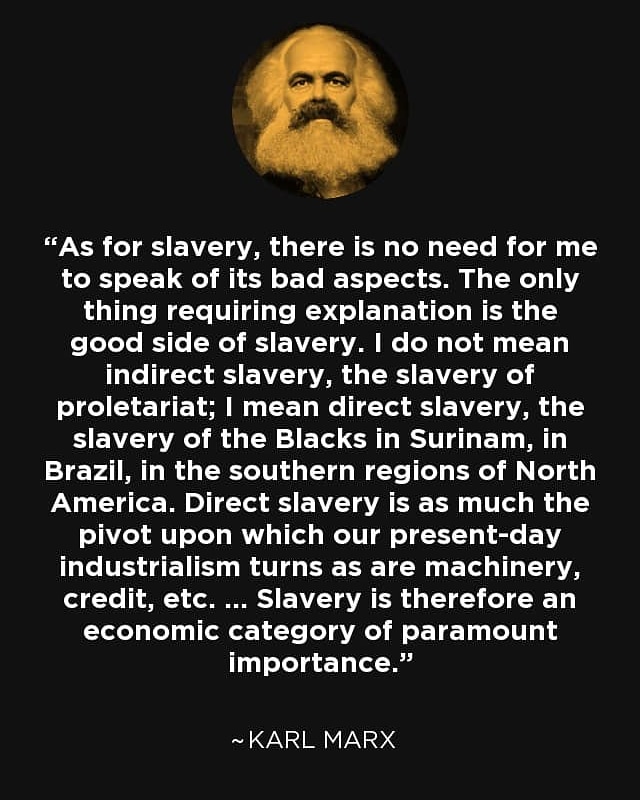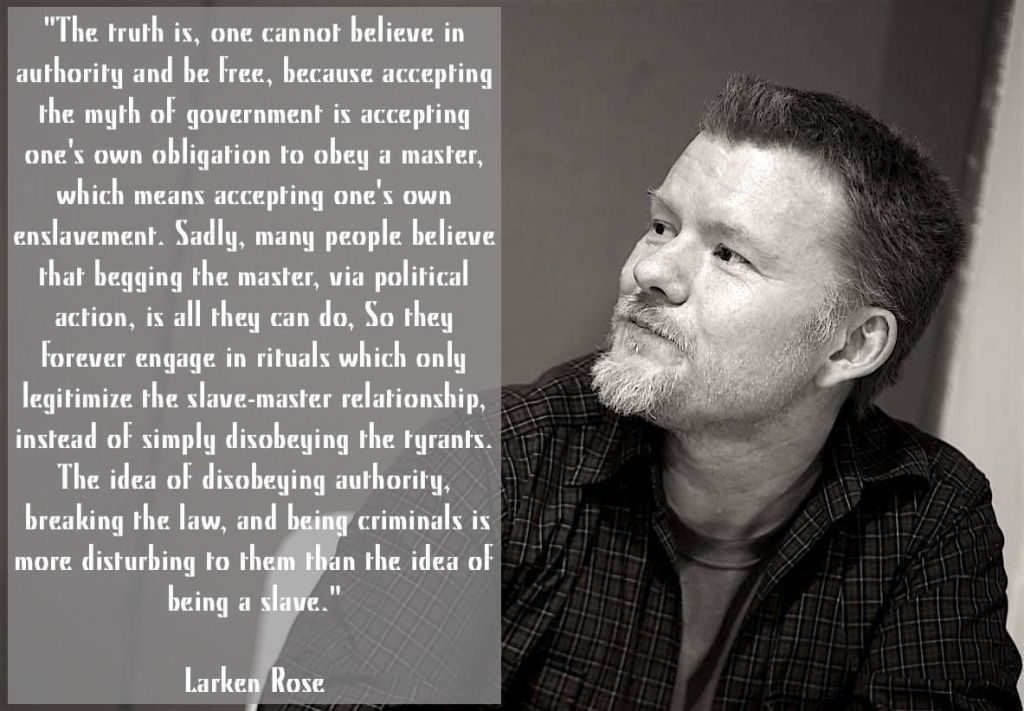
Until the 18th Century, very few Europeans had any moral reservations about slavery, which contradicted no important social value for most people around the world. In the Arab world, which was the first to import large numbers of slaves from Africa, the slave traffic was cosmopolitan. Slaves of all types were sold in open bazaars. The Arabs played an important role as middlemen in the trans-atlantic slave trade, and research data suggest that between the 7th and the 19th centuries, they transported more than 14 million black slaves across the Sahara and the Red Sea, as many or more than were shipped to the Americas, depending on the estimates for the transatlantic slave trade.
Tag: slavery
Anarchist flowchart…

Demolishing the Lincoln Myth, Yet Again
Extension of slavery in the territories was for Lincoln an entirely different matter, and on this issue he refused all compromise. Here we confront a paradox. If Lincoln thought it more important to preserve the Union than to oppose slavery, why was he unwilling to compromise over slavery in the territories? If he thought slavery’s extension was too high a price to pay to preserve the Union, why was he willing permanently to entrench slavery wherever it already existed? It is hard to detect a moral difference between slavery in the states and the territories.
DiLorenzo readily resolves the paradox. Lincoln opposed extension of slavery, because this would interfere with the prospects of white workers. Lincoln, following his mentor Henry Clay, favored a nationalist economic program of which high tariffs, a national bank, and governmentally financed “internal improvements” were key elements. This program, he thought, would promote not only the interests of the wealthy industrial and financial powers that he always faithfully served but would benefit white labor as well. Blacks, in his opinion, would be better off outside the United States, and throughout his life Lincoln supported schemes for repatriation of blacks to Africa and elsewhere. If blacks left the country, they could not compete with whites, the primary objects of Lincoln’s concern. (Lincoln, by the way, did not see this program as in any way in contradiction to his professed belief that all men are created equal. Blacks, he thought, had human rights but not political rights.)
‘My Nigerian great-grandfather sold slaves’
Amid the global debate about race relations, colonialism and slavery, some of the Europeans and Americans who made their fortunes in trading human beings have seen their legacies reassessed, their statues toppled and their names removed from public buildings.
Nigerian journalist and novelist Adaobi Tricia Nwaubani writes that one of her ancestors sold slaves, but argues that he should not be judged by today’s standards or values.
Please don’t go…

In Historic Move, North Carolina City Approves Reparations For Black Residents
In an extraordinary move, the Asheville City Council has apologized for the North Carolina city’s historic role in slavery, discrimination, and denial of basic liberties to Black residents and voted to provide reparations to them and their descendants.
The 7-0 vote came the night of July 14.
“Hundreds of years of Black blood spilled that basically fills the cup we drink from today,” said Councilman Keith Young, one of two African American members of the body and the measure’s chief proponent.
“It is simply not enough to remove statutes. Black people in this country are dealing with issues that are systemic in nature.”
The unanimously passed resolution does not mandate direct payments. Instead, it will make investments in areas where Black residents face disparities.
Freedom or Slavery…your choice…

Think hard…

Thank you, Hillary Clinton…

Study Links Nike, Adidas And Apple To Forced Uighur Labor
Nike, Adidas, Apple, Microsoft and Samsung are among 83 multinationals that have been linked to forced labor by Uighurs in factories across China, according to a new study by the Australian Strategic Policy Institute (ASPI). According to the researchers, Uighurs, a persecuted ethnic minority from China’s western Xinjiang region, have been funneled to work in factories in other provinces under conditions “that strongly suggest forced labour.”
The report estimates that more than 80,000 Uighurs were transferred to work in factories across China between 2017 and 2019. The period coincides with China’s campaign of mass internment of ethnic minorities in Xinjiang, which the government says is needed to root out terrorism and separatism. Some Uighurs have allegedly been placed in these factories straight from the internment camps in Xinjiang, where experts estimate more than 1.5 million members of ethnic minorities are being held.
Although journalists have in the past linked Western companies to forced Uighur labor, this is the first time the problem is made apparent on such a large scale, enveloping factories and supply chains across the country. The 83 foreign and Chinese companies that ASPI has identified as directly or indirectly benefiting from the potentially abusive transfer programs for Uighurs include clothing brands such as Adidas, Gap, Tommy Hilfiger and Uniqlo; carmakers such as BMW, General Motors, Jaguar and Mercedes Benz; and tech giants such as Apple, Google, Huawei and Microsoft.
You must be logged in to post a comment.