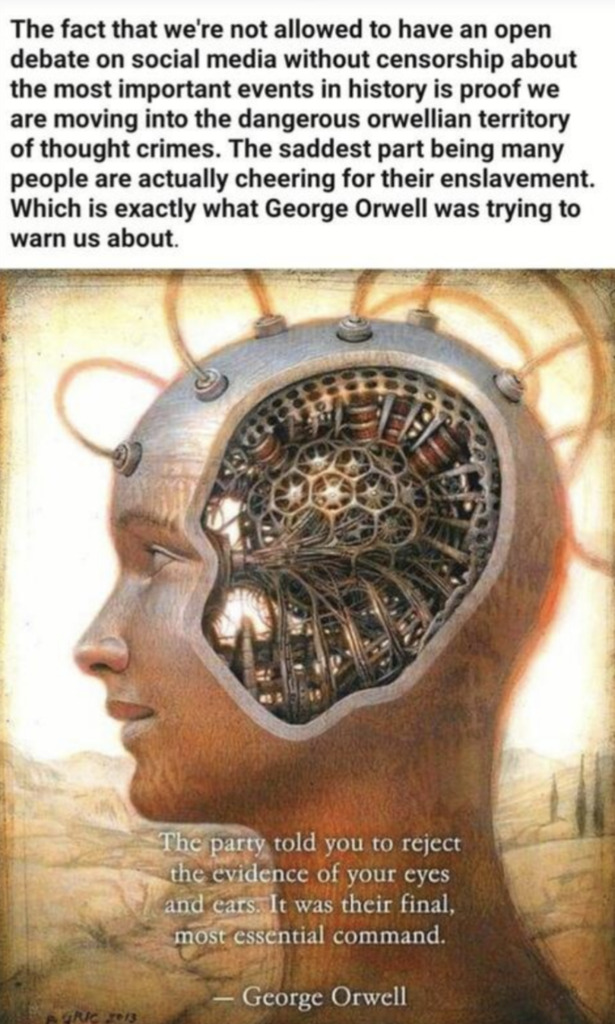
He did try to warn us, but did we listen?


Federal agencies are unveiling sweeping plans on Thursday as part of a government-wide effort by the Biden administration to ensure racial minorities and other underserved communities have equal access to government resources.
The plans are more than a year in the making, triggered by an executive order on advancing racial justice and equity that President Biden signed on his first day in office last year. More than 90 agencies are releasing equity plans that were the product of internal assessments by each agency, a senior administration official told reporters.
The official said that the plans in sum include 300 strategies and commitments. Among them, the Labor Department plans to launch a new initiative to help workers of color overcome barriers in accessing unemployment insurance benefits.
The Environmental Protection Agency will shift from responding to civil rights complaints to beginning civil rights reviews proactively. The Pentagon plans to work with historically Black colleges and universities (HBCUs) to diversify its artificial intelligence workforce.
The Department of Homeland Security also plans to focus on making sure transgender Americans are treated fairly in airport screenings.
And the Justice Department will improve language access to its programs so that Americans who are not proficient in English can more easily report crimes and access the department’s resources.
In California, work is underway by lawmakers described by some as “Orwellian” to push two new Covid bills – one that would deal with “misinformation” around the epidemic and the virus coming from doctors, and another whose goal is to promote censorship by internet platforms.
Critics say that the motive behind the Senate Bill 1018 and Assembly Bill 2098, introduced by two Democrats, is to prevent doctors from speaking freely, whether about Covid treatment or on issues directly affecting their patients.
We obtained a copy of the bill for you here.
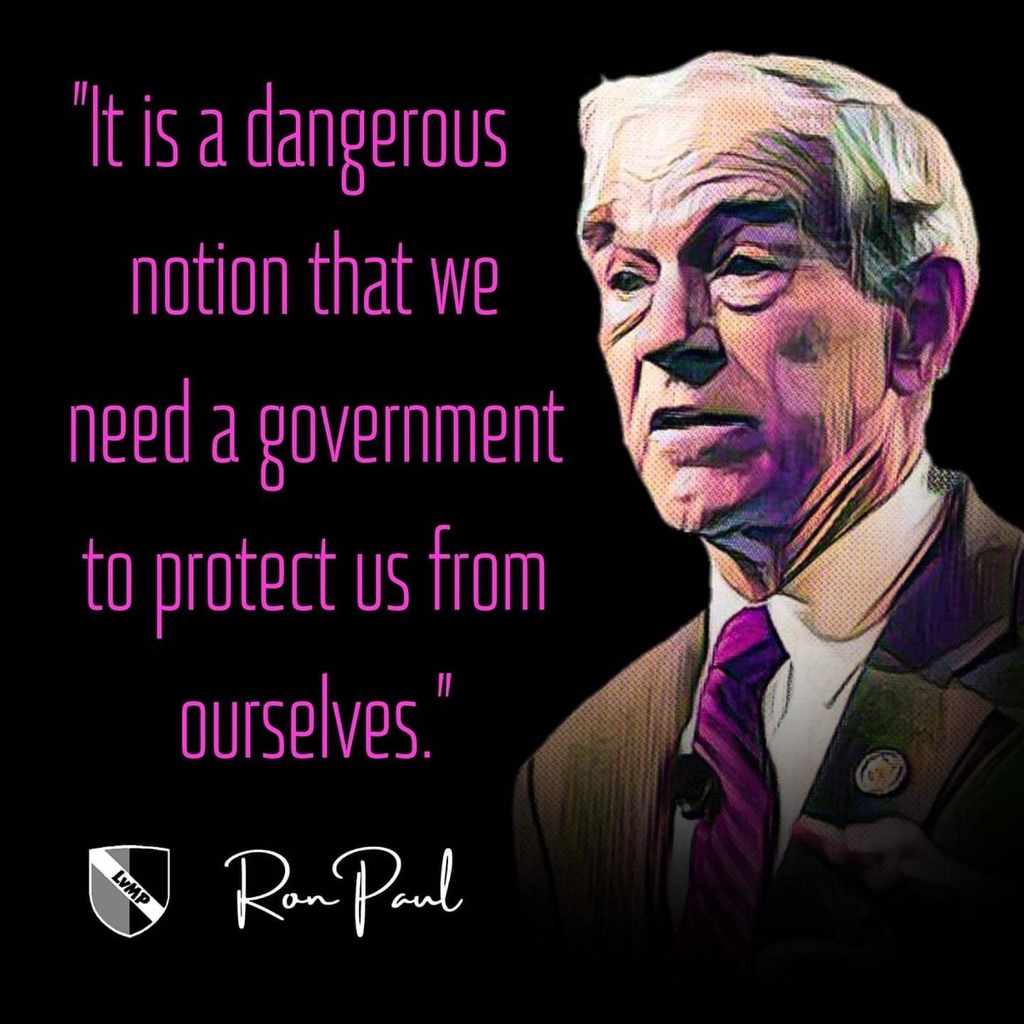
The United States is suddenly very concerned about human rights violations in India, with Secretary of State Antony Blinken telling the press on Monday that “we are monitoring some recent concerning developments in India including a rise in human rights abuses by some government, police and prison officials.”
While it is true that India’s right-wing government is guilty of human rights abuses and has been for years, it is also true that the US State Department does not actually care about human rights abuses.
A leaked State Department memo from the early days of the Trump administration showed neoconservative empire manager Brian Hook teaching a previously uninitiated Secretary of State Rex Tillerson that for the US government, “human rights” are only a weapon to be used for keeping other nations in line. In a remarkable insight into the cynical nature of imperial narrative management, Hook told Tillerson that it is US policy to overlook human rights abuses committed by nations aligned with US interests while exploiting and weaponizing them against nations who aren’t.
“In the case of US allies such as Egypt, Saudi Arabia, and the Philippines, the Administration is fully justified in emphasizing good relations for a variety of important reasons, including counter-terrorism, and in honestly facing up to the difficult tradeoffs with regard to human rights,” Hook explained in the memo.
“One useful guideline for a realistic and successful foreign policy is that allies should be treated differently — and better — than adversaries,” Hook wrote. “We do not look to bolster America’s adversaries overseas; we look to pressure, compete with, and outmaneuver them. For this reason, we should consider human rights as an important issue in regard to US relations with China, Russia, North Korea, and Iran. And this is not only because of moral concern for practices inside those countries. It is also because pressing those regimes on human rights is one way to impose costs, apply counter-pressure, and regain the initiative from them strategically.”
No, the US State Department does not care about human rights abuses. Blinken’s remarks are just the latest in a series of shots across the bow that the US empire has been firing at New Delhi to warn it against moving into alignment with Moscow.

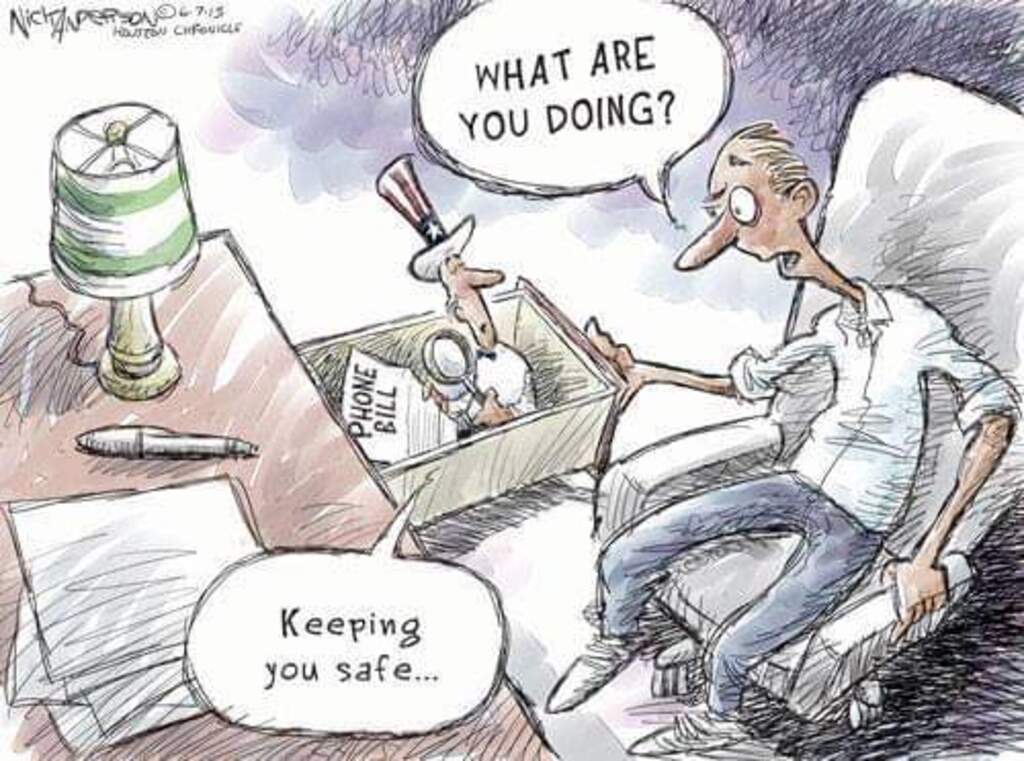
Last Friday, Homeland Security Secretary Alejandro Mayorkas declared white supremacists and “domestic violent extremism” to be the “most prominent threat” currently facing our country. The timing could not have been more perfect. Just hours later, a jury in Grand Rapids, Michigan exposed the Justice Department’s largest alleged “domestic terrorism” case of the last 18 months as a failed FBI entrapment scheme to smear conservatives as white supremacists ahead of the 2020 election.
By refusing to convict four men accused of plotting to kidnap and kill Michigan Gov. Gretchen Whitmer before Election Day 2020, the Grand Rapids jury seemed to side with defense attorneys who argued their clients were not domestic terrorists, but entrapped by undercover FBI agents and at least a dozen informants who planned and funded the kidnapping operation.
“The key to the government’s plan was to turn general discontent with Gov. Whitmer’s COVID-19 restrictions into a crime that could be prosecuted,” defense lawyers wrote in a joint motion. “The government picked what it knew would be a sensational charge: conspiracy to kidnap the governor. When the government was faced with evidence showing that the defendants had no interest in a kidnapping plot, it refused to accept failure and continued to push its plan.”



You must be logged in to post a comment.