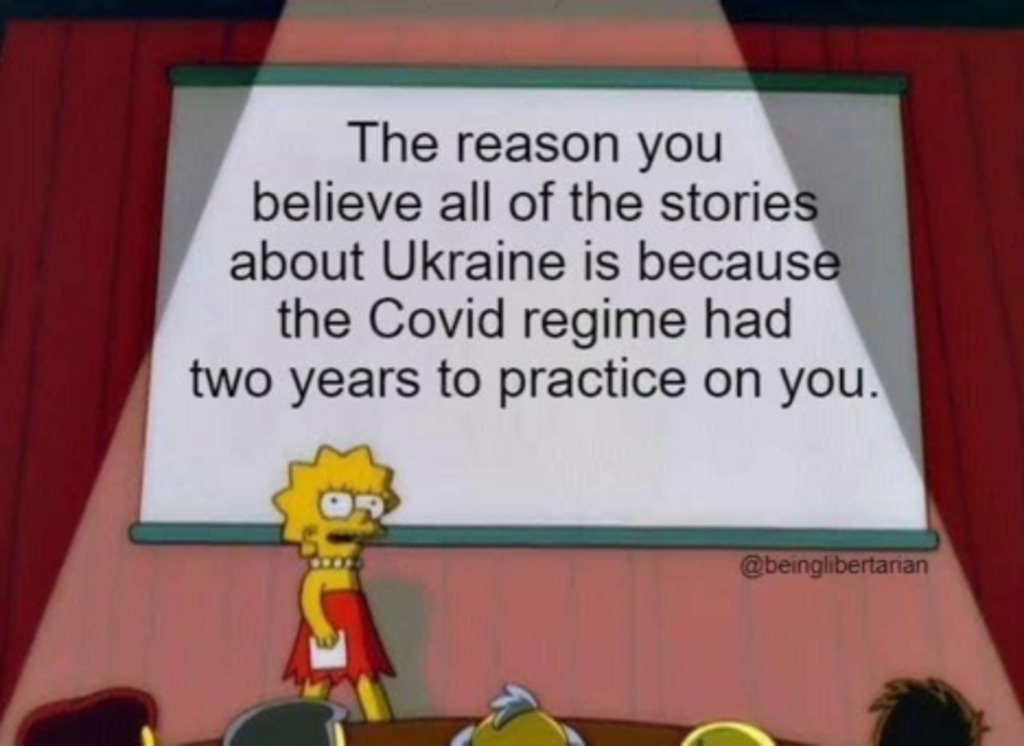
Practice makes perfect…


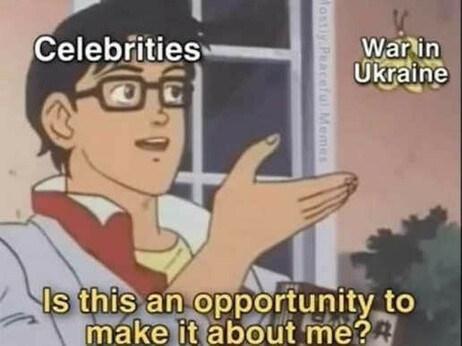
French President Emmanuel Macron claimed in his Wednesday address to the nation that Russia’s special operation to demilitarise and “de-Nazify” Ukraine is “not a fight against Nazism”, thus joining the chorus of political leaders and media outlets in the West who downplay or altogether deny the problem of Ukrainian ultra-nationalism.
Ukraine’s ultra-nationalist and neo-Nazi battalions made headlines after the 2014 February coup d’etat in the country only to be largely overlooked and downplayed in the ensuing years by the mainstream media.
“Far-right, anti-Semitic, anti-Russian, and openly fascist groups have existed and do exist as a blight on modern Ukraine”, CNN wrote in March 2014. It quoted a 2012 European Parliament resolution raising 18 points of concern over policies embedded in the laws of the nation’s parliament, and denounced “the rising nationalistic sentiment in Ukraine”.
CNN admitted that Ukraine’s ultra-nationalist parties and groups, including Svoboda and the Right Sector ultra-nationalists, played a significant role in the 2014 regime change in Kiev and later assumed positions in the National Security and Defence Council, the office of the Prosecutor General, and the ministries of ecology and agriculture of the interim government.
Shortly after the coup, Ukraine saw the formation of volunteer nationalist battalions that carried out attacks against the breakaway Donbass republics and terrorised Eastern Ukrainian civilians. One of them, Azov, was led by Andriy Biletsky, former leader of the Kharkov branch of “the Stepan Bandera All-Ukrainian Organisation ‘Tryzub'” and co-founder of the ultra-nationalist movement, the Social-National Assembly.
After Ukrainian President Volodymyr Zelensky claimed that Russia had attacked the Babi Yar Holocaust memorial in Kiev in an attempt to “erase our history,” an Israeli journalist visited the site to discover that it was in fact “unscathed.”
Narrative fail.
Legacy media outlets breathlessly reported on Monday that the memorial had been deliberately attacked by an air strike, amplifying Zelensky’s claim that the destruction was “beyond humanity.”
“[The Russians] have orders to erase our history, our country and all of us,” Zelensky said. “You killed Holocaust victims for the second time.”
However, the attack had actually targeted the nearby television tower and the memorial was not damaged.
The memorial was “not harmed and no bomb, missile or artillery shell hit the site itself,” Ynet News reported.
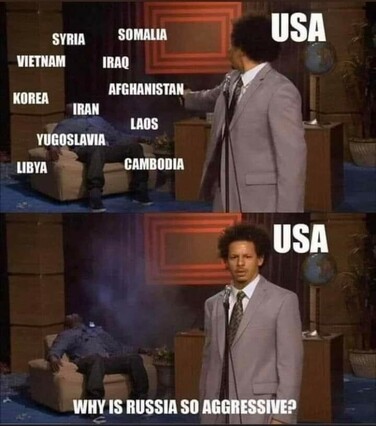
if you’re watching developments with Ukraine and Russia, you may be thinking that a lot of what’s being reported doesn’t make sense or lacks context. We’re often getting one side of a story portrayed in black and white terms.
And it’s difficult to know what “news” is coming from which sources.
A good example is the early report about the “brave Ukrainian soldiers” on a place called Snake Island that told Russian military intruders to “Go F*ck Yourselves,” and died in a blaze of glory.
Many in the media accepted and reported the information as if they’d confirmed it happened, and without question. They said that Ukraine’s President Zelenskyy had honored the men posthumously for their bravery.
It turns out pieces of that story may not have happened, as reported. In fact, multiple reports now say all of the Ukrainian soldiers are still alive. If so, it would mean they didn’t receive posthumous recognition, as had been reported. It’s also hard to know if those reports are accurate.
What to believe?
A documentary called “Ukraine on Fire,” made long before the Russia invasion, provides a lot of context that’s not being discussed. Filmmaker Oliver Stone interviews Ukrainian figures involved in decades of civil war, infighting, and controversies. The documentary also explores the US role in Ukraine’s political upheavals over the years. And it discusses manipulation of media messaging.
CNN International, the global arm of CNN, ABC and CBS News will stop broadcasting in Russia, after the Kremlin introduced a new law in the country that could jail anyone intentionally spreading ‘fake’ news.
Bloomberg News, the BBC and Canada’s CBC also said they were temporarily suspending the work of their journalists inside Russia.
Russian officials have said that false information has been spread by enemies such as the United States and its Western European allies in an attempt to sow discord among the Russian people.
Lawmakers in Moscow passed amendments to the criminal code making the spread of ‘fake’ information an offense punishable with fines or jail terms. They also imposed fines for anyone calling for sanctions against Russia following the invasion of Ukraine.
The new legislation was passed by parliament and will become law when Vladimir Putin signs it, as he is widely expected to do. It was not clear when Putin would sign the measure.
It appeared to give the Russian state much stronger powers to crack down, by making it a criminal offense to spread fake information, with a jail term of up 15 years for posting about ‘fake news.’
‘CNN will stop broadcasting in Russia while we continue to evaluate the situation and our next steps moving forward,’ a spokesperson said Friday.
Ukraine’s President Zelensky and his top officials have over the past days been very openly urging a US and NATO imposed no-fly zone over the country, which would effectively bring American forces into a direct shooting war with Russia. On Saturday Russian President Putin issued a stern threat to any external power thinking about intervening by sending direct military forces.
Putin made clear a no-fly zone would result in the Kremlin’s immediate declaration of war on any country intervening in such a way. The AP reported and translated his fresh comments made before civilian aviation industry members and pilots as follows:
A no-fly-zone would spell war for any third party who tries to enforce one over Ukraine, Vladimir Putin has said.
Speaking at a meeting with female pilots on Saturday, Putin said Russia would view “any move in this direction” as an intervention that “will pose a threat to our service members.”
“That very second, we will view them as participants of the military conflict, and it would not matter what members they are,” the Russian president said.
Further he addressed the ratcheted up sanctions on Russia from the West, which are now serving to isolate Russia almost on levels akin to the US sanctions regimen on Iran – with of course the important exception that the US has not yet directly targeted Russian oil and gas exports.
 Hellbound and Down
You must be logged in to post a comment.