
Following orders…


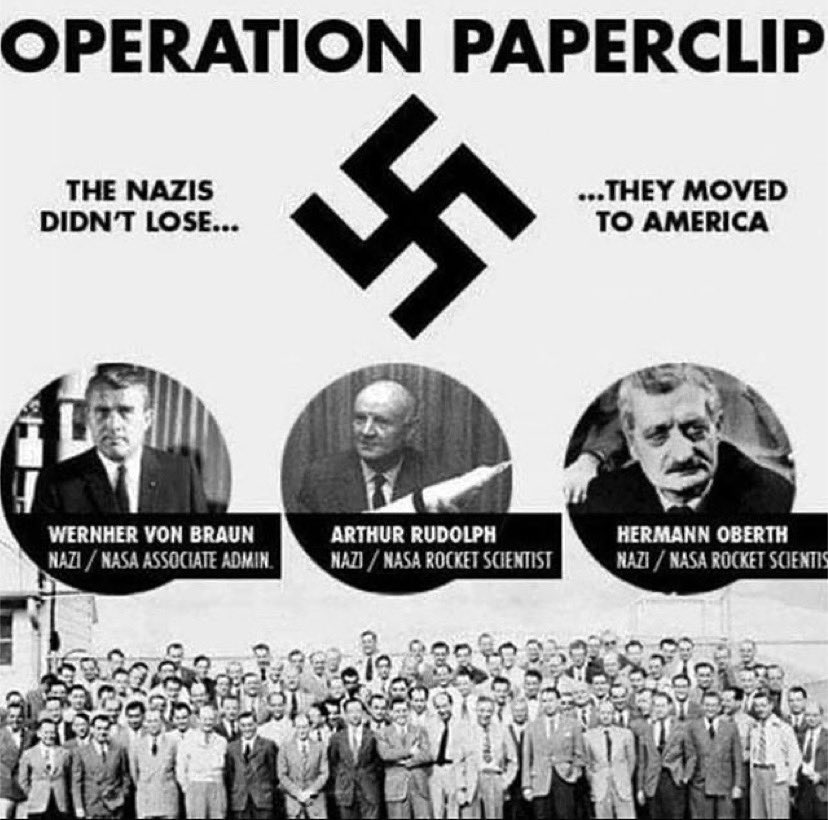
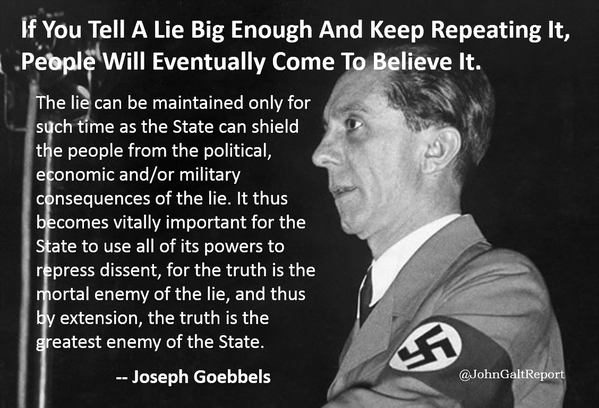
“Propaganda works best when those who are being manipulated are confident they are acting on their own free will.”
Joseph Goebbels
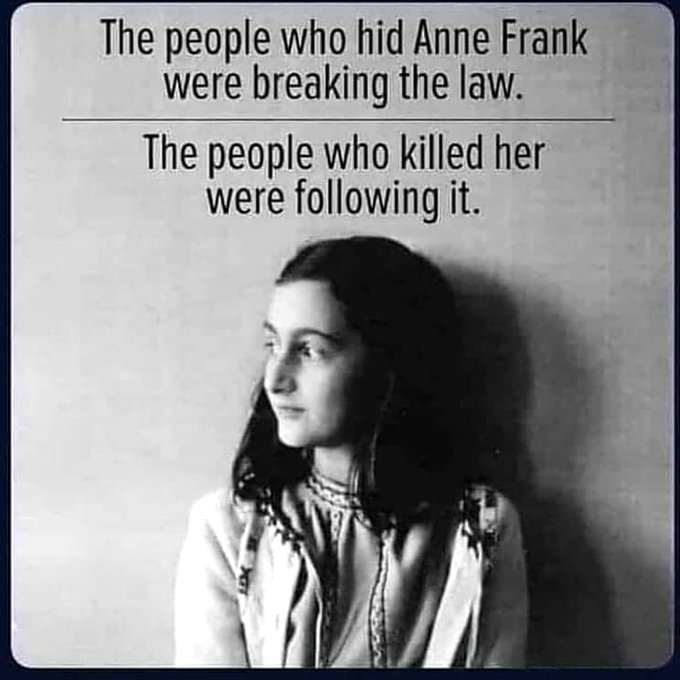
Another agent complained of being seen as “the bad guys” in society.
“We constantly look like we’re the bad guys, when all we’re doing is enforcing the laws and doing our job,” the agent says.
“It gets to me sometimes, it does,” she says. “Cause, I just feel like, you know, we have no respect.”

The largest collection of Nazi objects in Argentina’s history was discovered outside of Buenos Aires this month.
Around 75 artifacts — including some that were likely used by Hitler himself — were found in a hidden room inside a collector’s home.
Among the disturbing items were magnifying glasses engraved with swastikas, a bust of Hitler, a box of harmonicas, and a scary-looking medical device used to measure heads (an ethnocentric technique used by Nazis to distinguish “Aryans” from Jews).
Authorities suspect that many of the pieces belonged to high-ranking Nazi officials. This theory is supported by photographs found with the collection — one of which shows Hitler using a magnifying glass like the ones confiscated.
An independent journalist writing about alleged links between Facebook, a local fact-checking organisation, and far-right groups has been forced to flee Kiev after receiving death threats.
Ekaterina Sergatskova, 32, a Russian-born, Ukrainian nationalised citizen, is editor of the well-regarded Zaborona publication, which focuses on matters often ignored by Ukrainian media, including nationalism and the far right.
On 3 July, Ms Sergatskova co-authored an investigation alleging links between neo-nazi groups and StopFake, a Ukrainian NGO working as a Facebook fact-checking partner.
The report detailed several instances of one of the NGO’s public faces appearing alongside musicians from Holocaust-denying, white power bands. It suggested the alleged links could have served as a reason for Facebook removing an earlier Zaborona article about far-right activist Denis Nikitin.
StopFake responded to the allegations with a statement saying it was never authorised to block materials, and rejected the associations as a pro-Russian conspiracy.
The article also brought an immediate reaction from the hard right – both publicly on social media and privately, in messages sent to the journalist.
On Saturday, Roman Skrypin, a popular, nationalist-leaning journalist, dramatically upped stakes by publishing pictures of Ms Sergatskova and her five-year-old son, together with photographs of what he believed to be her home. He accused the journalist of being an agent of the Kremlin, a description friends of the journalist dismiss as absurd.
In comments responding to Mr Skrypin’s Facebook post, users threatened all kinds of retribution, and published details of her supposed address.
 Hellbound and Down
You must be logged in to post a comment.