Literal grammar Nazis…


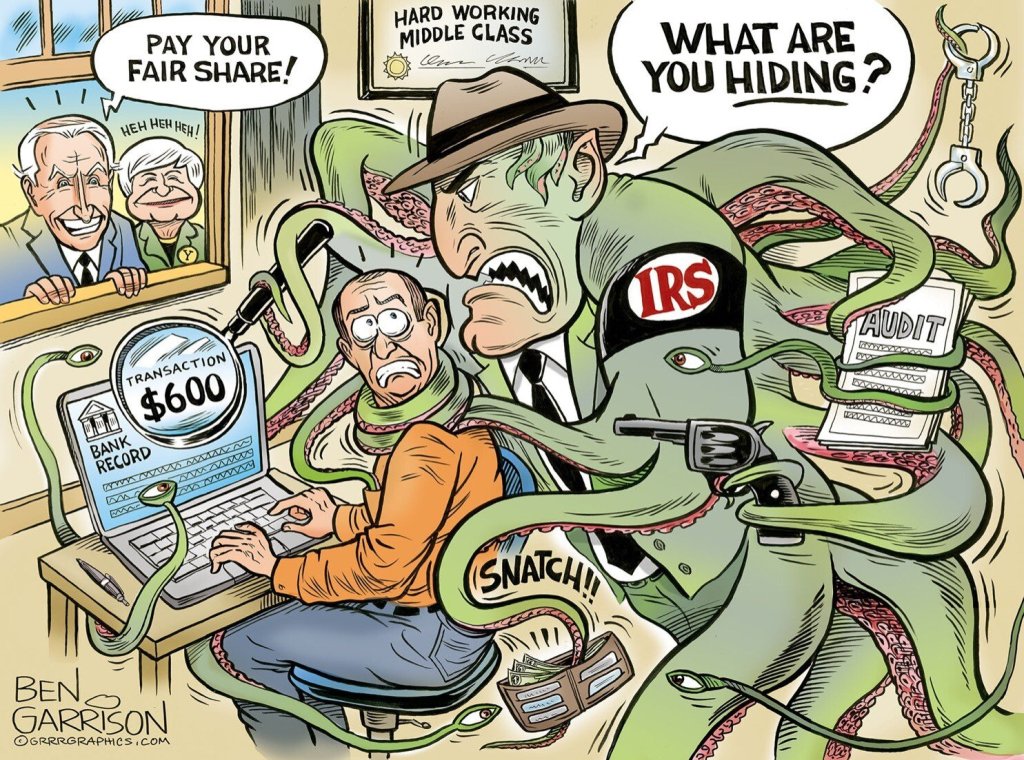
Restaurants in Michigan will be required to take down the names and phone numbers of customers beginning Monday, Nov. 2.
The Michigan Department of Health and Human Services announced the new order on Thursday, which will require restaurants to note the date and time of entry for customers who visit the premises.
“All dine-in food service establishments must maintain accurate records of the names and phone numbers of patrons who purchase food for consumption on the premises, and the date and time of entry,” the order stated.
The order also requires schools and businesses to “aid in contact tracing and case investigation efforts” during a time when positive tests for the virus have surged in the state.
The press release also noted changes in the capacity limits for indoor events such as weddings, parties, and banquets. The order reduces the number of people who can gather at these events from 500 to 50.


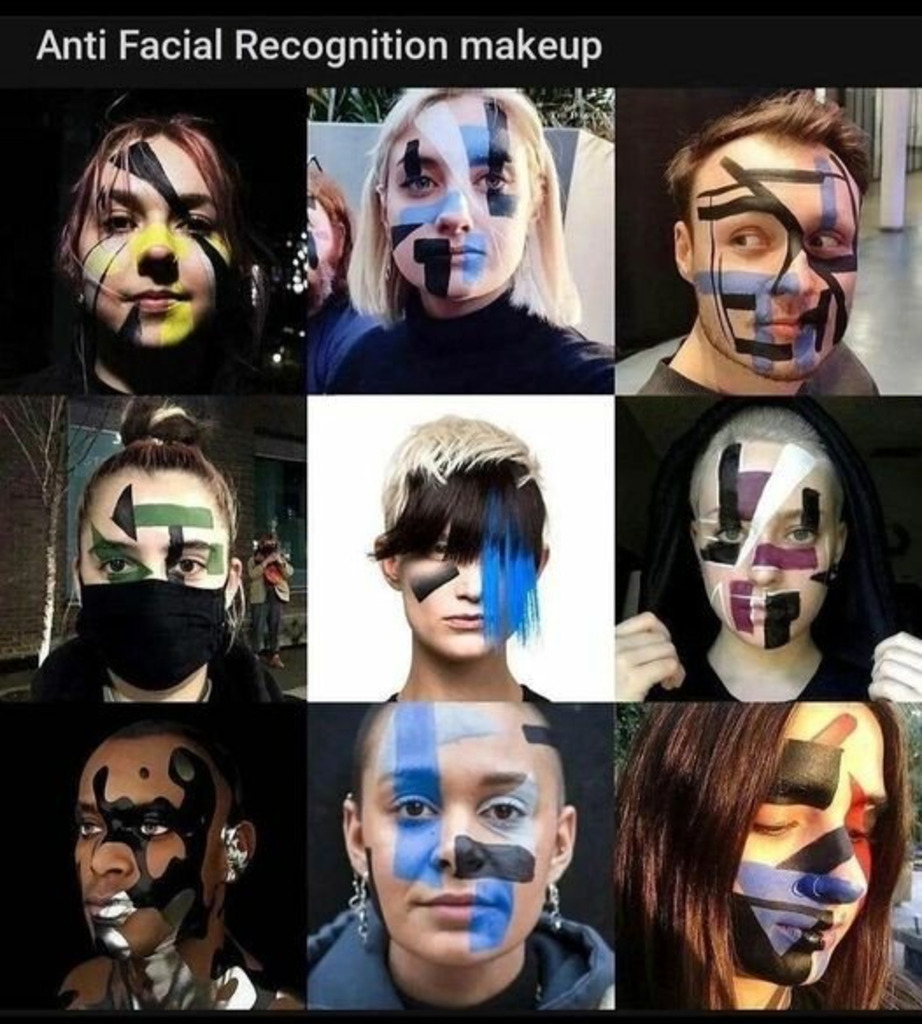
According to a study by research website Comparitech, most of the world’s most surveilled cities are located in China. The country has been making headlines for its generous use of surveillance technology and is featured heavily throughout the whole ranking that looked at the 150 most populous cities worldwide, excluding those for which insufficient data was available.
The Chinese city of Taiyuan, located in the Shanxi province roughly 300 miles Southwest of Beijing, tops the list with 120 public CCTV cameras per 1,000 inhabitants. The highest-ranked non-Chinese city is London, also notorious for its strict surveillance of public spaces, with 67 cameras per 1,000 people, with Los Angeles the highest-ranked U.S. city in the ranking with 6 cameras per 1,000 inhabitants.
CCTV technology is controversial in many places around the world, with proponents touting its benefits for fighting crime and opponents cautious about surveillance’s potential to be used as a tool of public control and to violate privacy rights. The makers of the survey said that they found little correlation between lower crime rates or a heightened feeling of security and surveillance in the cities surveyed.

Residents of a Sacramento suburb were left scratching their heads and asking questions on Sunday following a report that a National Guard spy plane was deployed to the largely gated community—where the commander of the California National Guard resides—to monitor racial justice protests earlier this year.
The Los Angeles Times reports RC-26 reconnaissance planes were deployed to monitor protests in three major cities in early June: Washington, D.C., Phoenix, and Minneapolis, where police killed George Floyd, an unarmed Black man, on May 25.
A fourth RC-26 was dispatched to an unlikely location: the affluent Sacramento suburb of El Dorado Hills, where it—along with an Air National Guard Lakota helicopter—watched protesters below.

Two weeks ago, on September 24, the Department of Health and Human Services (HHS) published a solicitation for the creation of a new “early warning system” that would “detect and track traces of the [corona]virus in community wastewater, compile the data, [and] conduct predictive analysis” in order to “guide reopening and mitigation strategies, and also serve as leading indicator for local re-emergence events to enable rapid containment.” HHS was seeking a contractor to design the new Covid-19 detection system, hoping, it said, to have this new system operational in at least forty-two US states by the end of year.
The first phase of the proposed project would involve testing and reporting from approximately one hundred wastewater treatment plants across the United States, covering an estimated 10 percent of the population. HHS, per the solicitation, reserves the option to expand the program to include up to 320 wastewater treatment plants, covering around 30 percent of the population. The solicitation claimed that wastewater testing would allow HHS officials to predict new Covid-19 cases five to eleven days before an outbreak.
The initiative appears to be an expansion of a “new public health tool” announced last month by HHS and the Centers for Disease Control and Prevention (CDC) called the National Wastewater Surveillance System. This tool was originally intended to “help public health officials to better understand the extent of COVID-19 infections in communities.” Per the recent HHS solicitation, however, the wastewater surveillance system will now be used to predict outbreaks before they occur and to guide “rapid containment” efforts in “at-risk” communities.
At the core of this new early warning system based on wastewater surveillance is a secretive data platform that HHS launched earlier this year called HHS Protect. HHS describes Protect as “a secure platform for authentication, amalgamation, and sharing of healthcare information” that combines “more than 200 disparate data sources” from federal, state, and local governments as well as the private health-care industry.

You must be logged in to post a comment.