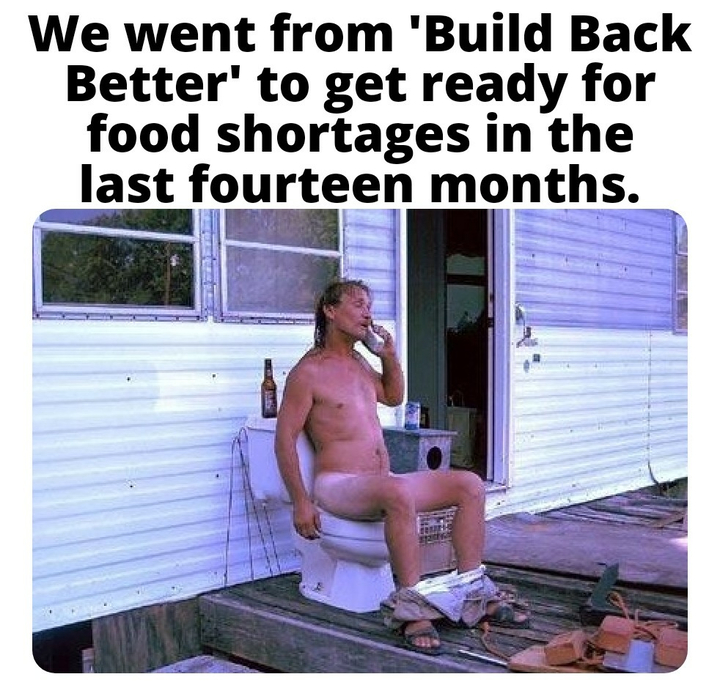
That sure happened quickly…

With the price of gas rising across the U.S., lawmakers are developing a string of proposals to help motorists – from $400 rebates for all taxpayers in California to imposing windfall taxes on oil companies or a sliding scale of payments that could net families as much as $300 every month.
The average cost of a gallon has raced past $4 a gallon amid domestic inflation and the impact of Vladimir Putin‘s war in Ukraine.
This week, the average price of a gallon of regular gas in Los Angeles hit a record $6.011, even as the national average continued to decline slightly from the all-time high earlier this month, according to the AAA Gas Price Index.
An opinion poll published Wednesday found that almost three quarters of voters were in favor of a holiday from federal energy taxes to ease the burden.
And lawmakers across the country are pushing legislation to bring down prices at the pumps.
A new bill proposed by three Democrats – Reps. Mike Thompson of California, John Larson of Connecticut and Lauren Underwood of Illinois – could be worth $300 each month to some families if the price of a gallon stays above $4.
‘Americans are feeling the impact at the pump of Vladimir Putin’s illegal invasion of Ukraine, and right now we must work together on commonsense policy solutions to ease the financial burden that my constituents are feeling,’ Thompson said in a news release.
‘The Putin Price Hike is putting strain on our economy, and I am proud to be working with Reps. Larson and Underwood to introduce this legislation to provide middle-class Americans with monthly payments to ease the financial burden of this global crises.’
Their plan follows the model of COVID economic impact payments – offering $100 for single filers earning less than $75,000, plus $100 for each dependent.
It is just one of a series of proposals unveiled recently.
In California, Democratic lawmakers want a $400 rebate for taxpayers – costing about $9 billion drawn from the state’s budget surplus and equivalent to the average gas tax paid by residents over a year.


The executive director of the UN’s World Food Program is saying that we are now facing “a catastrophe on top of a catastrophe.” Unfortunately, he is not exaggerating. The global price of food was skyrocketing even before the war on the other side of the globe erupted, and now many of the countries that are extremely dependent on agricultural exports from Ukraine and Russia are going to have to turn elsewhere for answers. Meanwhile, severe drought is threatening production in the other major “breadbasket” of the world. We are being warned that the winter wheat harvest in the U.S. could be “disastrous” this year, and that is very unwelcome news. Because if some sort of a miracle does not happen, we will soon see hunger and famine on a scale that once would have been unimaginable to many people.
We really are facing a “perfect storm” as far as global food production is concerned. The following comes from a recent New York Times article…
Ukrainian farms are about to miss critical planting and harvesting seasons. European fertilizer plants are significantly cutting production because of high energy prices. Farmers from Brazil to Texas are cutting back on fertilizer, threatening the size of the next harvests.
China, facing its worst wheat crop in decades after severe flooding, is planning to buy much more of the world’s dwindling supply. And India, which ordinarily exports a small amount of wheat, has already seen foreign demand more than triple compared with last year.
The new global energy crisis just keeps pushing fertilizer prices higher and higher.
This is something that I have been warning about for months, and now the mainstream media is finally acknowledging that we have a truly historic challenge on our hands.
In fact, they are not openly admitting that fertilizer prices have “more than doubled or tripled in price over the past year”…
In another ominous signal to fertilizer customers, earlier this month European fertilizer producers said they were slowing or halting production because of soaring energy prices. Many fertilizers are made with natural gas.
The world’s major fertilizers have now more than doubled or tripled in price over the past year.
Actually, in some cases fertilizer prices have actually quadrupled.
How are the poorer parts of the world supposed to deal with that?
It is easy to tell them to use less fertilizer, but using less fertilizer will mean less food is grown.
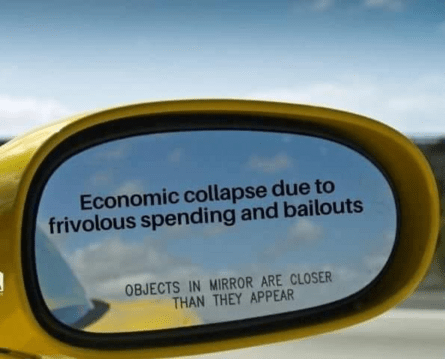
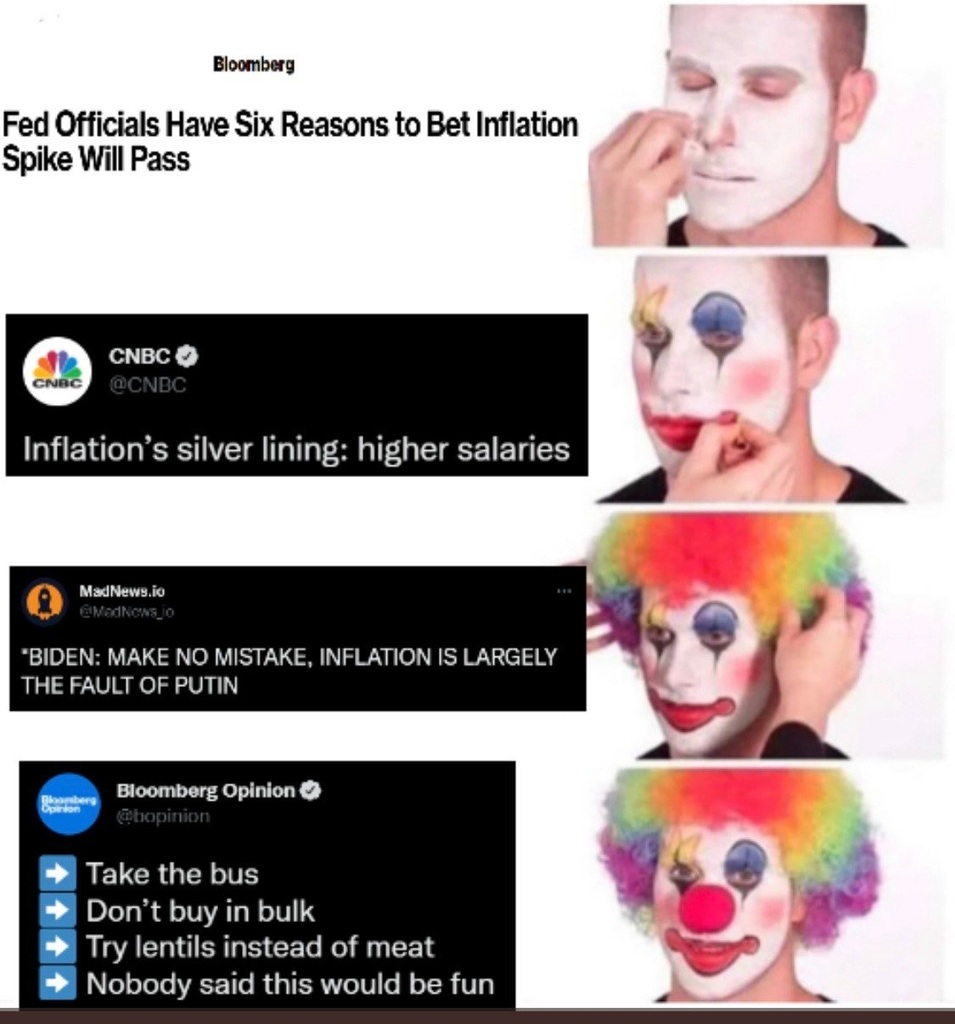
Bloomberg News elicited a massive backlash over the weekend for offering ‘tips’ to Americans who might struggle with the rising cost of living which included letting their pets die and eating lentils instead of meat.
The piece, titled “Inflation Stings Most If You Earn Less Than $300K. Here’s How to Deal,” was penned by Teresa Ghilarducci, professor of economics at the New School for Social Research, a private university in New York.
Ghilarducci proved she is completely out of touch with the reality of life for everyday Americans, writing “I expect those most affected will adjust to inflation in the classic way by shifting away from relatively expensive items toward close substitutes.”
She continued, “Here are some ideas on how to reconfigure consumption and lessen the blow. But again, adjustment is hard for people without savings or choices.”
The professor then outlined how people should take public transportation instead of driving, eat meat subsitutes like lentils and vegetables, avoid buying items in bulk, and avoid medical expenses for pets.
Right, so let pets die? In short yes.
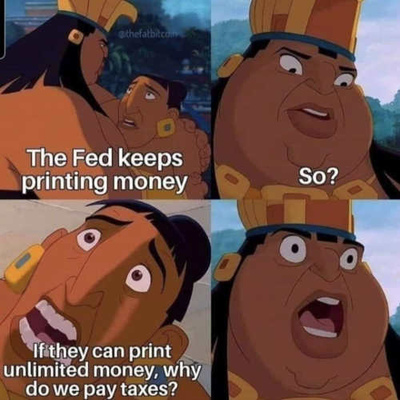
Since the invasion of Ukraine began, manufacturers of doomsday bunkers have seen a massive spike in sales. This is typical during any crisis as people wait until the last minute to start preparing. What sets this rush toward prepping apart from ones in the past is the fact that the World Bank is warning against such actions — despite many of their elite friends doing exactly that.
During a virtual event hosted by the Washington Post on Monday, World Bank President David Malpass told people not to store food or gasoline in spite of the massive spike in prices since the Russian invasion of Ukraine.
“The right thing to do in these current circumstances is not to go out and buy extra flour or extra gasoline, it’s to recognize that the world is a dynamic global economy and will respond. There’ll be enough to go around,” Malpass said.
Malpass’ intentions are clear — don’t create fear to further hurt the supply chain. But it is too late for that and people should definitely be preparing. In fact, it may be too late.
While high prices and inflation are being blamed on Russia, it is important to point out that we have been headed in this direction well before the invasion. Russia was just an easy scapegoat.
While the president blames high prices on “corporate greed” and the Federal Reserve blames supply chain dysfunction, no one is looking at the elephant in the room — massive expansion of the money supply and insane deficit spending which has reached historical proportions in the last two years.


You must be logged in to post a comment.