‘BASICALLY CYBERBULLYING’: HOW COPS ABUSE SOCIAL MEDIA TO PUBLICLY HUMILIATE

Police departments have said that maintaining a presence on social media and direct engagement with the community builds trust and leads to arrests of people with outstanding warrants by soliciting crime tips. But a trend has emerged on social media accounts run by law enforcement: a hypermalicious form of voyeurism and public humiliation targeting people who have been arrested or just suspected of a crime. Critics argue that this form of “engagement” does not reduce recidivism and can often do more harm than good.

The Mobile County sheriff’s office deleted the post, telling a local NBC affiliate it had received threats to deputies’ safety. But despite the outcry, the office has continued the “Thug Thursday” Facebook series at the request of its followers, said Lori Myles, spokesperson for the sheriff’s office. 

“Our goal is making the arrest and getting that criminal off the street,” Myles said. “We use the definition of THUG as what is in the dictionary…a criminal.”

Keep reading

Unsolved Murders On The Rise In 2020 Due To COVID-Related Challenges

It should come as no surprise to anyone who has been paying attention over the last year that police are solving less murders as a result of new challenges that have been created by Covid-19. 

In fact, homicides rose almost 40% for the country’s 10 largest police departments in the first 11 months of 2020, the Wall Street Journal reported this weekend. The report noted that detectives across the country have been “overwhelmed” by the rise in homicides after the rate had been falling since the 1990s.

Covid has made traditional police work, including face to face interviews, difficult to undertake. This comes amid a year where civil unrest has been high and the public’s trust of police has sunk. 

Keep reading

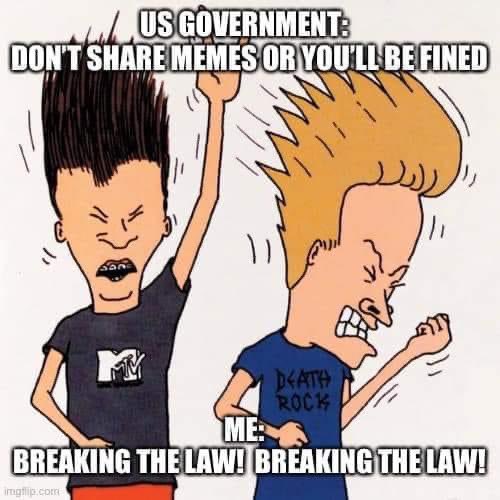
‘This Is Atrocious’: Congress Crams Language to Criminalize Online Streaming, Meme-Sharing Into 5,500-Page Omnibus Bill

Lawmakers in Congress are under fire from digital rights campaigners for embedding three controversial changes to online copyright and trademark laws into the must-pass $2.3 trillion legislative package—which includes a $1.4 trillion omnibus spending bill and a $900 billion Covid-19 relief bill—that could receive floor votes in the House and Senate as early as Monday evening.

The punitive provisions crammed into the enormous bill (pdf), warned Evan Greer of the digital rights group Fight for the Future, “threaten ordinary Internet users with up to $30,000 in fines for engaging in everyday activity such as downloading an image and re-uploading it… [or] sharing memes.”

While the citizenry had almost no time to process the actual contents of the 5,593 page legislative text, Greer said Monday afternoon that the CASE Act, Felony Streaming Act, and Trademark Modernization Act “are in fact included in the must-pass omnibus spending bill.”

As Mike Masnick explained in a piece at TechDirt on Monday:

The CASE Act will supercharge copyright trolling exactly at a time when we need to fix the law to have less trolling. And the felony streaming bill (which was only just revealed last week with no debate or discussion) includes provisions that are so confusing and vague no one is sure if it makes sites like Twitch into felons.

“The fact that these are getting added to the must-pass government funding bill is just bad government,” Masnick added. “And congressional leadership should hear about this.”

Keep reading

The COVID-19 Stimulus Bill Would Make Illegal Streaming a Felony

Congress looks to provide relief to U.S. citizens and small businesses, but the omnibus bill includes some legislative priorities for the entertainment industry as well.

Providing relief via direct assistance and loans to struggling individuals and businesses hit hard by COVID-19 has been a priority for federal lawmakers this past month. But a gigantic spending bill has also become the opportunity to smuggle in some other line items including those of special interest to the entertainment community.

Perhaps most surprising, according to the text of the bill being circulated, illegal streaming for commercial profit could become a felony.

It’s been less than two weeks since Senator Thom Tillis (R-NC) released his proposal to increase the penalties for those who would dare stream unlicensed works. In doing so, the North Carolina Senator flirted with danger. About a decade ago, Minnesota Senator Amy Klobuchar made a similar proposal before it ended up dying as people worried about sending Justin Bieber to jail. (No, seriously.) This time, Tillis’ attempt was winning better reviews for more narrowly tailoring the provisions towards commercial operators rather than users. That said, it’s had very little time to circulate before evidently becoming part of the spending package. If passed, illegal streaming could carry up to 10 years in jail.

That’s not the only copyright change either.

The spending bill also appears to adopt a long-discussed plan to create a small claims adjudication system within the U.S. Copyright Office.

Keep reading