
Who is the crazy one?

Check out our charts for various locales, with dates of mask mandates superimposed on cases or hospitalizations. HERE
New Zealand on Wednesday said the defence force will now oversee the country’s quarantine facilities and strengthen border requirements, after a slip up allowed two people with coronavirus to move around the country.
New Zealand on Tuesday lost its COVID-free status when two women who had been given permission to leave quarantine early on compassionate grounds after arriving from Britain tested positive for the coronavirus.
Prime Minister Jacinda Ardern said she was appointing the Assistant Chief of Defence, Air Commodore Digby Webb, to oversee all quarantine and to manage isolation facilities, including the processes of exiting people from these facilities.
Ardern said Webb can seek access to military logistics, its operational expertise and, if needed, personnel, for running of the quarantine facilities.

Masks have become a political tool and a talisman. When COVID-19 hit, governments panicked and created enormous fear. The Centers for Disease Control currently estimates a COVID-19 survival rate of 99.99 percent for people younger than 50, but the damage created by the panic was too great to undo.
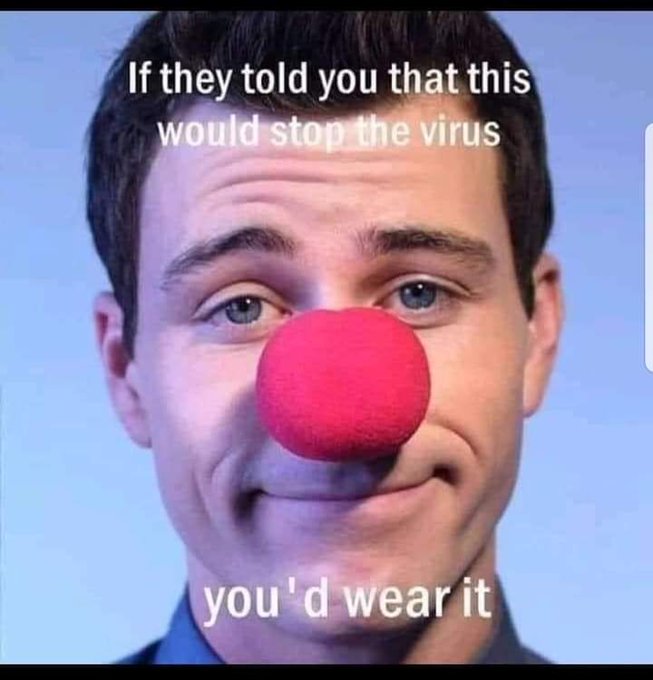
It is likely that some politicians eventually realized their mistake and needed a way to back-pedal without admitting their lockdowns were a policy disaster. Their solution was for people to put any old piece of cloth across their face and magically believe that it’s okay to go out shopping again.
Masks are not merely a small inconvenience. They have inadvertently become a key impediment to returning to a more normal life, a desirable goal for those seeking to twist the pandemic for political and electoral purposes.
Masks dehumanize us, and ironically serve as a constant reminder that we should be afraid. People can now be spotted wearing masks while camping by themselves in the woods or on a solo sailing trip. They have become a cruel device on young children everywhere, kindergarten students covered by masks and isolated by Plexiglas, struggling to understand the social expressions of their peers. Face coverings are causing real harm to the American psyche, provide little to no medical benefit, and distract us from more important health policy issues.
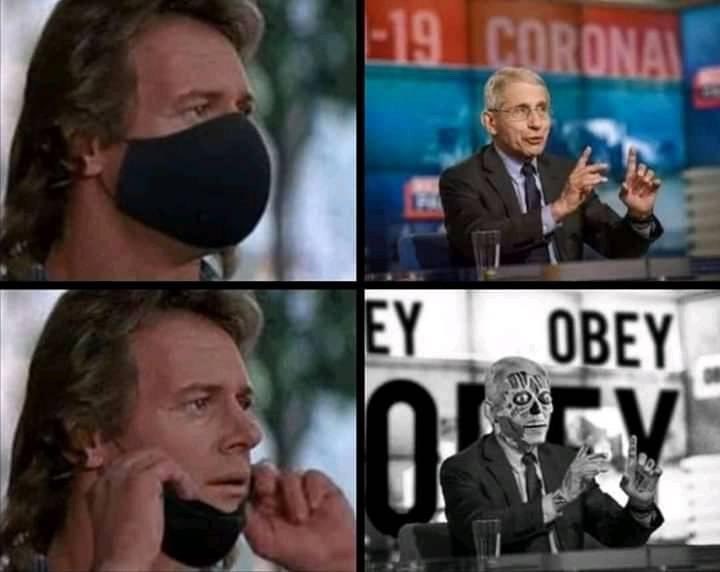
The mask dogma had many cracks in it from the start. For one, the U.S. surgeon general and the Centers for Disease Control both previously said that “masks are NOT effective in preventing [the] general public from catching coronavirus,” so they were already starting with a credibility deficit. Furthermore, many officials have been frequently caught without masks when they think the cameras are off them. Dr. Anthony Fauci, for example, has been caught doing this multiple times.




You must be logged in to post a comment.