
C’mon, man…



Within a month of arriving in federal prison, Lauren Reynolds says she was targeted by an officer. He told her he’d protect her if she gave him what he wanted.
He wanted sex.
After the first time Officer Daniel Kuilan forced himself on Reynolds, she said he told her not to tell anyone or she’d be in trouble and sent to another facility with fewer work and education privileges, according to a lawsuit filed in December in federal court by Reynolds and 14 other femaleinmates.
Reynolds said she was raped by Kuilan for six months — every Wednesday at a warehouse before her work shift began.
The lawsuit contends that Bureau of Prisons officers repeatedly sexually assaulted and abused the inmates at the Federal Correctional Complex Coleman in Sumter County.
In some cases, the women allege, the abuse lasted for years. The women, who range in age from 26 to 59, were threatened if they didn’t comply, the suit maintains.
Six of the accused officers admitted to having sexual contact with inmates but denied some claims in the lawsuit, according to a government response filed in July.
Whether they are jailed for a technical violation or status offense, these children end up confined in a legal system that experts say is rife with racial disparities and provides few if any educational or therapeutic services.
“[Detained] children are not free to leave, the doors are often locked, and the range of services that are available are from nothing to mediocre around the country,” said Tim Curry, special counsel with the National Juvenile Defender Center.
In addition to being incarcerated for alleged crimes like drug offenses or committing an assault, children in the United States can also be jailed for technical violations of their probation—nonviolent, noncriminal behavior that a judge finds objectionable—or for violating what are known as valid court orders. Grace was jailed in mid-May for a technical violation of her probation after she didn’t complete court-ordered homework in the midst of the COVID-19 pandemic. Other children are incarcerated on “status offenses”—typical adolescent behaviors such as refusing to obey their parents, skipping school, running away, or experimenting with alcohol. These “offenses” are criminalized by law solely because of the age of the people engaged in them.


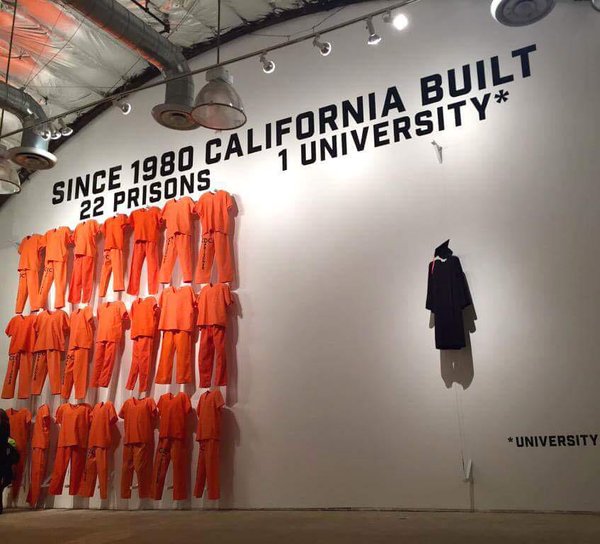
The laws strengthening criminal penalties drove a surge in the state’s prison population over 30 years, beginning in the 1970s. Under both Republicans and Democrats — including Kamala Harris, who became a prosecutor in 1990 — a tough-on-crime political culture flourished in California, and African Americans were hit hardest: Their incarceration rate remains more than five times their share of California’s population.
The crackdown on crime swept most of the country, but California stood out as one of the most aggressive states. Only recently has it begun shedding its lock-’em-up mind-set.
 Hellbound and Down
You must be logged in to post a comment.