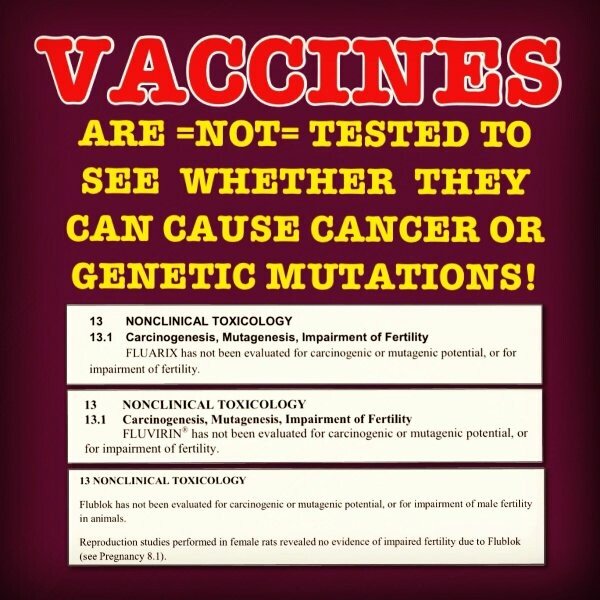
Another little fact about vaccines…


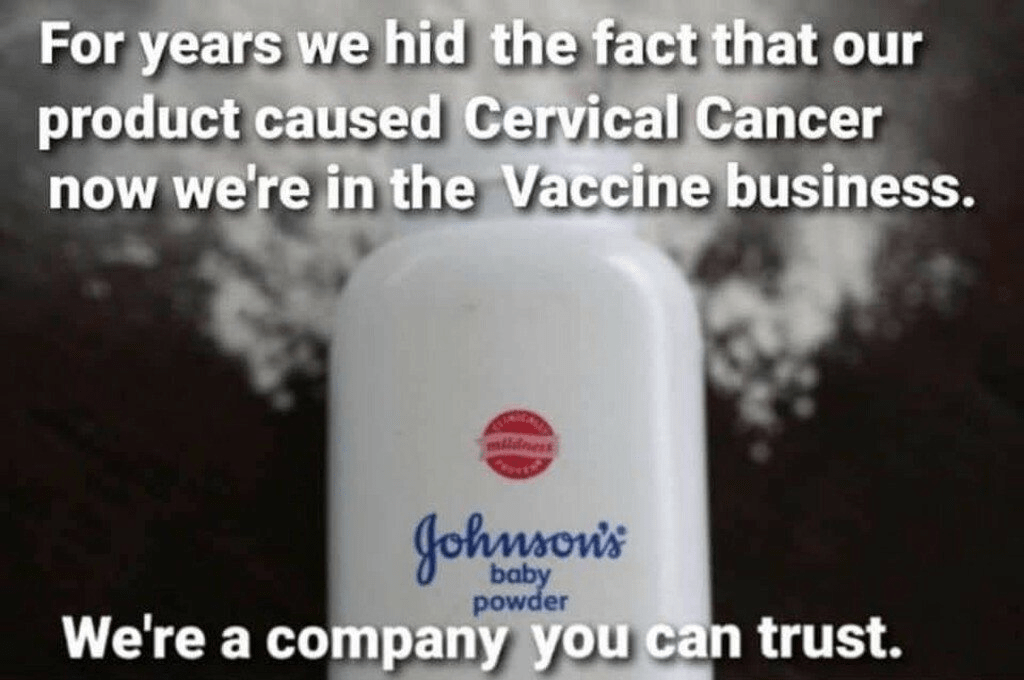
Uğur Şahin and Özlem Türeci, the husband and wife team who founded German pharma firm BioNTech, were studying a potential vaccine for tumors using a novel technology known as messenger RNA (mRNA) when they learned about a new type of coronavirus spreading in China in January 2020.
The couple decided to investigate the possibility of making a vaccine for that mysterious and highly contagious virus using mRNA. Within weeks, BioNTech scientists developed an experimental vaccine in partnership with American pharma giant Pfizer. And 10 months later, the vaccine cleared clinical trials and regulatory hurdles and began going into tens of millions of people’s arms around the world.
For Şahin and Türeci, it’s time to pick up the cancer research where it’s left.
“We have several different cancer vaccines based on mRNA,” Türeci told The Associated Press in an interview on Friday. Though it’s too early to predict when such a vaccine will be available, the prospect is promising. “It’s very difficult to predict in innovative development. But we expect that within only a couple of years,” Türeci added.
The biotech community has been studying mRNA for two decades. The medical platform works by carrying instructions for making antigen proteins found on the surface of a virus into body cells. The antigen will then be copied and produced in more cells to prime the immune system against that specific virus.
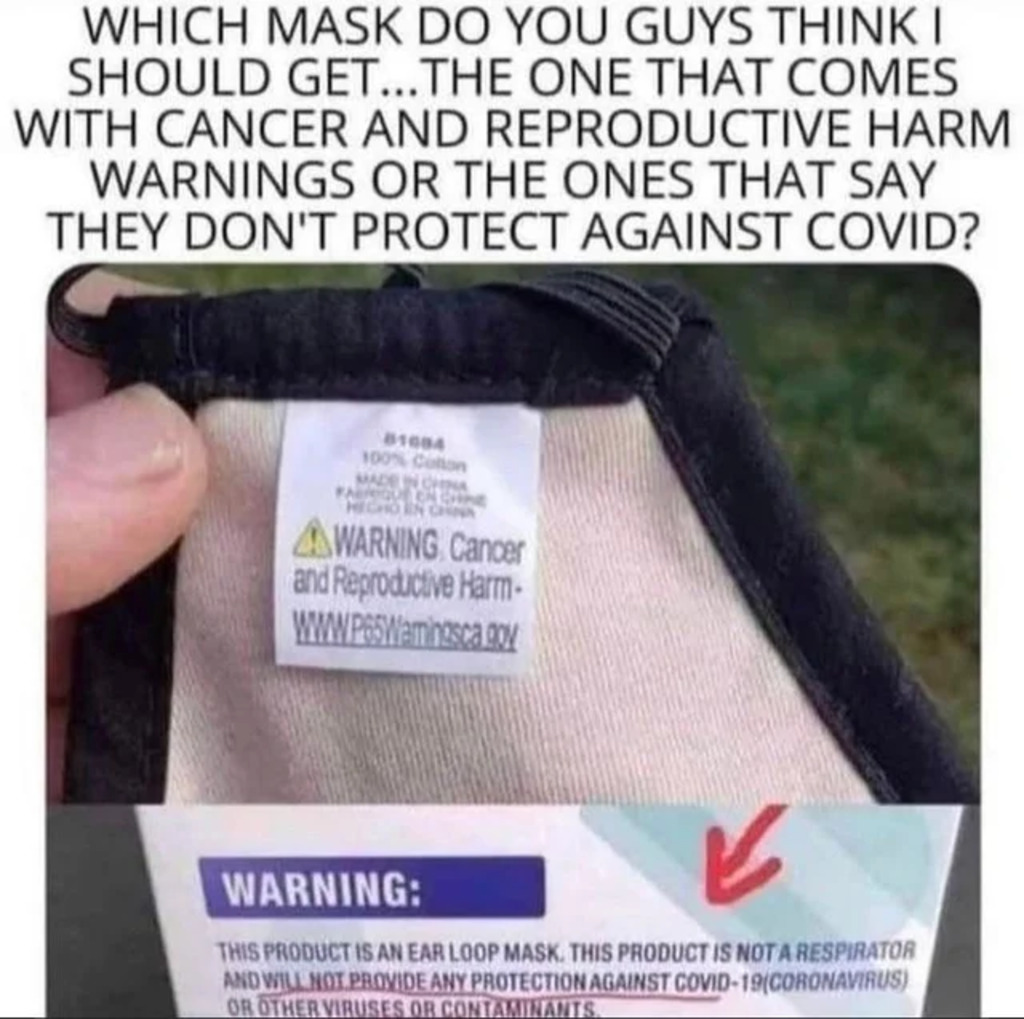
A recent study in the journal Cancer Discovery found that inhalation of harmful microbes can contribute to advanced stage lung cancer in adults. Long-term use of face masks may help breed these dangerous pathogens.
Microbiologists agree that frequent mask wearing creates a moist environment in which microbes are allowed to grow and proliferate before entering the lungs. Those foreign microbes then travel down the trachea and into two tubes called the bronchi until they reach small air sacks covered in blood vessels called alveoli.
“THE LUNGS WERE LONG THOUGHT TO BE STERILE, BUT WE NOW KNOW THAT ORAL COMMENSALS–MICROBES NORMALLY FOUND IN THE MOUTH–FREQUENTLY ENTER THE LUNGS DUE TO UNCONSCIOUS ASPIRATIONS.” – LEOPOLDO SEGAL, STUDY AUTHOR AND DIRECTOR OF THE LUNG MICROBIOME PROGRAM AND ASSOCIATE PROFESSOR OF MEDICINE AT NEW YORK UNIVERSITY GROSSMAN SCHOOL OF MEDICINE
According to the study, after invading the lungs these microbes cause an inflammatory response in proteins known as cytokine IL-17.
“GIVEN THE KNOWN IMPACT OF IL-17 AND INFLAMMATION ON LUNG CANCER, WE WERE INTERESTED IN DETERMINING IF THE ENRICHMENT OF ORAL COMMENSALS IN THE LUNGS COULD DRIVE AN IL-17-TYPE INFLAMMATION AND INFLUENCE LUNG CANCER PROGRESSION AND PROGNOSIS,” SAID SEGAL.
While analyzing lung microbes of 83 untreated adults with lung cancer, the research team discovered that colonies of Veillonella, Prevotella, and Streptococcus bacteria, which may be cultivated through prolonged mask wearing, are all found in larger quantities in patients with advanced stage lung cancer than in earlier stages. The presence of these bacterial cultures is also associated with a lower chance of survival and increased tumor growth regardless of the stage.Corona Mask Mandates: Science or Political Dogma?
Additionally, research into the cultivation of Veillonella bacteria in the lungs of mice found that the presence of such bacteria leads to the emergence of immune suppressing cells as well as inflammatory ones such as cytokine IL-17.
A cancer charity started by Joe Biden gave out no money to research, and spent most of its contributions on staff salaries, federal filings show.
The Biden Cancer Initiative was founded in 2017 by the former vice president and his wife Jill Biden to “develop and drive implementation of solutions to accelerate progress in cancer prevention, detection, diagnosis, research and care and to reduce disparities in cancer outcomes,” according to its IRS mission statement. But it gave out no grants in its first two years, and spent millions on the salaries of former Washington DC aides it hired.
The charity took in $4,809,619 in contributions in fiscal years 2017 and 2018, and spent $3,070,301 on payroll in those two years. The group’s president, Gregory Simon, raked in $429,850 in fiscal 2018 (July 1, 2018 to June 30, 2019), according to the charity’s most recent federal tax filings.
Chloroquine (CQ) and hydroxychloroquine (HCQ) are well-known 4-aminoquinoline antimalarial agents. Scientific evidence also supports the use of CQ and HCQ in the treatment of cancer. Overall, preclinical studies support CQ and HCQ use in anti-cancer therapy, especially in combination with conventional anti-cancer treatments since they are able to sensitise tumour cells to a variety of drugs, potentiating the therapeutic activity. Thus far, clinical results are mostly in favour of the repurposing of CQ. However, over 30 clinical studies are still evaluating the activity of both CQ and HCQ in different cancer types and in combination with various standard treatments. Interestingly, CQ and HCQ exert effects both on cancer cells and on the tumour microenvironment. In addition to inhibition of the autophagic flux, which is the most studied anti-cancer effect of CQ and HCQ, these drugs affect the Toll-like receptor 9, p53 and CXCR4-CXCL12 pathway in cancer cells. In the tumour stroma, CQ was shown to affect the tumour vasculature, cancer-associated fibroblasts and the immune system. The evidence reviewed in this paper indicates that both CQ and HCQ deserve further clinical investigations in several cancer types. Special attention about the drug (CQ versus HCQ), the dose and the schedule of administration should be taken in the design of new trials.

 Hellbound and Down
You must be logged in to post a comment.