Amirite?


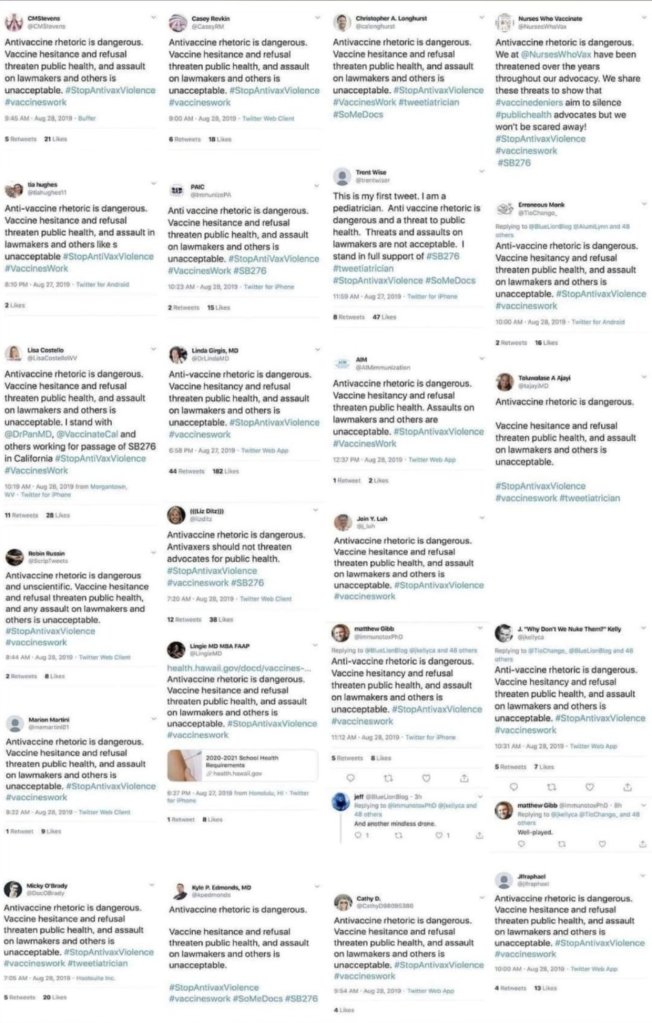
Britain’s top counter-terrorism officer today called for a nationwide debate on the introduction of new laws to punish people who spread anti-vaccination conspiracy theories.
Met Assistant Commissioner Neil Basu said that there should be a discussion about whether it is “the correct thing for society to allow” people to spread “misinformation that could cost people’s lives” as he responded to concern that false claims online could undermine the take up of Covid-19 vaccines.
Mr Basu stopped short of endorsing the idea of a new law but his intervention will strengthen pressure on ministers to act against conspiracy theorists making false claims about the vaccines.
“There is a debate for society to have about free speech and responsibility and people who are spreading misinformation that could cost people’s lives… whether that is the correct thing for this society to allow to happen,” said Mr Basu.
Officials said that one reason for Mr Basu’s concern was that Islamist and far-Right groups were using false claims about coronavirus to radicalise followers.


Spreading anti-vaccine conspiracy theories online should be a crime, according to some of Britain’s top scientists.
The Royal Society and British Academy institutions have together called for laws to be drawn up about spreading bogus claims about vaccination on the internet.
A huge leap forward in the fight against coronavirus was announced yesterday when it emerged that a Covid-19 jab being developed by Pfizer and BioNTech appears to be 90 per cent effective and could be given to members of the public next month.
But experts fear lies about the vaccine spreading online will put people off getting the jab, and surveys have found that more than a third of Brits already say they are unlikely to have it.
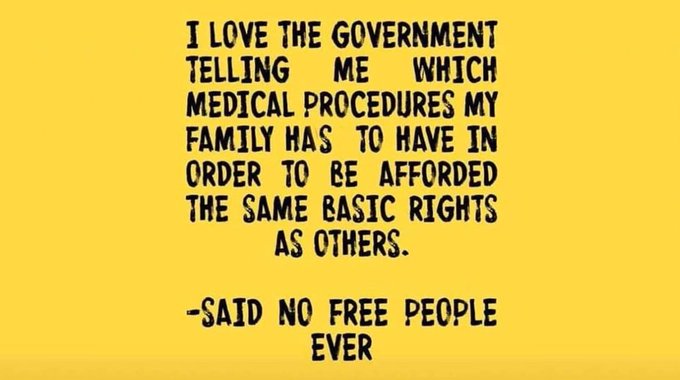
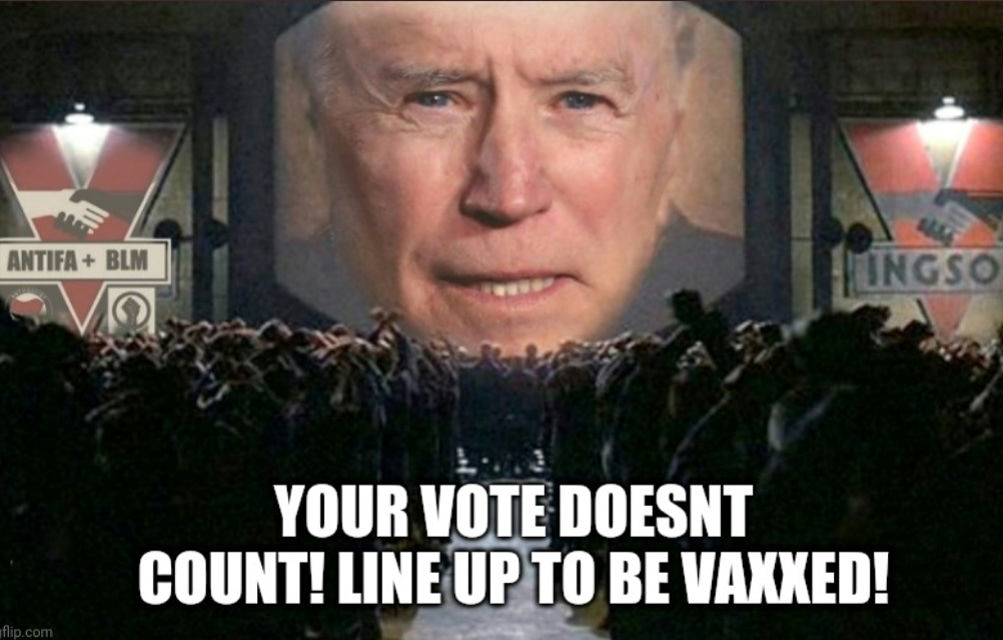
The New York State Bar Association on Saturday passed a resolution urging the state to consider making it mandatory for all New Yorkers to undergo COVID-19 vaccination when a vaccine becomes available, even if people object to it for “religious, philosophical or personal reasons.”
The resolution, which was passed by a majority of the bar association’s 277-member House of Delegates, includes conditions limiting its scope. Those include that the state government should only consider making vaccinations mandatory if voluntary COVID-19 vaccinations fall short of producing needed levels of population immunity; that an assessment of the health threat to various communities be made so that perhaps the mandate can be targeted; and that a mandate only be considered after there is expert consensus about the vaccine’s safety and efficacy.
In a statement Saturday afternoon, Mary Beth Morrissey, chair of the bar association’s Health Law Section’s Task Force on COVID-19, which in May released a controversial report that had first proposed the idea of a vaccine mandate, said, “The authority of the state to respond to a public health crisis is well-established in constitutional law,”
“In balancing the protection of the public’s health and civil liberties, the Public Health Law recognizes that a person’s health can and does affect others,” said Morrisey, a lawyer who also holds a doctorate degree in gerontological social work research.
The Health Law Section’s May report generated an uproar online, over the spring and summer, among anti-vaccine groups and lawyers who represent people injured by vaccines. But the relevant part of the 83-page report proposing a vaccine mandate was broader in scope, and more direct, than the resolution passed by the bar association Saturday. And most of the conditions contained in the resolution had not been contained in the report.
The report had recommended that it should be mandatory for all Americans to undergo COVID-19 vaccination, despite people’s objections, with the one exception being doctor-ordered medical reasons. There had been no language about a mandate being limited to New York state residents, and no language saying a public recommendation made to the state government should only be for it to “consider” a mandate.


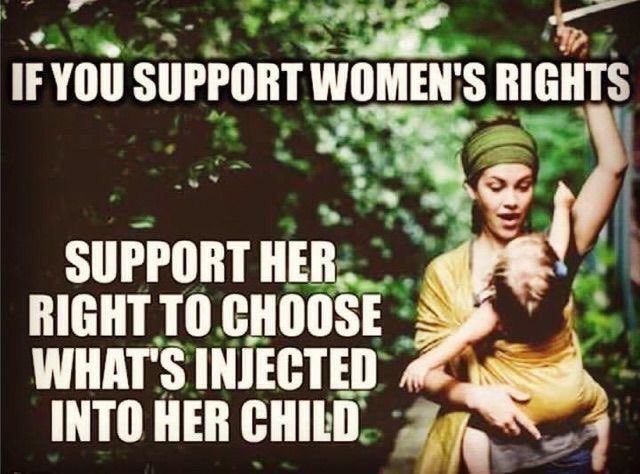
Jorgensen last night volunteered the latter as an example of the type of “personal decision” best left to individuals, rather than determined via the political process. So I asked her whether, philosophically, she considered it wise for public schools to require children be vaccinated as a condition for enrollment.
“I think it is immoral,” she responded. Then, after noting that she personally has chosen to vaccinate her family, Jorgensen contrasted vaccination policy with the types of prohibitions Libertarians have long opposed—on drugs, gambling, vaping, consensual sex transactions, and so on.

You must be logged in to post a comment.