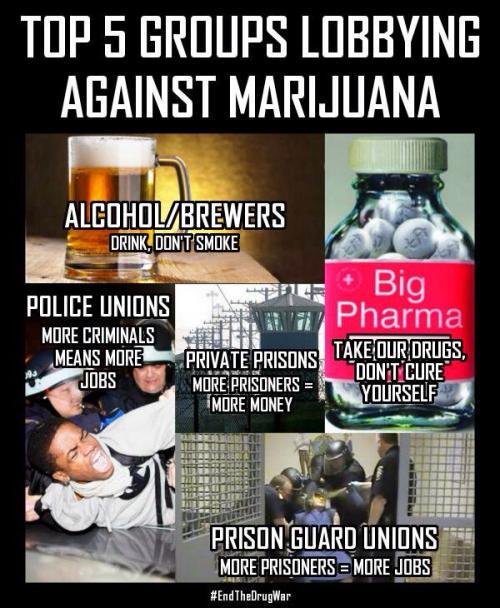
Top 5 villains in the war against marijuana…

The Swine Flu Program was marred by a series of logistical problems ranging from the production of the wrong vaccine strain to a confrontation over liability protection to a temporal connection of the vaccine and a cluster of deaths among an elderly population in Pittsburgh. The most damning charge against the vaccination program was that the shots were correlated with an increase in the number of patients diagnosed with an obscure neurological disease known as Guillain–Barré syndrome (1).
Last week we warned readers to be cautious about new COVID-19 vaccines, highlighting how key parts of the clinical trials are being skipped as big pharma will not be held accountable for adverse side effects for administering the experimental drugs.
A senior executive from AstraZeneca, Britain’s second-largest drugmaker, told Reuters that his company was just granted protection from all legal action if the company’s vaccine led to damaging side effects.

AstraZeneca has been granted protection from future product liability claims related to its COVID-19 vaccine hopeful by most of the countries with which it has struck supply agreements, a senior executive told Reuters.
With 25 companies testing their vaccine candidates on humans and getting ready to immunise hundred millions of people once the products are shown to work, the question of who pays for any claims for damages in case of side effects has been a tricky point in supply negotiations.
“This is a unique situation where we as a company simply cannot take the risk if in … four years the vaccine is showing side effects,” Ruud Dobber, a member of Astra’s senior executive team, told Reuters.
“In the contracts we have in place, we are asking for indemnification. For most countries it is acceptable to take that risk on their shoulders because it is in their national interest,” he said, adding that Astra and regulators were making safety and tolerability a top priority.
Dobber would not name the countries.
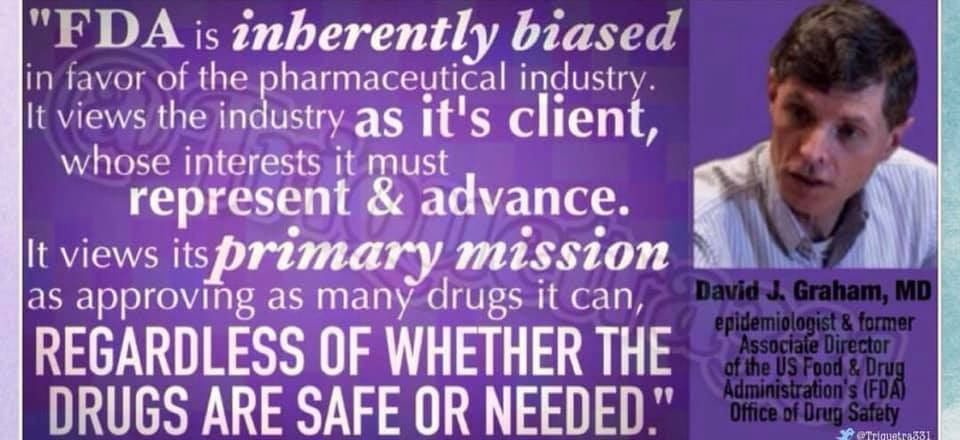

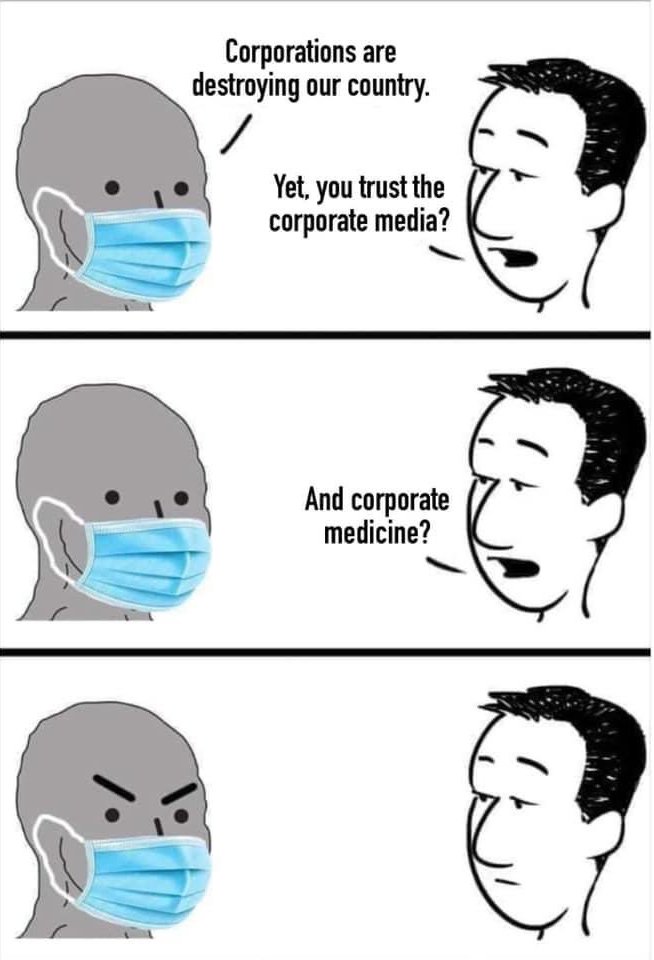
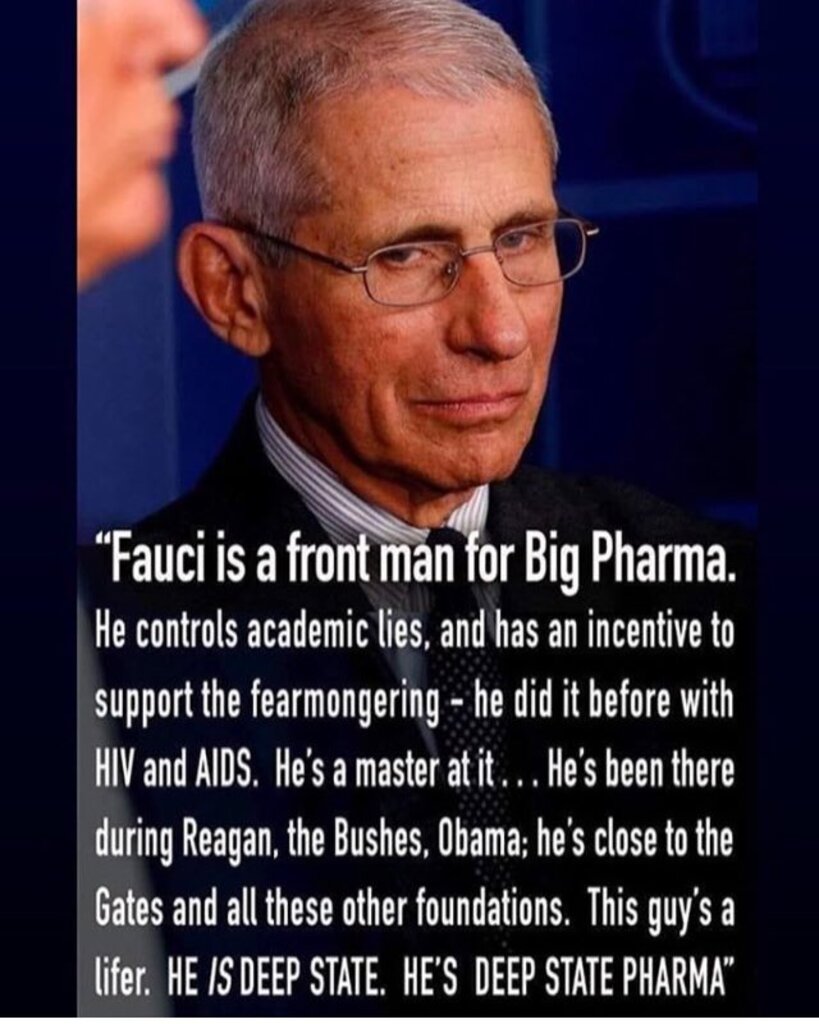
If you’ve watched the news lately, you might be under the impression that a medicine President Trump touted as a possible game changer against coronavirus — has been debunked and discredited. Two divergent views of the drug, hydroxychloroquine, have emerged: the negative one widely reported in the press and another side you’ve probably heard less about. Never has a discussion about choices of medicine been so laced with political overtones. Today, how politics, money and medicine intersect with coronavirus.
 Hellbound and Down
You must be logged in to post a comment.