
Disposable medical masks (also known as surgical masks) are loose-fitting devices that were designed to be worn by medical personnel to protect accidental contamination of patient wounds, and to protect the wearer against splashes or sprays of bodily fluids (36). There is limited evidence for their effectiveness in preventing influenza virus transmission either when worn by the infected person for source control or when worn by uninfected persons to reduce exposure. Our systematic review found no significant effect of face masks on transmission of laboratory-confirmed influenza.
Author: HP McLovincraft
Seeker of rabbit holes. Pessimist. Libertine. Contrarian. Your huckleberry. Possibly true tales of sanity-blasting horror also known as abject reality. Prepare yourself. Veteran of a thousand psychic wars. I have seen the fnords. Deplatformed on Tumblr and Twitter.
Hollyweirdness…

Dave McGowan’s ‘Wagging the Moondoggie’
Perhaps the best expose on the moon landing hoax ever written.
Nietzsche on waking up…

The internet of opinions…

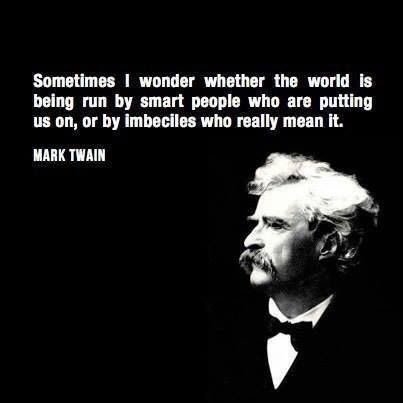
Mark Twain on the powers that be…
Jacques Prevert on truth and freedom…
“When truth is not free, freedom is not true.”
Jacques Prevert
The absurdity of modern warfare…

I pledge allegiance to the mask…

How the Military Ran Its 1970s Psychic Intelligence Program—Many Memos, Naturally
FOR DECADES DURING THE COLD War and into the 1990s, the United States military ran a program that used “psychoenergetics”–psychokinesis, telepathy, and, most prominently in this case, “remote viewing”–to collect intelligence.
This isn’t some clever promotion for the new X-Files. The collection of records on the program released by the National Security Archive has recently expanded to 51 separate documents. As befitting a government agency, many lay out the incredibly weird protocols of psychic espionage in boring memos, endless strings of acronyms, and, of course, budget analysis.
The program (or programs, as the collection of different psychic efforts had many different names over the years) developed an emphasis on remote viewing, which involves using psychic powers to somehow see something in a place away from where you actually are located. This began after early experimenters in the 1970s were able to provide detailed information about a Soviet R&D facility. After that, the military fielded a secret remote viewing team for years.
 Hellbound and Down
You must be logged in to post a comment.