
In a better world, people would cultivate virtue and develop habits of right action, practicing them regardless of external pressures. But we don’t live in that world. For most, concepts like honor and morality emerge from community, not individual will. These vital, pro-social behaviors rely on constant reinforcement by others. When daily life consists of anonymous, disconnected interactions, it becomes easier to justify selfishness. But when people must live among and depend on those who observe and remember how they behave, accountability shapes conduct.
Social norms depend heavily on the expectation of repeated interactions — what game theorists call “iterated games.” A functioning society requires widespread cooperation. When people believe they benefit more by acting selfishly than by cooperating, social cohesion begins to unravel. In one-time interactions, the incentive to cheat or defect rises sharply. One can gain an immediate advantage with little risk of social or material consequences.
Carnival workers and traveling merchants were once known for scamming customers. Sailors and touring rock musicians were infamous for defiling the honor of the daughters of the town. These groups operated without accountability because they never had to face the communities they affected. Their minimal connection to others reduced the costs of antisocial behavior and encouraged defection.
Today, we see a broader breakdown of communal life. We’ve fragmented communities, commodified identity, and isolated individuals. In doing so, we’ve eroded shared moral standards and stripped away even the basic incentives to cultivate virtue.
As a colleague recently observed, communal gatherings used to serve as informal “wellness checks.” Church, for example, grounded both cultural norms and moral expectations. It also required people to present themselves before others. Even atheists or agnostics often showed up on Sunday mornings — not for faith but to signal solidarity and demonstrate their role as contributing members of the community.
Churches noticed what others missed. Underfed or unwashed children caught someone’s eye. A hungover woman felt the weight of disapproval. An unfaithful man encountered the quiet judgment of those around him. These small acts of social accountability reinforced a shared moral order.
For most of history, individual independence was difficult, if not impossible. People relied on their communities for safety, food, education, goods, and entertainment. In many ancient societies, exile was tantamount to a death sentence. Some preferred suicide to being cast out. Reputation and honor mattered more than money because survival depended on others’ trust. A man’s worth reflected the number of relationships he had managed honorably over time.
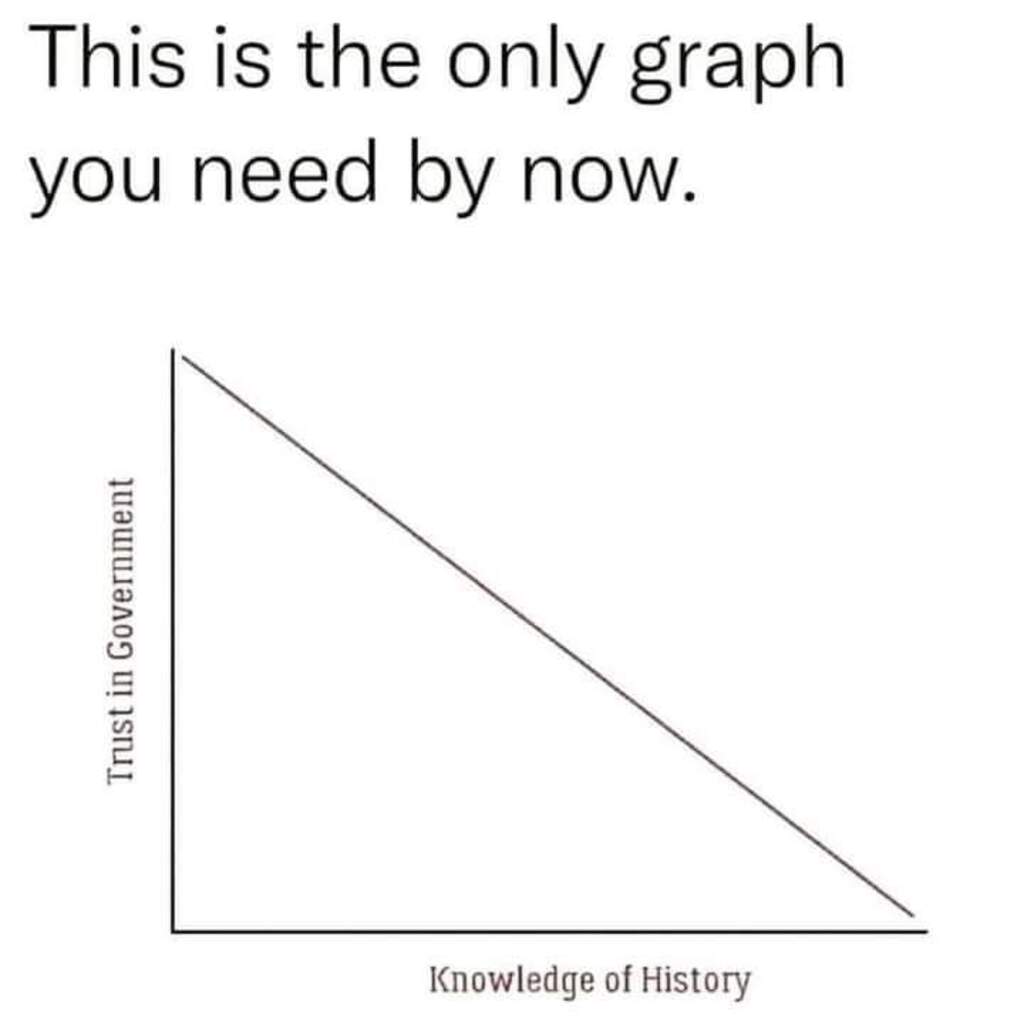
Today, people can meet most of their basic needs without relying on others. That shift creates the illusion of freedom, but in reality, it has replaced dependence on community with dependence on the state.
Now, instead of interacting face-to-face within tight-knit communities, we operate as isolated individuals within anonymous digital spaces. Functions once performed by churches and neighborhoods have shifted to malls and bureaucracies. But social correction — once a communal responsibility — has become taboo. Attempting to help or intervene risks public shaming as a so-called “Karen” on social media.
The best social worker, no matter how dedicated, cannot match the quiet authority of vigilant grandmothers. And as that kind of local, relational accountability fades, the consequences grow harder to ignore.




 Hellbound and Down
You must be logged in to post a comment.