
Next time things will get better…

Nancy Pelosi was captured saying that she loves to “eat at 5:30, like a peasant,” revealing her disdain for everyday Americans.
It is not known when Pelosi made the statement, but the audio was shared widely Wednesday.
Pelosi is heard in the recording declaring that because she is from Baltimore she likes to have dinner earlier, where as her husband from San Francisco dines with the elites later in the evening.
“And to this day, my husband, Paul, who was born and raised in San Francisco – I was born and raised in Baltimore – to this day, he likes to dine at 8 and I like to eat at 5:30, like a peasant,” Pelosi said in the undated audio released by RNC Research.
Since the invasion of Ukraine began, manufacturers of doomsday bunkers have seen a massive spike in sales. This is typical during any crisis as people wait until the last minute to start preparing. What sets this rush toward prepping apart from ones in the past is the fact that the World Bank is warning against such actions — despite many of their elite friends doing exactly that.
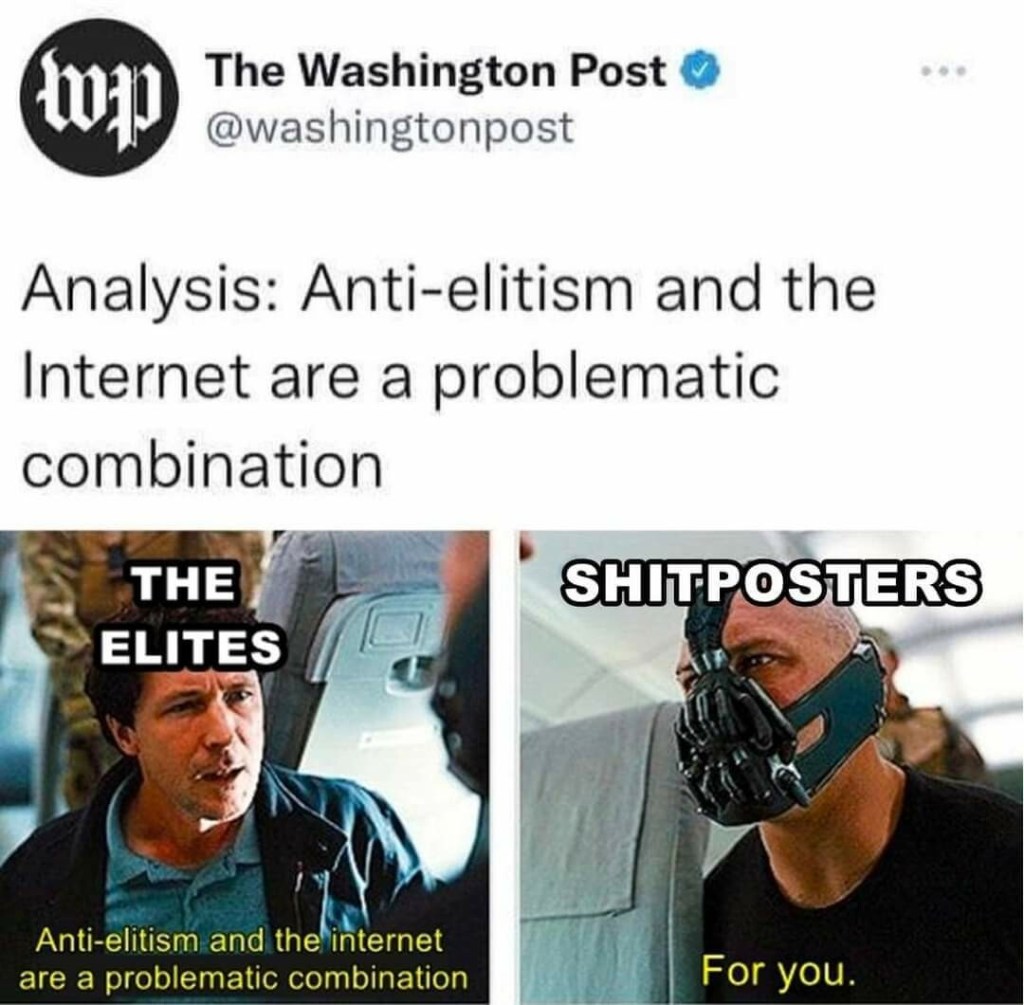
During a virtual event hosted by the Washington Post on Monday, World Bank President David Malpass told people not to store food or gasoline in spite of the massive spike in prices since the Russian invasion of Ukraine.
“The right thing to do in these current circumstances is not to go out and buy extra flour or extra gasoline, it’s to recognize that the world is a dynamic global economy and will respond. There’ll be enough to go around,” Malpass said.
Malpass’ intentions are clear — don’t create fear to further hurt the supply chain. But it is too late for that and people should definitely be preparing. In fact, it may be too late.
While high prices and inflation are being blamed on Russia, it is important to point out that we have been headed in this direction well before the invasion. Russia was just an easy scapegoat.
While the president blames high prices on “corporate greed” and the Federal Reserve blames supply chain dysfunction, no one is looking at the elephant in the room — massive expansion of the money supply and insane deficit spending which has reached historical proportions in the last two years.





The pandemic has made the world’s wealthiest richer but led to more people living in poverty, according to the charity Oxfam.
Lower incomes for the world’s poorest contributed to the death of 21,000 people each day, its report claims.
But the world’s 10 richest men have more than doubled their collective fortunes since March 2020, Oxfam said.
Oxfam typically releases a report on global inequality at the start of the World Economic Forum meeting in Davos.
That event usually sees thousands of corporate and political leaders, celebrities, campaigners, economists and journalists gather in the Swiss ski resort for panel discussions, drinks parties and schmoozing.
However for the second year running, the meeting (scheduled for this week) will be online-only after the emergence of the Omicron variant derailed plans to return to an in-person event.
 Hellbound and Down
You must be logged in to post a comment.