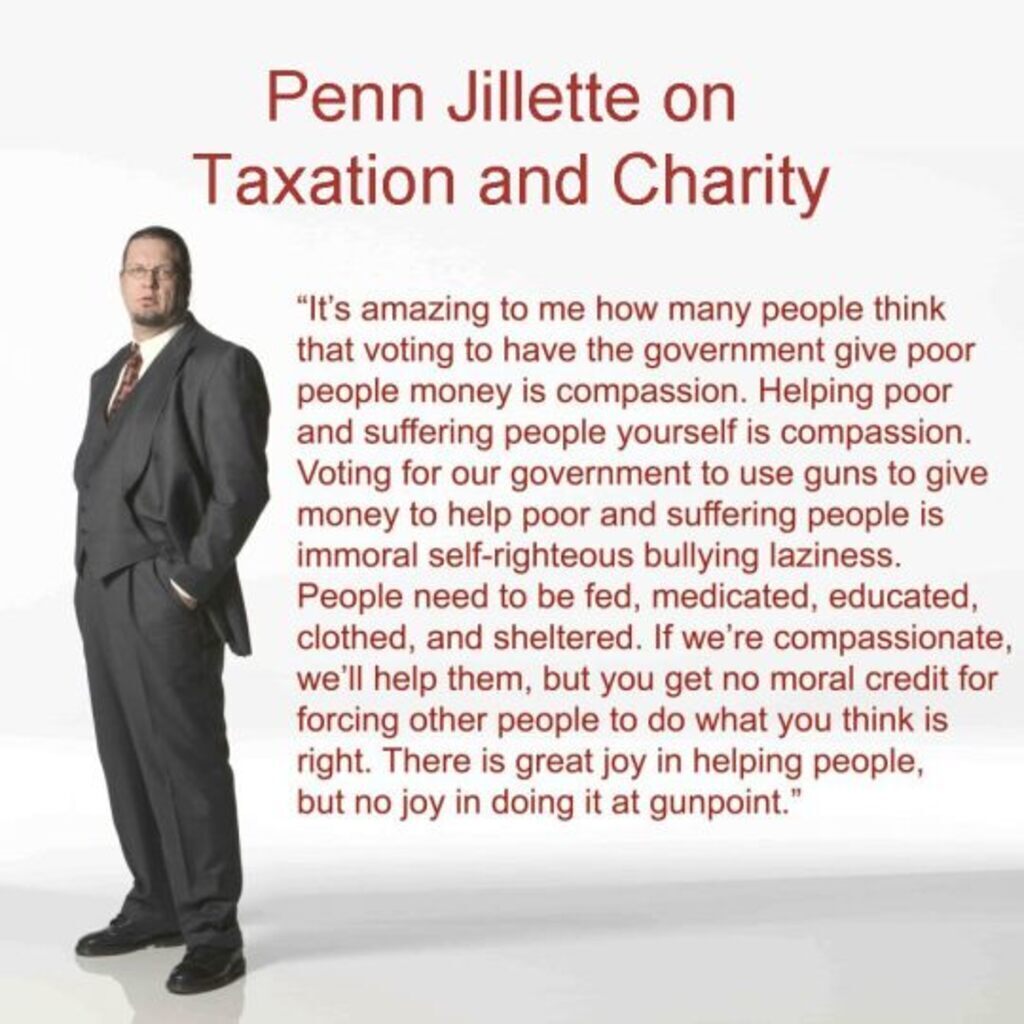
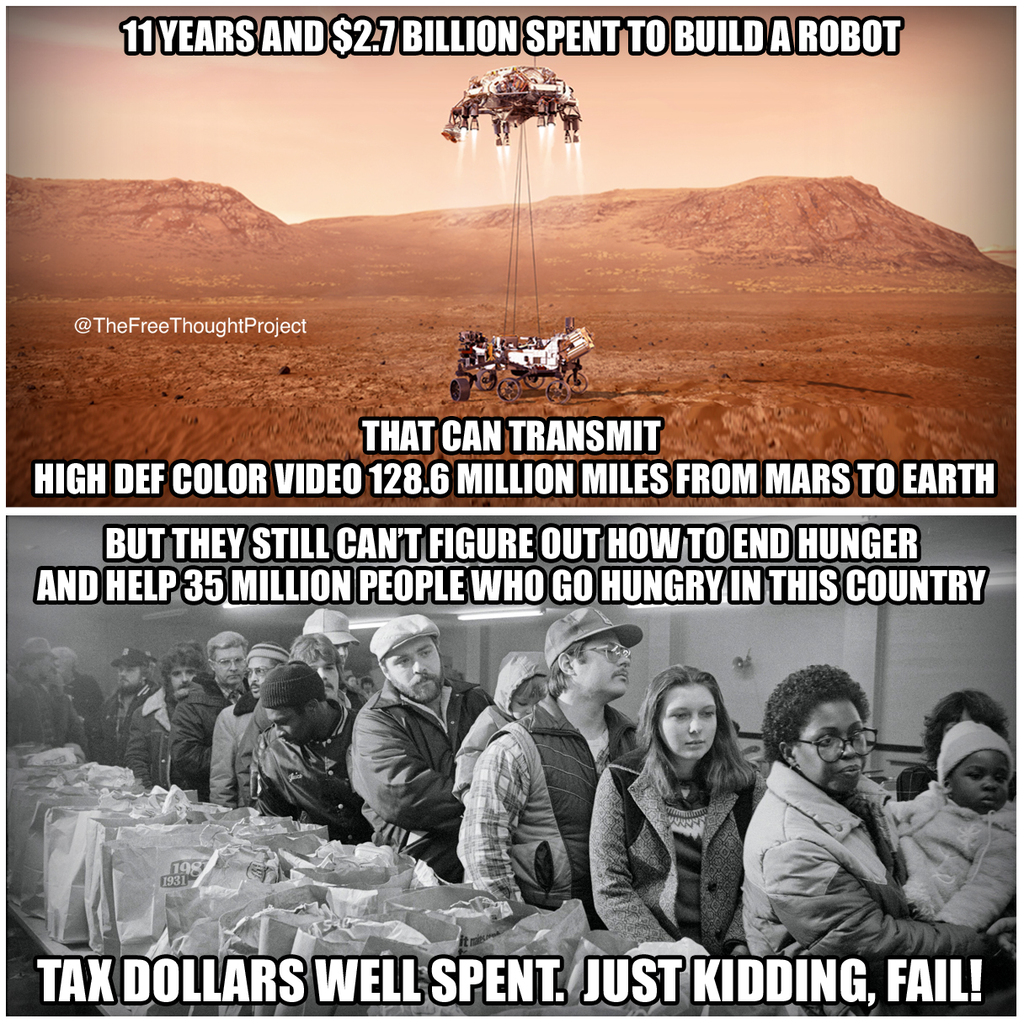
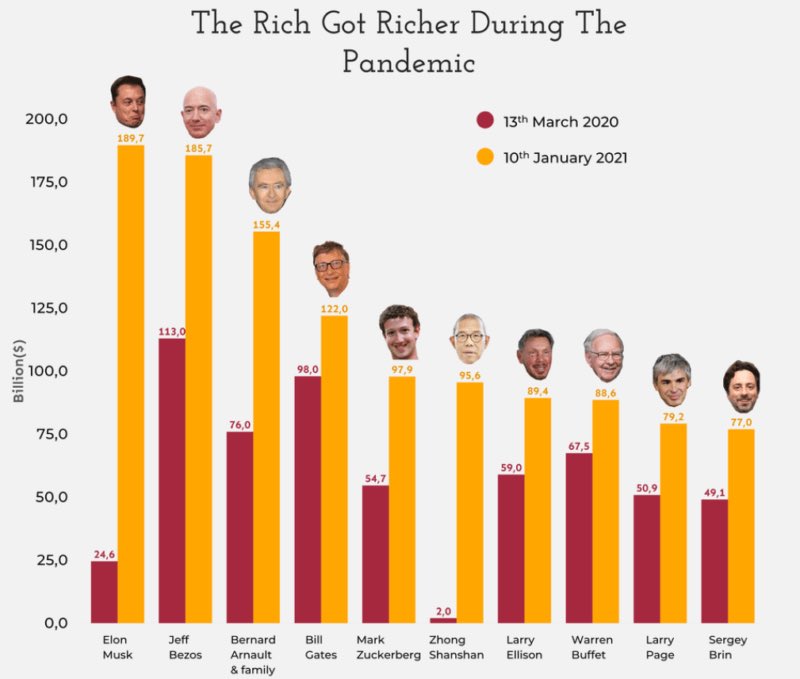
Virtueless signals…


The question is not whether we need better transportation infrastructure, it’s how to pay for it. And an increase to the federal gas tax should be out of the question.
Gas taxes (both those imposed federally or at the state level) are regressive. Regressive tax structures are those that, when applied uniformly, take a larger percentage of income from low earners than high earners. A progressive tax, in contrast, is one that takes a larger percentage of income from high earners than others.
The liberal-leaning Massachusetts Budget and Policy Center reports that gas taxes hit low and moderate income earners the hardest, especially those who live in rural areas and may drive long-distances for basic supplies.
The impact of this tax on the poor and middle income earners is not negligible. For the vast majority of Americans, transportation is an essential good that ensures they can get to work, take their kids to school, go to the doctor, or convene with their bodies of faith.

A hike in the tax on gasoline is one possible revenue burden facing American motorists, President Joe Biden’s secretary of transportation nominee Pete Buttigieg told a Senate panel on Thursday.
The revelation came after former South Bend (Indiana) Mayor Pete Buttigieg was asked by Republican Sen. Rick Scott of Florida during his confirmation hearing about possible tax hikes.
“I think all options need to be on the table,” Buttigieg said, according to Roll Call.
“As you know, the gas tax has not been increased since 1993, and it’s never been pegged to inflation, and that is one of the reasons why the current state of the Highway Trust Fund is that there’s more going out than coming in.”


It was always a possibility that Democrats would get too scared to halt a major Pentagon bill in order to help millions of Americans get $2,000 survival checks — in fact, as wewrote earlier this week, it was very likely that they would back down the moment any bad-faith critic so much as waved a flag and said “support the troops.”
And capitulation became even more likely when Clinton-era Treasury Secretary Larry Summers, corporate Democratic pundits and billionaire-owned elite media outlets began parroting a series of eerily similar let-them-eat-cake talking points against the survival checks — which McConnell promptly used to bludgeon proponents of the bipartisan initiative.
But even appreciating all of this — and also knowing that many Democratic leaders still cling to an outdated austerity ideology — the sheer scale of Wednesday’s Democratic surrender was truly a sight to behold. And it probably ended the chance for more immediate aid to millions of Americans facing eviction, starvation and bankruptcy.
It wouldn’t truly be the Christmas season here at Reason without a report about officials trying to shut down a project to help the needy. This year’s tale comes from Roslindale, a suburb of Boston.
There, as the coronavirus pandemic played out, residents looked for ways to help the needy in their neighborhood. A group of volunteers started putting together a community food pantry, salvaging groceries from local stores before they’d be tossed out as waste. A local therapist agreed to host the group’s fridge and freezer in her backyard. The group was serving more than 50 people every Friday.
Then local officials came calling. The Boston Inspectional Services Department warned the volunteers that they were operating an “illegal food pantry” and that they could, if they continued, face $1,000 fines and a year in prison.
In other cities, 64-square-foot aluminum and composite sheds are being used as quick and inexpensive emergency shelter for homeless people.
Not in Los Angeles. Here, plans to employ the minimalist structures, known as “tiny homes,” have blossomed into expensive development projects with access roads, underground utilities and concrete foundations — and commensurate planning delays.
At the city’s first tiny home village, scheduled to open in January, each of the 39 closet-sized homes is costing $130,000, about 10 times what some other cities are spending. Five more villages are planned to open later.
Mayor Eric Garcetti announced the program in March, signaling that the concept of sheltering people in tiny homes, long neglected in Los Angeles, had emerged as a leading strategy in the city’s response to a federal lawsuit alleging it has done too little to get homeless people off the streets.
He told the court that the city had purchased 50 of the prefab structures as the first installment of a plan to shelter homeless people in villages of tiny homes around the city.
You must be logged in to post a comment.