
Leavin’ on a jet plane…


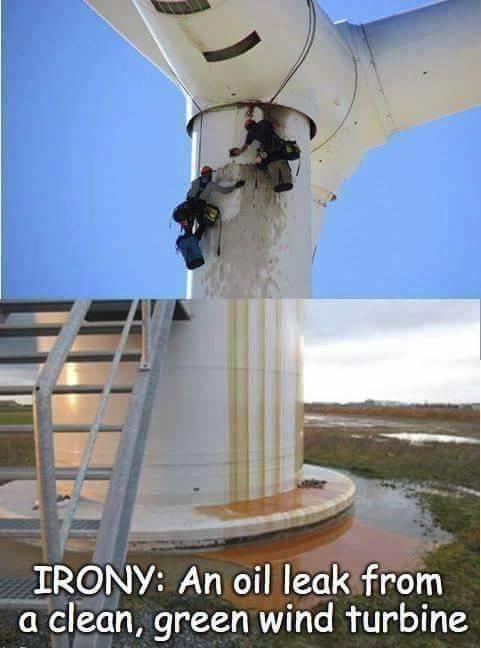
Most people seem to believe that wind and solar panels produce no waste and have no negative environmental impacts. Unfortunately, these people are wrong.
In reality, everything that humans do has an environmental impact, whether it be mining, using a coal-fired power plant, or even tourism. When it comes to energy and environmental policy, the real question to ask is not “will there be an impact?” but rather, “can the impacts be minimized?” and “do the benefits outweigh the costs?”
Because everything has an effect on the environment, it is important that everyone understands the impacts of all energy sources so we can make the best possible energy decisions. We are constantly making trade-offs in our lives whether we recognize it or not.



For months, we’ve seen face masks in places they shouldn’t be: storm drains, streets, beaches, and parks.
Now, we’re learning just how many could be flooding our oceans.
“Once plastic enters the marine environment, it’s very difficult to move,” said Dr. Teale Phelps Bondaroff, director of research for OceansAsia.
The marine conservation group has been tracking the number of face masks washing up on a remote island south of Hong Kong since the pandemic started.
“About six weeks after COVID hit Hong Kong, so late February, we began finding masks, and lots of masks,” said Bondaroff. “What’s remarkable is we weren’t finding face masks before COVID.”
Masks are made with polypropylene, which Bondaroff describes as thin fibers of plastic.
“The fact that we are starting to find masks that are breaking up indicates that this is a real problem, that microplastics are being produced by masks,” he said.
These tiny pieces of plastic can remain in the ocean for hundreds of years, threatening fish and even polluting the air.
“The question that we couldn’t answer was how many are entering our oceans? We just didn’t know,” said Dr. Bondaroff.
OceansAsia launched a study to find the answer and recently shared its findings.
Of the estimated 52 billion masks manufactured globally in 2020, it’s believed 1.56 billion will enter our oceans this year, resulting in an additional 4,680 to 6,240 metric tonnes of marine plastic pollution
 Hellbound and Down
You must be logged in to post a comment.