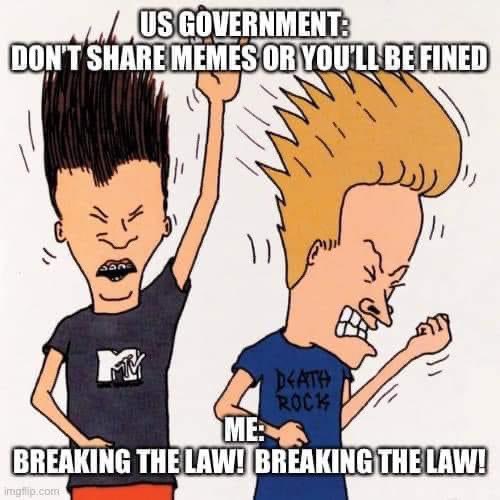
We’re all criminals soon…


Lawmakers in Congress are under fire from digital rights campaigners for embedding three controversial changes to online copyright and trademark laws into the must-pass $2.3 trillion legislative package—which includes a $1.4 trillion omnibus spending bill and a $900 billion Covid-19 relief bill—that could receive floor votes in the House and Senate as early as Monday evening.
The punitive provisions crammed into the enormous bill (pdf), warned Evan Greer of the digital rights group Fight for the Future, “threaten ordinary Internet users with up to $30,000 in fines for engaging in everyday activity such as downloading an image and re-uploading it… [or] sharing memes.”
While the citizenry had almost no time to process the actual contents of the 5,593 page legislative text, Greer said Monday afternoon that the CASE Act, Felony Streaming Act, and Trademark Modernization Act “are in fact included in the must-pass omnibus spending bill.”
As Mike Masnick explained in a piece at TechDirt on Monday:
The CASE Act will supercharge copyright trolling exactly at a time when we need to fix the law to have less trolling. And the felony streaming bill (which was only just revealed last week with no debate or discussion) includes provisions that are so confusing and vague no one is sure if it makes sites like Twitch into felons.
“The fact that these are getting added to the must-pass government funding bill is just bad government,” Masnick added. “And congressional leadership should hear about this.”
Congress looks to provide relief to U.S. citizens and small businesses, but the omnibus bill includes some legislative priorities for the entertainment industry as well.
Providing relief via direct assistance and loans to struggling individuals and businesses hit hard by COVID-19 has been a priority for federal lawmakers this past month. But a gigantic spending bill has also become the opportunity to smuggle in some other line items including those of special interest to the entertainment community.
Perhaps most surprising, according to the text of the bill being circulated, illegal streaming for commercial profit could become a felony.
It’s been less than two weeks since Senator Thom Tillis (R-NC) released his proposal to increase the penalties for those who would dare stream unlicensed works. In doing so, the North Carolina Senator flirted with danger. About a decade ago, Minnesota Senator Amy Klobuchar made a similar proposal before it ended up dying as people worried about sending Justin Bieber to jail. (No, seriously.) This time, Tillis’ attempt was winning better reviews for more narrowly tailoring the provisions towards commercial operators rather than users. That said, it’s had very little time to circulate before evidently becoming part of the spending package. If passed, illegal streaming could carry up to 10 years in jail.
That’s not the only copyright change either.
The spending bill also appears to adopt a long-discussed plan to create a small claims adjudication system within the U.S. Copyright Office.
Andrew Heasman was traveling from Dublin to Knock in the Republic of Ireland on July 14 to lay his relative to rest when he was asked by a bus driver to wear his mask properly.
Garda police officer Thomas Bowens told Castlebar District Court that Heasman was wearing his mask “like a hat” and refused to follow orders to cover his mouth and nose, prompting other passengers to exit the bus.
Mr Heasman told authorities he was medically exempt and that under data protection laws, he was not legally required to provide evidence.
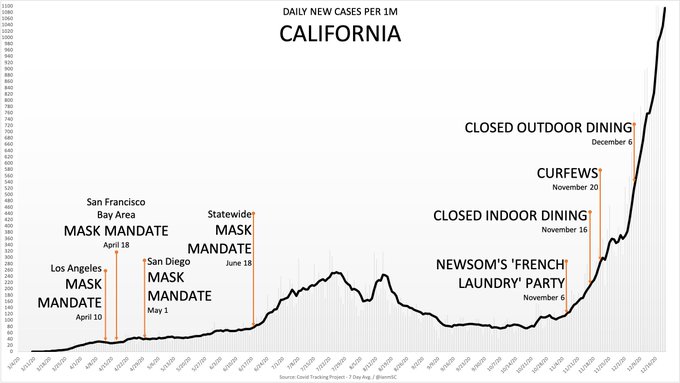
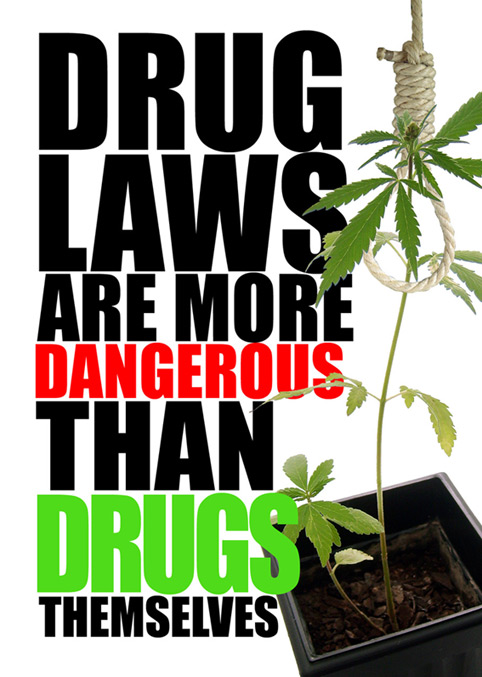
According to the most recent count of police killings, police in America have killed 1,039 people this year. Exactly 21 of these victims were at or under the age of 18 when their lives were taken by police officers who swore an oath to protect and serve. Many were unarmed while others were entirely innocent. All of them, however, were innocent until proven guilty — yet never got the option to plead their cases.
So far this year, there have only been 17 days in which police have not killed someone.
Perhaps the most-worn accessories of 2020, face masks mark an unexpected new constant in people’s lives providing necessary protection against COVID-19—but they’re also known to pose some trouble for contemporary facial recognition systems.
The Homeland Security Department, one of the government’s biggest biometrics systems users, is now steering research to confront the complexities limiting existing technology and help push forward tools to safely verify people’s identities at security checkpoints in a pandemic.
Initial results from one recent effort “are actually quite promising,” according to Arun Vemury, director of DHS’ Biometric and Identity Technology Center.
“We’re getting to the point with this technology, where at least from the preliminary results, it looks like there’s some combinations of biometric acquisition systems, the camera systems and the matching algorithms—when you combine them together, you could match eight or nine out of 10 people without asking them to remove their masks,” Vemury told Nextgov during a recent interview. “This means that for the vast majority of people in airports, they might not have to remove their masks anymore to even go through the security checks, and we could do a really good job of still matching them. So, I think it’s very promising from that perspective. Is it 100%? Is it perfect? No. But it reduces the number of people who potentially have to take their masks off.”
Biden, a young Senator from Delaware, had to do something to show that despite his “liberal” reputation, he could be just as tough on crime as his Republican colleagues. He took notice of the RICO law, and he realized that law enforcement agencies were not taking advantage of it, particularly in regards to the Drug War. He turned to the General Accounting Office and asked them to produce a study on the potential uses of RICO for drug enforcement.
The report showed that the RICO Act granted enormous powers to police to confiscate drug-related assets, but these powers were not being taken advantage of: “The government has simply not exercised the kind of leadership and management necessary to make asset forfeiture a widely used law enforcement technique,” the report stated. By the time the report came in, Ronald Reagan was settling into office and getting ready to wage a renewed War on Drugs.
Reagan brought the FBI into the Drug War, and he gave the director, William Webster, a mission. His agents would use the RICO Act powers to find drug rings and take away their assets. Drug cartels must be rendered unprofitable.
 Hellbound and Down
You must be logged in to post a comment.