
Heroic…

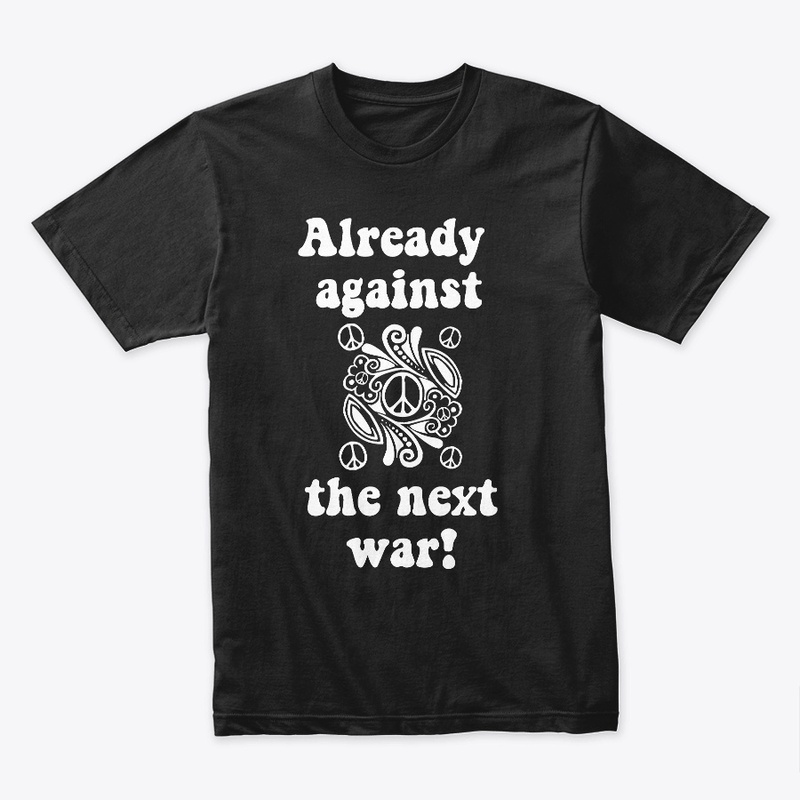
Get yours HERE!
Yesterday, in the US Senate Intelligence Committee hearing on global threats with the five heads of intelligence agencies of the US government, Senator Tom Cotton, accused on national TV a group I have worked with for over 20 years, CODEPINK: Women for Peace, of being funded by the Communist Party of China.
During the hearing CODEPINK activist Tighe Barry stood up following the presentation of the Director of National Security Tulsi Gabbard’s lengthy statement about global threats to US national security and yelled ‘Stop Funding Israel,’ since neither Intelligence Committee Chair Tom Cotton and Vice Chair Mark Warner had mentioned Israel in their opening statement nor had Gabbard mentioned the Israeli genocide of Palestinians in Gaza in her statement either.
As Capitol police were taking Barry out of the hearing room, in the horrific style of the McCarthy hearings in the 1950s, Cotton maliciously said that Barry was a “CODEPINK lunatic that was funded by the Communist party of China.” Cotton then said if anyone had something to say to do so.
Refusing to buckle or be intimidated by Cotton’s lies about the funding of CODEPINK, I stood up and yelled, “I’m a retired Army Colonel and former diplomat. I work with CODEPINK and it is not funded by Communist China.” I too was hauled out of the hearing room by Capitol police and arrested.
After I was taken out of the hearing room, Cotton libelously continued his McCarty lie, “The fact that Communist China funds CODEPINK which interrupts a hearing about Israel illustrates Director Gabbard’s point that China, Russia, Iran and North Korea are working together in greater concert than they ever had before.”
Senator Cotton does not appreciate the responsibility he has in his one-month-old elevation to the chair of the Senate’s intelligence committee.

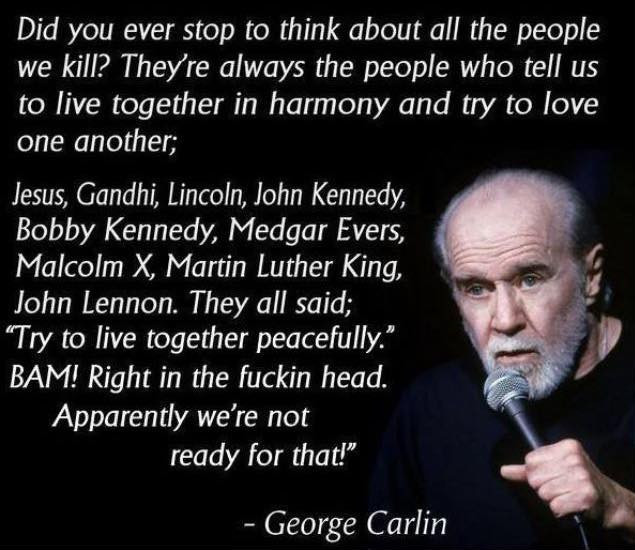

Get yours HERE!

Get yours HERE!
For the past several decades, as the leader of a unipolar world, all diplomatic pathways to peace went through Washington. Any negotiated settlement had to be an American led negotiated settlement. But enforcing hegemony means not being impartial. It means rewarding one side with weapons and diplomatic support and coercing the other with sanctions and the threat of war. Dreams of being an immortal hegemon have resulted in policies that led to the death of diplomacy. All diplomatic pathways may have gone through Washington, but few, if any, have arrived at peace.
But as the world slowly but inexorably evolves from unipolarity to multipolarity, multiple pathways to diplomacy and peace are also evolving. If enforcing hegemony means opposing and isolating enemies, resulting in blocs that prevent diplomatic talks and negotiated settlements, multipolarity means rejecting blocs and the requirement to align ideologically and consistently with a hegemon in favor of nurturing relationships with multiple countries based on particular issues. And maintaining relations with opposing countries means being able to talk to both sides and act as an honest mediator instead of as a dishonest and partial broker.
The birth of multipolarity is revealing emerging signs of an evolving diplomatic landscape in which powers other than the U.S. can play a role and influence diplomacy and negotiated settlements. China and Russia, the two countries most nurturing multipolarity, are two powers that are growing into that role.
In Ukraine, the U.S. has not only tried and failed at diplomacy, it has actively blocked it. It is China, China’s BRICS partner Brazil and its aspiring BRICS partner Turkey that have led the way in encouraging diplomacy. In the Middle East, U.S. diplomacy has been abysmal enough to have alienated much of the Global South that hungrily awaits multipolarity.
But there are small signs that the decades of American monopoly on stewardship of the Middle East are adjusting to the new multipolar reality. While the U.S. still dominates ceasefire discussions between Israel and Hezbollah in Lebanon, the involved parties have shown an interest in involving Russia, with Israel having asked Russia to participate in the discussions.
Interest in injecting Russia into the situation comes from fading U.S. hegemony and emerging multipolarity. Newsweek reports that the initiative comes “at a time when Washington’s leadership in the Middle East has been increasingly called into question” while Russia is “ a world power with ties to nearly every major stakeholder.”

Get it HERE…visit the Merch Shop for more designs!

 Hellbound and Down
You must be logged in to post a comment.