Truly…

A new Yahoo News/YouGov poll has found that just 42 percent of Americans say they plan to get a coronavirus vaccine when it becomes available.
The figure represents an all time low, having fallen from 55 percent in early May, 50 percent in late May, and 46 percent in July.

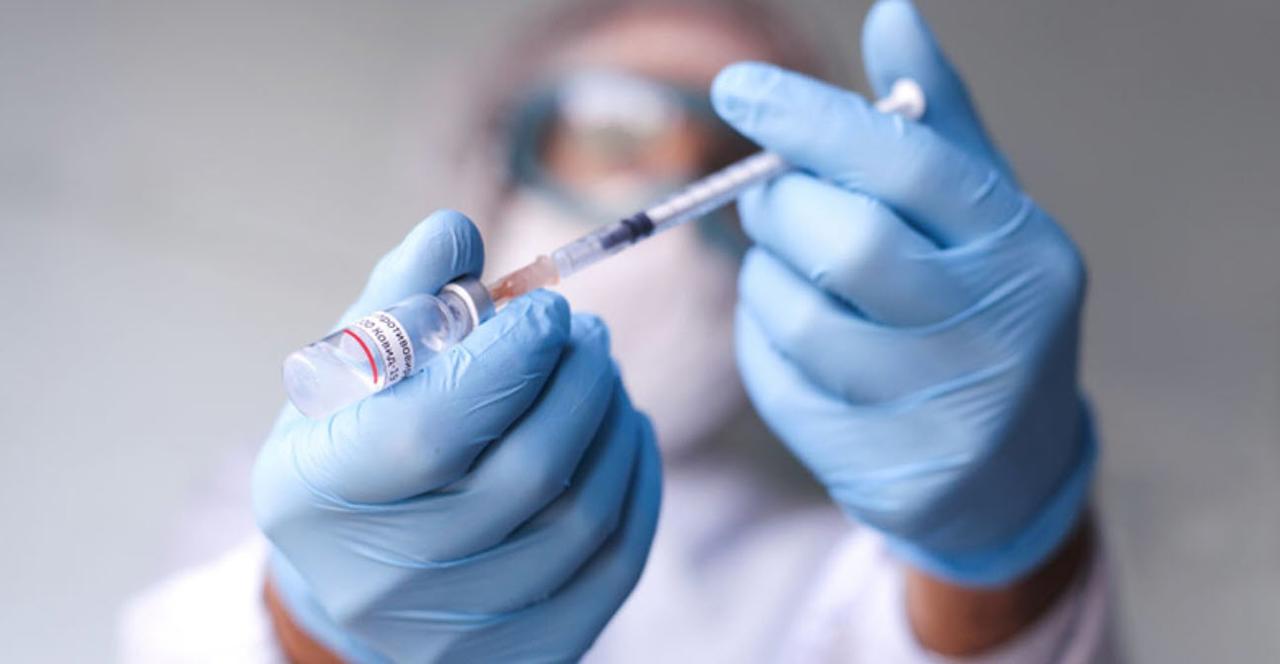
To anti-vaxxers, I have one message: our tolerance for your wilful ignorance is over. We cannot afford, morally or economically, to give any ground to those who choose not to be vaccinated against COVID-19.
Let me be clear. I’m not advocating that we vaccinate people against their will. That would be wrong. We must ensure that the safety of our community is the number one priority. That means that participation in everyday life cannot put others at risk. If you do not want to be vaccinated against COVID-19, you ought to bear the consequences of that decision.
As a community, we should consider to what extent we allow organisations to prevent those who object to being vaccinated against COVID-19 to enter their premises, participate in their activities and, in some circumstances, seek their employment.
Governments have gone some way to doing this by implementing policies such as withholding family tax benefits and preventing children from being accepted into childcare unless vaccinations are proven. Further restrictions would be a natural extension of these policies.
Restaurants could be allowed the right to refuse entry to those who are not vaccinated against COVID-19. Businesses, especially those involved in the care or service of vulnerable communities, might be allowed the right to refuse employment to those without a COVID-19 vaccination. Organisers of mass gatherings could deny the sale of tickets on this basis.
From mandatory masks to mandatory tests to mandatory track-and-trace, the roll-out is on. It’s been a big few days for the New Normal narrative and, through the deliberately cultivated haze of confusion, it’s not hard to see the world they want to build is taking shape.
When announcing the promising release of impending vaccines, World Health Organization Director General Tedros Adhanom Ghebreyesus told the media on Monday there is “no silver bullet at the moment — and there might never be.” One would expect his next sentence to say, “and therefore these measures really don’t work and are unsustainable so we need to go on with our lives and achieve herd immunity through healthier people.” Then he added the following: “The message to people and governments is clear: Do it all. And when it’s under control, keep going.”
In other words, control forever. This was never about waiting until a vaccine, which in itself was an unprecedent illogical strategy. The lockdowns and mask mandates are not viewed even as a means to an end or a necessary evil, but the end itself.
When announcing the immoral, illogical, and dangerous policy of mandating mask wearing on all school children in Ohio on Tuesday, Gov. Mike DeWine said, “That is what the norm should be.”

Sweden’s top epidemiologist says he sees “no point” in mandating masks in public across the country, which has seen its COVID-19 numbers plunge in recent months.
“With numbers diminishing very quickly in Sweden, we see no point in wearing a face mask in Sweden, not even on public transport,” Anders Tegnell said, according to Fortune.
Newsweek reports that as of Sunday, “the latest death rate in Sweden (deaths per 100,000 people) was reported to be 56.40. The figure is lower than that reported in the U.K. (69.60), Spain (60.88) and Italy (58.16), according to the latest report Sunday by Johns Hopkins University.”
“That Sweden has come down to these levels is very promising,” Tegnell told reporters in Stockholm on Tuesday. “The curves are going down and the curves for the seriously ill are beginning to approach zero.”
 Hellbound and Down
You must be logged in to post a comment.