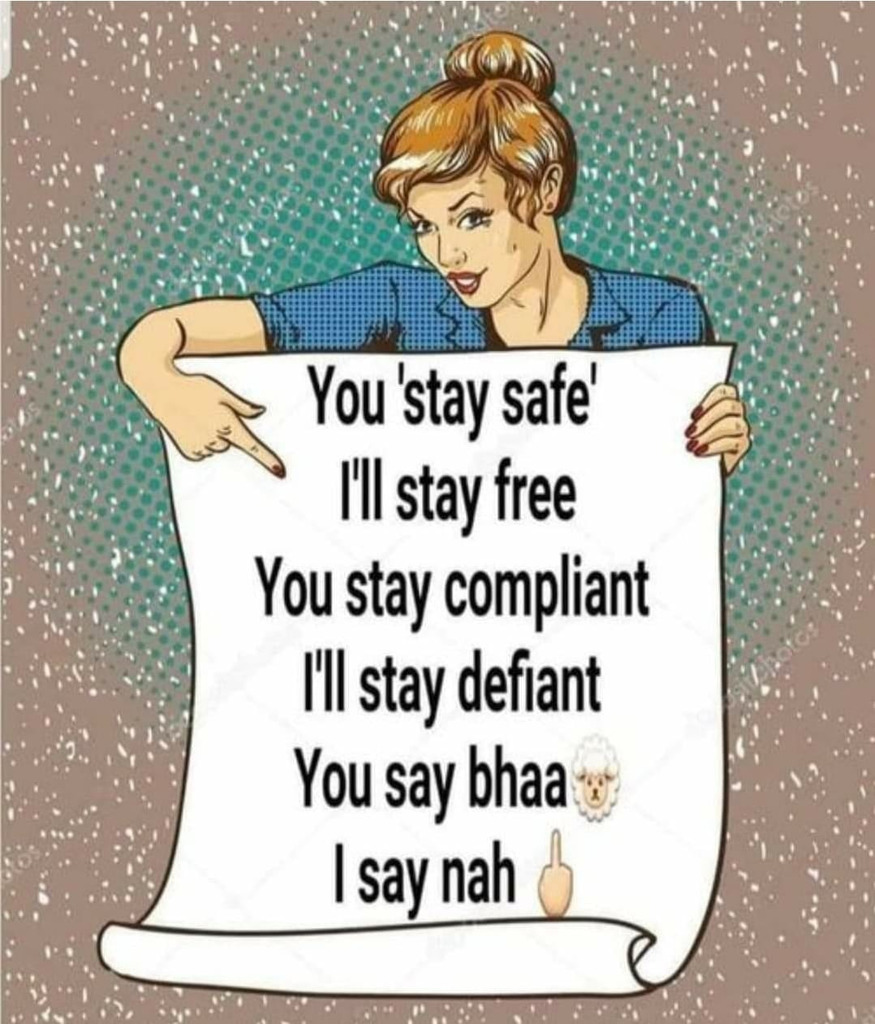
Say it with me…

The Democrat-dominated New York state Senate has passed a bill “allowing” government officials to throw people in concentration camps indefinitely if they are deemed to be a public health threat.
The next phase of the Wuhan coronavirus (Covid-19) plandemic, the legislation reflects what the Nazis did in World War II when they decided that human rights no longer apply during a “crisis.”
Should the bill get signed into law by Gov. Andrew Cuomo, even healthy people who are deemed to be “contagious” could be scooped up and thrown in prison camps for the “safety” of the general public.
Assembly Bill A416 “relates to the removal of cases, contacts and carriers of communicable diseases who are potentially dangerous to the public health,” the bill reads.
Anyone deemed a “case” or even just a contact of “case” who might be “infected” or possibly a “carrier” of any illness, not just the Chinese virus, would become a target of government officials in New York who would have leeway and discretion to respond as they see fit.
The legislation specifically states that as long as the “opinion of the governor” dictates that a person is a threat, he or she could be removed from the home and placed in government “care” for as long as the governor sees fit.
“Such person or group of persons shall be detained in a medical facility or other appropriate facility or premises designated by the governor or his or her delegee and complying with subdivision five of this section,” the bill further reads.
One year after Americans were ordered to close down society for “two weeks to flatten the curve,” Bloomberg columnist Andreas Kluth warned, “We Must Start Planning for a Permanent Pandemic.”
Because new variants of SARS-COV-2 are impervious to existing vaccines, says Kluth, and pharmaceutical companies will never be able to develop new vaccines fast enough to keep up, we will never be able to get “back to normal.”
“Get back to normal” means recovering the relative liberty we had in our already overregulated, pre-Covid lives. This is just the latest in a long series of crises that always seem to lead our wise rulers to the same conclusion: we just cannot afford freedom anymore.
Covid-19 certainly wasn’t the beginning. Americans were told “the world changed” after 9/11. Basic pillars of the American system, like the Fourth and Fifth Amendments, were too antiquated to deal with the “new threat of terrorism.” Warrantless surveillance of our phone, e-mail, and financial records and physical searches of our persons without probable cause of a crime became the norm. A few principled civil libertarians dissented, but the public largely complied without protest.
“Keep us safe,” they told the government, no matter the cost in dollars or liberty.
Perhaps seeing how willingly the public rolled over for the political right during the “War on Terror,” authoritarians on the left turbocharged their own war on “climate change.” Previously interested in merely significantly raising taxes and heavily regulating industry, they now wish to ban all sorts of things, including air travel, gasoline-powered cars, and even eating meat.
Since Covid-19, however, even the freedom to assemble and see each other’s faces may be permanently banned to help the government “keep us safe.”
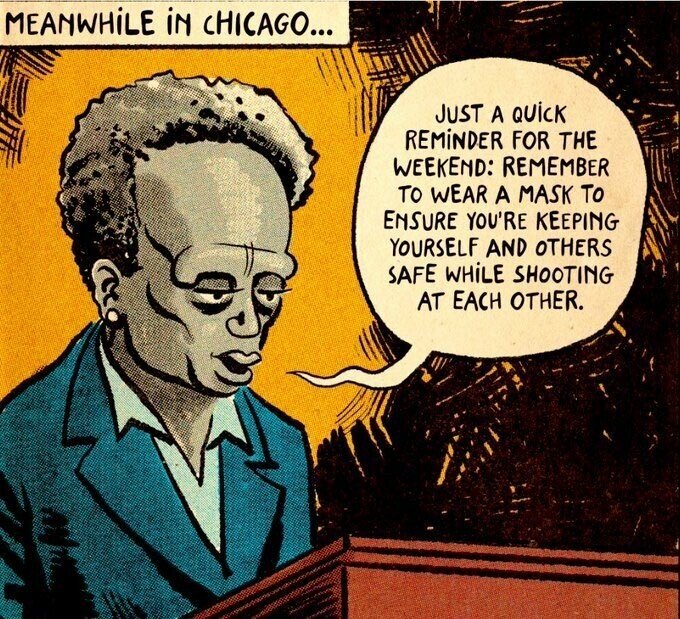
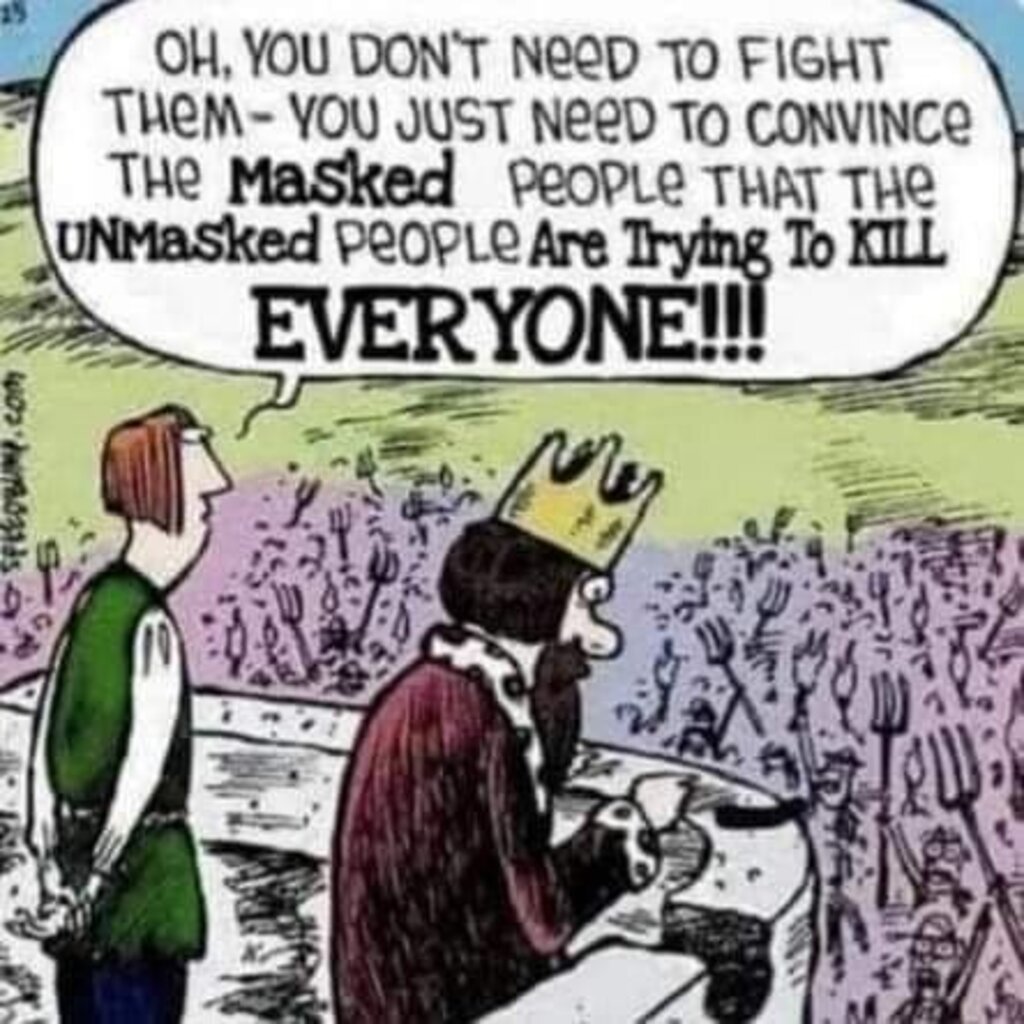
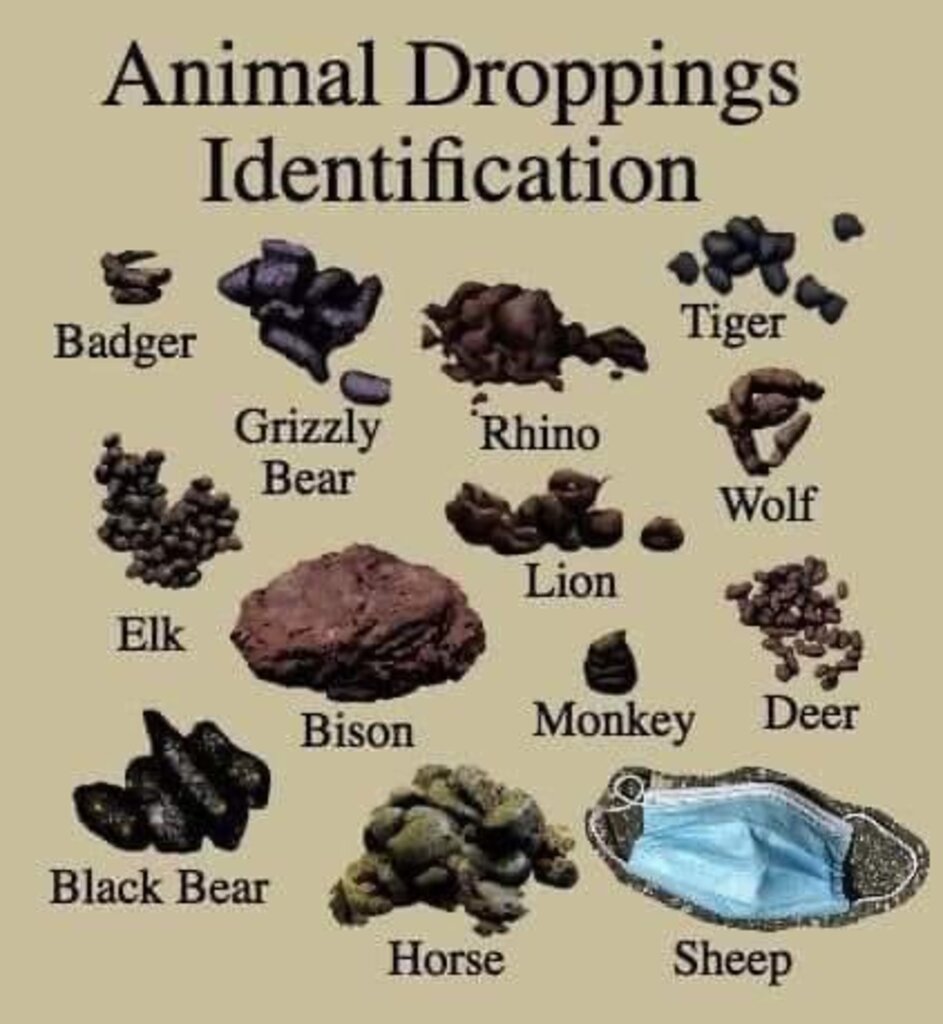
A lot of worry has been triggered by discoveries that variants of the pandemic-causing coronavirus can be more infectious than the original. But now scientists are starting to find some signs of hope on the human side of this microbe-host interaction. By studying the blood of COVID survivors and people who have been vaccinated, immunologists are learning that some of our immune system cells—which remember past infections and react to them—might have their own abilities to change, countering mutations in the virus. What this means, scientists think, is that the immune system might have evolved its own way of dealing with variants.
“Essentially, the immune system is trying to get ahead of the virus,” says Michel Nussenzweig, an immunologist at the Rockefeller University, who conducted some recent studies that tracked this phenomenon. The emerging idea is that the body maintains reserve armies of antibody-producing cells in addition to the original cells that responded to the initial invasion by SARS-CoV-2, the virus that causes COVID. Over time some reserve cells mutate and produce antibodies that are better able to recognize new viral versions. “It’s really elegant mechanism that that we’ve evolved, basically, to be able to handle things like variants,” says Marion Pepper, an immunologist at the University of Washington, who was not involved in Nussenzweig’s research. Whether there are enough of these cells, and their antibodies, to confer protection against a shape-shifting SARS-CoV-2 is still being figured out.

Vaccination passports are being pitched as the new “golden ticket” in a dystopic post-COVID world if you want to travel – now that the recovery is on its way.
Countries in Europe are already requiring travelers to use vaccine passports – usually taking the form of certificates or digital cards of past COVID tests and vaccination history – an idea catching on in tourist nations like Thailand and the Caribbean. But also, much closer to home, Hawaii state officials are considering steps to implement vaccine passports for inter-island travel and likely one day require, to some degree, out of state travelers to have a health passport to revive the local economy that has sustained severe economic damage in its tourism and travel industry.
Local news KHON2 said state officials could soon roll out a health passport app that details vaccination history. Lt. Gov. Josh Green confirmed an app is in development called “First Vitals.” Officials have discouraged inter-island travel as the U.S.’s only archipelago state composed of eight islands in the North Pacific Ocean was forced to deal with a massive influx of travelers from outside the state during the pandemic. Many folks who flocked to Hawaii were escaping the pandemic or took advantage of cheap flights.
Like existing COVID passes issued by other countries, Hawaii’s vaccine passport will provide officials with a QR code to authenticate the users’ vaccination history.
“We’ve all seen friends posting their #COVID19 vaccination cards on social media,” wrote the Minneapolis branch of the FBI on social medial. “If you make or buy a fake one to misrepresent your vaccination status, you endanger other people and may also be breaking the law.”
The FBI linked to a press release from the Internet Crime Complaint Center, which reveals that federal law enforcement, including the FBI, is “advising the public to be aware of individuals selling fake COVID-19 vaccination record cards and encouraging others to print fake cards at home” and notes that “Fake vaccination record cards have been advertised on social media websites, as well as e-commerce platforms and blogs.”
“If you did not receive the vaccine, do not buy fake vaccine cards, do not make your own vaccine cards, and do not fill-in blank vaccination record cards with false information,” the press release explains, “By misrepresenting yourself as vaccinated when entering schools, mass transit, workplaces, gyms, or places of worship, you put yourself and others around you at risk of contracting COVID-19.”
“Additionally, the unauthorized use of an official government agency’s seal (such as HHS or the Centers for Disease Control and Prevention (CDC)) is a crime, and may be punishable under Title 18 United States Code, Section 1017, and other applicable laws.”
 Hellbound and Down
You must be logged in to post a comment.