
On marijuana legalization…

New Jersey lawmakers may include a so-called social equity tax in the legislation establishing a legal market for recreational marijuana, according to reports.
Bills in the state Senate and Assembly would give cannabis regulators the authority to impose the “social equity excise fee,” which would help fund programs aimed at reducing racial disparities caused by drug laws.
The influential Legislative Black Caucus has lobbied for programs aimed at helping Black communities, which have been hard-hit by marijuana prohibition. Black residents are likelier to be arrested on marijuana charges than white residents, for example.
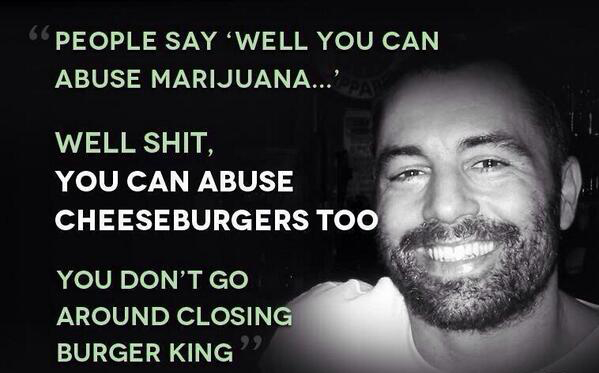
Somebody peacefully getting high without bothering or harming anybody else is listed together with “a disorderly person or small or large group, including protestors, causing a hazardous or dangerous condition right now” and “an emergency situation or condition that might cause danger to life or personal property” as reasons to call 911 instead of the 311 Citizen Service Management System.
According to the Observer, this is “yet another example of how police resources are used—and perhaps misused—in New York City for lack of any better alternatives, as there’s simply no one else to call.”
New York City has long held the unglamorous title as the most inhospitable city in the United States for cannabis users, with possession being most frequent reason why a New Yorker would be arrested.
And while cannabis possession was decriminalized in New York State last August the act of smoking weed is still a crime.
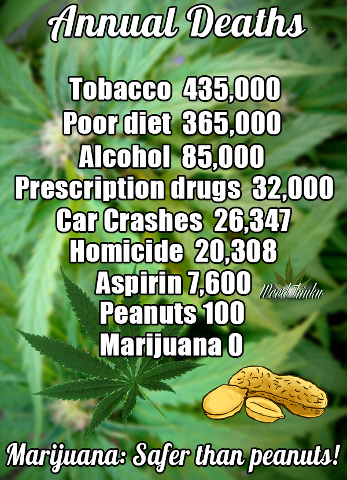
In the historic election cycle that took place earlier this month, multiple states made their voices heard in regard to the prohibition of cannabis and they voted to legalize it. As we reported last week, in many of these states, the ballot measures to legalize cannabis received more votes than both Biden and Trump. South Dakota was one of these states. Now, despite the overwhelming support for legalization by the people, drug war-addicted cops are challenging the popular vote.
Pennington County Sheriff Kevin Thom and South Dakota Highway Patrol Col. Rick Miller are not okay with the citizens of South Dakota having access to the devil’s lettuce, so they have filed a lawsuit challenging the voter referendum that legalized cannabis.
Thom and Miller are nitpicking the vote to legalize by challenging what is little less than a strawman they created. They say the vote to legalize cannabis which required a constitutional amendment to do so — was done so illegally — because semantics.
Marijuana reform advocates have been looking for signs that an incoming president-elect Joe Biden will make good on his campaign pledge to pursue cannabis policy changes since the former vice president has been projected to win the election. But they didn’t get any such sign in a new racial equity plan his transition team has put forward.
While Biden emphasized on the campaign trail that cannabis decriminalization and expungements would be part of his racial justice agenda, the plan released over the weekend omits any specific mention of marijuana reform.
Many of the proposals are broadly described, however, and it’s possible that a policy like decriminalization could be folded into broader commitments to eliminate “racial disparities and ensuring fair sentences,” for example.
In any case, there’s been some skepticism on the part of advocates that Biden’s stated support for cannabis reform will be matched with administrative action. And although he and Vice President-elect Kamala Harris have repeatedly promised to follow through with decriminalization and expungements if elected, that issue did not make the cut in the new “commitment to uplifting Black and Brown communities.”
The page says Biden is working to “strengthen America’s commitment to justice, and reform our criminal justice system” and lays out other specific promises that were often mentioned on the campaign trail alongside marijuana reform, such as a ban on police chokeholds and creating a national oversight commission to track law enforcement abuses. But cannabis reform is nowhere to be found in the transition team document.
In contrast, a still-live page on Biden’s separate campaign site for his “Plan for Black America” that he rolled out while running for president, includes the pledge to “decriminalize the use of cannabis and automatically expunge all prior cannabis use convictions.”
As I write this, we still don’t know who won the presidency. It is, however, time to declare at least one winner. After almost sixty years of fighting, it’s clear that the War on Drugs is almost over and drugs have won. As the Associated Press reports, recreational marijuana has been legalized in New Jersey and Arizona, it looks like it is about to be legalized in Montana and South Dakota, medical marijuana has been approved in Mississippi, and Oregon has loosened restrictions on hard drugs.


You must be logged in to post a comment.