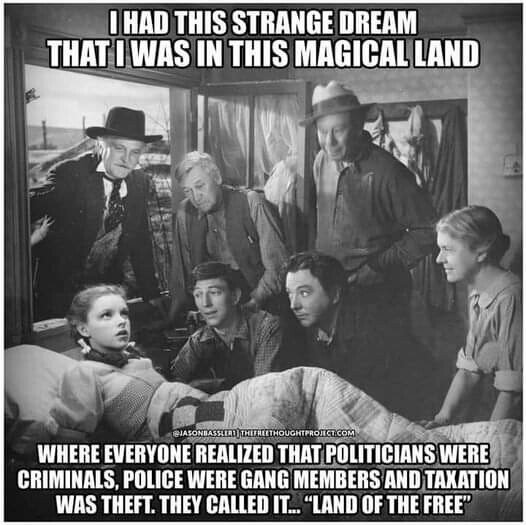
It was just a dream…

Joe Biden is set to announce a new ban that is going to have cigarette users furious.
This week the Biden administration is expected to propose a ban on menthol cigarettes because of the damage it apparently does to black communities, The Washington Post reported.
The Biden administration is expected to announce this week that it will propose a ban on menthol cigarettes, an action urgently sought by tobacco opponents and civil rights groups that say African Americans have been disproportionately hurt by the industry’s aggressive targeting of Black communities.
The administration also is poised to say it will seek to ban menthol and other flavors in mass-produced cigars, including small cigars popular with young people, according to administration officials familiar with the situation who spoke on the condition of anonymity because they are not authorized to discuss it publicly.
It could be years before such bans would take effect, but the administration’s announcement is likely to be hailed by antismoking organizations as a critical and long-overdue step in curbing tobacco use and improving public health. Despite sharp declines in smoking in recent years, tobacco use remains a leading source of illness and death in the United States and worldwide, especially among people of color.
Antismoking groups have been frustrated for years by Washington’s inaction on menthol cigarettes and have turned to states and localities to request bans, with mixed success. They became more optimistic about a possible federal ban in recent months amid President Biden’s repeated vows to reduce health disparities made glaringly obvious by the coronavirus pandemic, and efforts by the Black Lives Matter movement to focus on institutionalized racism.
“There is not an open question on whether menthol in cigarettes is harmful — the evidence is overwhelming and consistent,” director of commercial tobacco control programs at the Public Health Law Center at Mitchell Hamline School of Law in Minnesota said.
“The Biden administration doesn’t know how to solve every problem. But they know what to do here, and they can do it,” he said.
This month 10 groups sent a letter to Health and Human Services Secretary Xavier Becerra in which they asked for the Food and Drug Administration to begin the process of banning menthol cigarettes.
A pair of Texas children was hit with a cease-and-desist order by the local government after selling eggs to neighbors in the San Antonio area.
The two girls, 10-year-old Indiana and 8-year-old Phoenix, started collecting extra eggs from the chickens on their property and sold them to those in the community following the devastating Lone Star State freeze in February that roiled the region’s food supply.
The sisters generated about $70 per week under the guidance of their father, Brian Johnson, an Army veteran, before the city of Bulverde intervened.
Johnson received a letter in the mail that demanded that he and his girls stop selling the eggs, he told CBS Austinon Thursday.
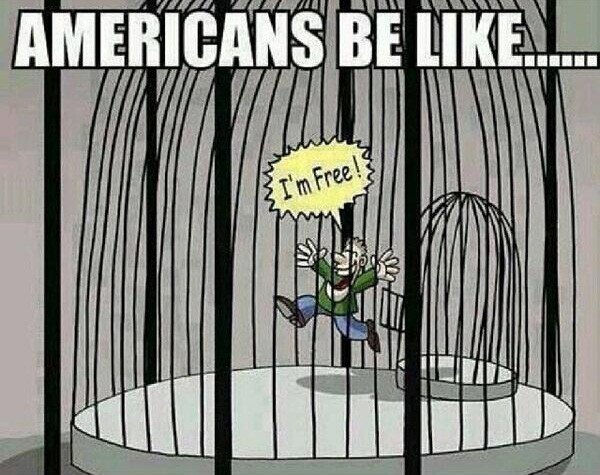
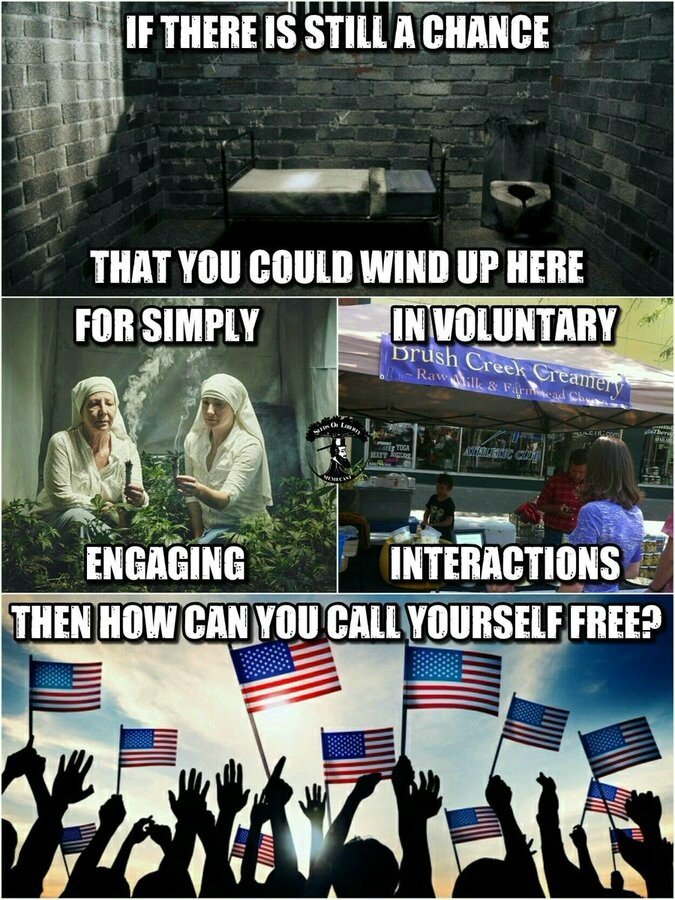
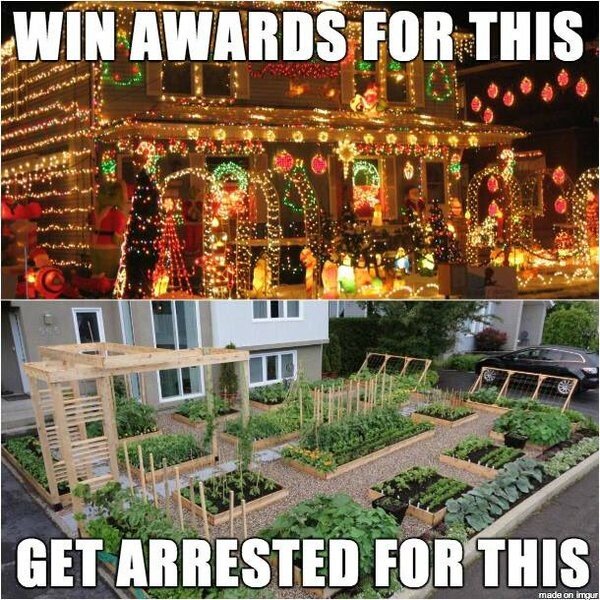

In the land of the free, little boys can and will be thrown in jail after refusing to recite the Pledge of Allegiance in school. Now, a mother is speaking out after this exact same scenario happened to her child who is in the gifted program at Lawton Chiles Middle Academy in Lakeland, Florida.
The incident unfolded earlier this month when Dhakira Talbot’s 11-year-old son politely refused to stand for the Pledge of Allegiance. The class had a substitute teacher that day who felt it was her duty to force this student to pledge his obedience to a flag that he feels is racist. So a conflict began.
When the boy refused to stand for the pledge, the teacher gave the standard statist response of “Why if it was so bad here he did not go to another place to live?” This is the more polite version of “move to S’molia!”
But the boy had an answer ready, saying, “they brought me here.”
Despite the entirely inappropriate conversation with the 11-year-old, the teacher kept pressing the issue, telling the child, “Well you can always go back.”
After instigating the entire debacle, the teacher then called the office to remove the student from class for daring to assert his freedom of speech.
“Then I had to call the office because I did not want to continue dealing with him,” the substitute teacher said.
“She was wrong. She was way out of place,” the boy’s mother said. “If she felt like there was an issue with my son not standing for the flag, she should’ve resolved that in a way different manner than she did.”
When the student refused to be bullied by a system he feels is out to get people of color, like him, the system then proved his claims. The school police officer then responded to the classroom and arrested the child.
He was arrested and charged with multiple misdemeanors and brought to juvenile detention.

 Hellbound and Down
You must be logged in to post a comment.