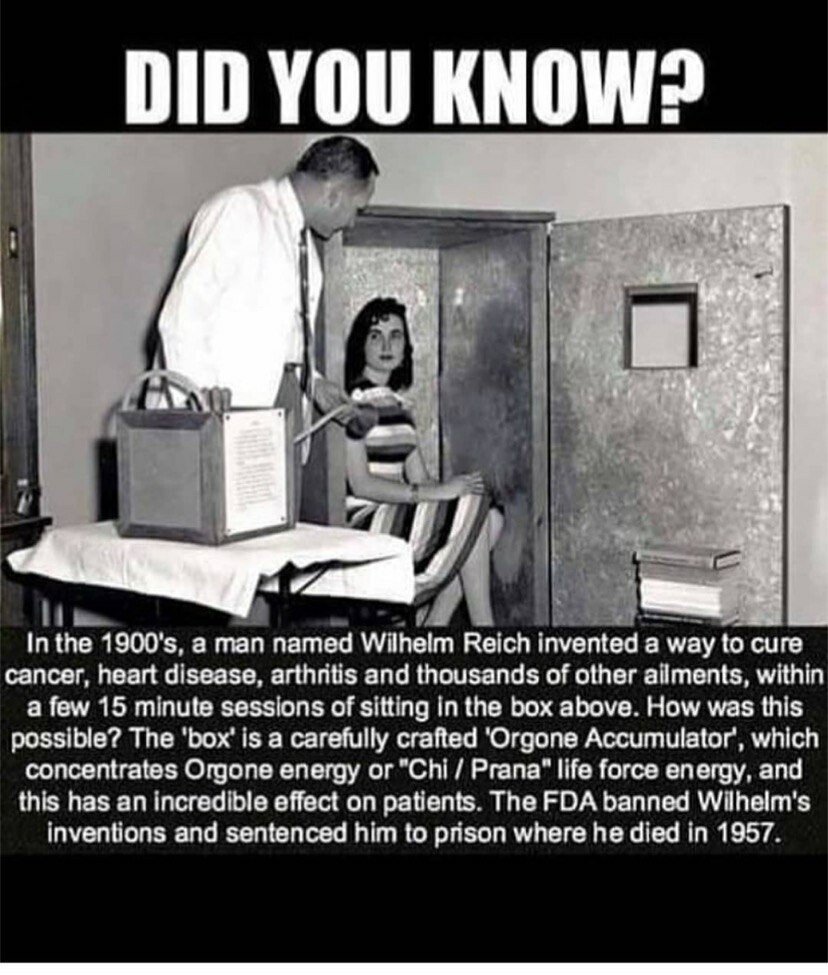
Research Wilhelm Reich…

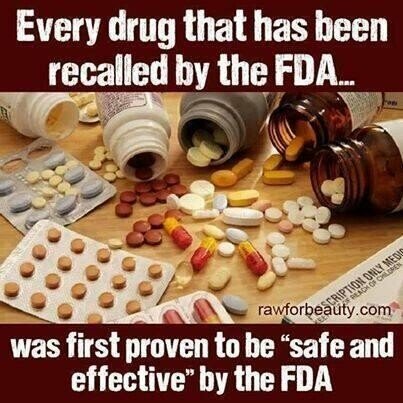
Federal inspectors identified a series of problems at the Baltimore facility where the ingredients for up to 15 million doses of Johnson & Johnson vaccine were ruined, according to a Food and Drug Administration report obtained by NBC News.
The report, known as FDA Form 483, says the plant operated by Emergent BioSolutions “is not maintained in a clean and sanitary condition.” Inspectors found peeling paint and unidentified black and brown residue on the floors and walls, as well as a failure to properly decontaminate waste generated during the manufacture of the vaccine drug substance.
Last week, legal accountability group Judicial Watch dropped a bombshell: a nearly 600-page report proving the U.S. government has been buying and trafficking “fresh” aborted baby body parts. These body parts, purchased by the U.S. Food and Drug Administration to “humanize” mice and test biologic drugs in scientific experiments, came from babies up to 24-weeks-old gestation, just weeks from being born.
While Americans may be used to hearing pro-lifers beat the warning drum on abortion groups harvesting baby bodies and selling them for research, (who hasn’t heard of the lawsuit against David Daleiden, who exposed Planned Parenthood haggling over baby lungs and livers at dinner parties?) this time, the U.S. government was the one trafficking baby parts.
Recent emails uncovered by Judicial Watch between FDA employees and the California-based Advanced Bioscience Resources (ABR) prove the agency spent tens of thousands of dollars buying aborted babies for unethical scientific experiments between 2012 and 2018. In 2018, the Trump administration terminated the contract, halting government fetal tissue research due to concerns the contracts were unlawful. Judicial Watch’s new FOIA Request adds 575 pages of recordsto its existing 2019 lawsuit against the agency.
Amid the always-fearmongering, always-pessimistic, always-more-control-demanded, (and almost always wrong) daily headlines from Dr. Fauci, Former FDA Commissioner Dr. Scott Gottlieb dared to speak optimistically about the way forward on Friday:
“We now know that the vaccines dramatically reduce your chance of both contracting COVID and becoming symptomatic to the point where you are going to have a bad outcome; we also know it reduces asymptomatic disease and reduces transmission… we are seeing that in the data.“
The Pfizer board member does hedge a little by suggesting those who are high risk should still take precautions.
By many measures, March was supposed to be a “difficult month” but as the vaccine campaign continues uninterrupted, April and May will “look much more clear.”
“…people can be more liberal… people will be taking off their masks because we are going to see prevalence decline around the country and people who’ve been vaccinated can go out with more confidence.”
Then Gottlieb dropped some serious truth bombs (which were mysteriously edited out of CNBC’s clip above) saying that within a few weeks, it could be “obvious” that masks may be safely removed, and even more significantly, following CDC’s flip-flopping and confusing rules this week on distancing in schools:
“This six-foot distancing requirement has probably been the single costliest mitigation tactic that we’ve employed in response to COVID… and it really wasn’t based on clear science… we should have readjucated this much earlier.“
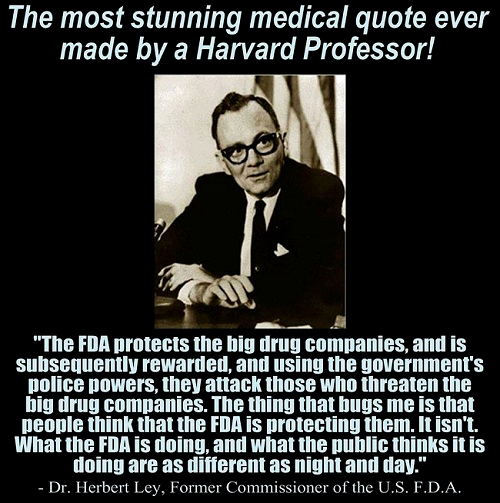
For many American craft distillers, 2020 was already one of their worst years ever. The COVID-19-related closure of tasting rooms and cocktail bars, loss of tourism, and inability to offer in-store sampling slashed their sales revenue and cut them off from their customers. Then this week, just as it seemed they’d made it through the worst of a terrible year, the Food and Drug Administration (FDA) had one more surprise in store: The agency delivered notice to distilleries that had produced hand sanitizer in the early days of the pandemic that they now owe an unexpected fee to the government of more than $14,000.
“I was in literal disbelief when I read it yesterday,” says Aaron Bergh, president and distiller at Calwise Spirits in Paso Robles, California. “I had to confirm with my attorney this morning that it’s true.” The surprise fee caught distillers completely off guard, throwing the already suffering industry into confusion.
American cherry pie manufacturers may soon be able to decide for themselves how many cherries their frozen pies should have, free of burdensome federal regulations.
Former Food and Drug Administration (FDA) head Scott Gottlieb tweeted out praise that his former staff have successfully arranged to deregulate the contents of cherry pies after—no kidding—two years of hard work (and he’s actually understating it, but I’ll get to that)…
So, is this now federal pie anarchy? No. (Unfortunately.) In 1971, the FDA established regulations imposing particular standards for frozen cherry pies. The lengthy regulations (read them here) determine not just how much of the pie must be made of cherries (25 percent by weight) and how many of the cherries may be “blemished,” or have scabs, or be of less than stellar quality (under 15 percent, even though pies are a great place to put blemished fruit to keep it from going to waste), but also establishes complicated rules for determining compliance.
While the FDA has been granted the power by Congress to regulate frozen foods and fruits, including pies, it’s very important to explain that these regulations were only implemented for cherry pies. There are no other similar regulations for other types of fruit pies. And there are no similar regulations for fresh pies to control the number and quality of the cherries in them. Just frozen pies, and only the cherry ones.
And so under Gottlieb and by request of the American Bakers Association (ABA), a trade association and lobbying organization, the FDA began rethinking this rule. The ABA argued that consumers, not the federal government, should decide whether they want to shell out more money for pies with more fruit in them or spend less money on lower-quality pies, if that’s what they can afford.
The US Food and Drug Administration said Monday it has approved a genetically modified pig whose body doesn’t make a component that can trigger allergies in people.The pigs should produce meat that is safe to eat, and organs and tissues safe for transplants and for the other biomedical uses for people allergic to the compound — a sugar found on the surface of animal cells known as alpha-gal, the FDA said.
It might help people who have an allergy to alpha-gal– an allergy sometimes triggered by a tick bite.”Today’s first ever approval of an animal biotechnology product for both food and as a potential source for biomedical use represents a tremendous milestone for scientific innovation,” said FDA Commissioner Dr. Stephen Hahn.The pigs, licensed to Revivicor Inc., a subsidiary of United Therapeutics, are called GalSafe pigs. Revivicor is a spinoff from PPL Therapeutics, which produced the first mammal cloned from an adult mammal: Dolly the sheep, in 1996.Products made from their bodies can be safely used by people with alpha-gal syndrome, FDA officials told a media briefing. These might include the blood thinner heparin, made from pig intestines, as well as tissue or organ transplants.A company called Xenotherapeutics has three patients enrolled in a Phase 1 safety trial of using skin from GalSafe pigs for skin grafts to treat burn victims with alpha-gal allergies. The company is working to enroll three more in the trial at Massachusetts General Hospital.


You must be logged in to post a comment.