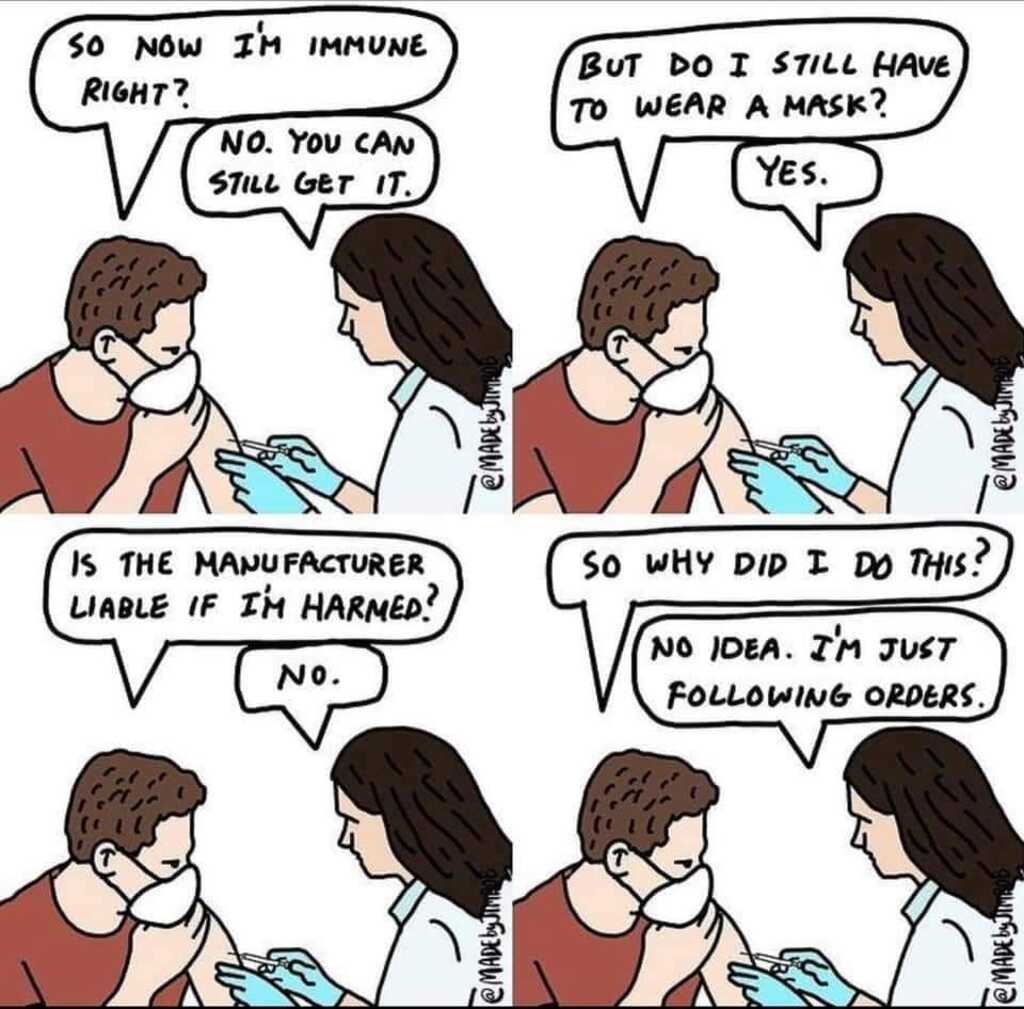
This is true…

Newly obtained emails offer glimpses into how a narrative of certainty developed about the natural origins of the novel coronavirus SARS-CoV-2, while key scientific questions remained. The internal discussions and an early draft of a scientists’ letter show experts discussing gaps in knowledge and unanswered questions about lab origin, even as some sought to tamp down on “fringe” theories about the possibility the virus came from a lab.
Influential scientists and many news outlets have described the evidence as “overwhelming” that the virus originated in wildlife, not from a lab. However, a year after the first reported cases of SARS-CoV-2 in the Chinese city of Wuhan, little is known how or where the virus originated. Understanding the origins of SARS-CoV-2, which causes the disease COVID-19, may be crucial to preventing the next pandemic.
The emails of coronavirus expert Professor Ralph Baric – obtained through a public records request by U.S. Right to Know – show conversations between National Academy of Sciences (NAS) representatives, and experts in biosecurity and infectious diseases from U.S. universities and the EcoHealth Alliance.
On Feb. 3, the White House Office of Science and Technology Policy (OSTP) asked the National Academies of Sciences, Engineering and Medicine (NASEM) to “convene meeting of experts… to assess what data, information and samples are needed to address the unknowns, in order to understand the evolutionary origins of 2019-nCoV, and more effectively respond to both the outbreak and any resulting misinformation.”
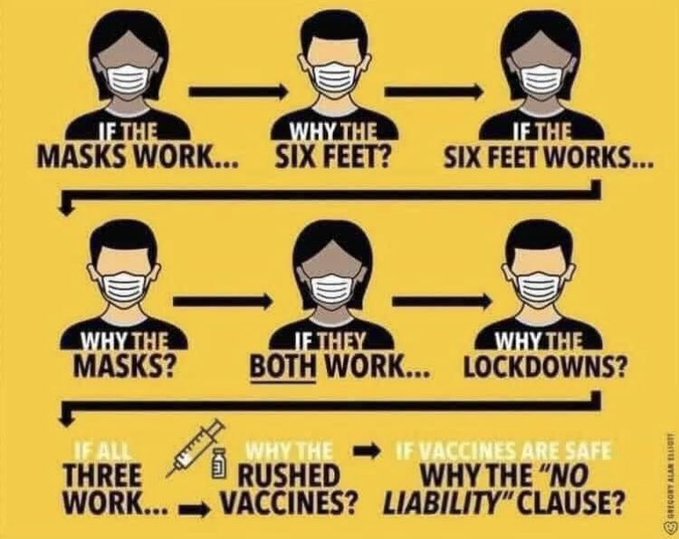
Among those first in line for the COVID-19 vaccine in Massachusetts are correction workers and the nearly 13,000 people incarcerated in jails and prisons in the state. The news comes as COVID cases continue to spike behind bars.
Gov. Charlie Baker included both groups in the first phase of his COVID vaccination plan, which he announced last week. The first phase also includes health care workers, police, fire and emergency responders and residents of long term care facilities and those living and working in homeless shelters. Massachusetts is one of six states to specifically include prisoners in the first phase of vaccinations, according to the Prison Policy Initiative.
The Department of Correction referred questions about the vaccine process to the state’s COVID-19 Response Command Center. It says those working and living in congregate care settings, like homeless shelters and correctional facilities, are prioritized for phase one because of the high-risk, high-exposure setting. The state estimates that 22,000 vaccines will be needed for those living and working in correctional facilities, and officials expect the vaccines to be distributed between December and February. Details about how the vaccines will be given behind bars will be clearer once the state receives vaccine shipments.
The U.S. Food and Drug Administration inspects a few thousand drug manufacturing plants every year to ensure their standards are up to par. Many of those inspections are required before a pharmaceutical company can gain approval of a new drug. They serve as a check on whether drugmakers can produce quality therapies.
But that won’t be the case for Covid-19 vaccine developers that gain emergency authorization of a shot.
FDA regulations don’t require what’s known as a pre-approval inspection for products seeking emergency use, said Jerry Weir, director of the Division of Viral Products in the FDA’s vaccines office. Weir spoke last week at a meeting of FDA advisers to discuss standards for Covid-19 vaccines.
Before approval, FDA inspections ensure compliance with regulations. Once a product is being made—as vaccines already are to get them out as quickly as possible—they can uncover quality breaches and assess whether pharmaceutical companies handled them correctly or are possibly downplaying or ignoring serious issues.
In a year of extraordinary and often terrible actions taken in response to COVID-19, yet another international civil society group warns that governments are leveraging the pandemic to tighten controls over their subjects. Ominously, it’s not the first such warning and comes as even traditionally liberal democratic countries step up surveillance of dissidents and crack down on public opposition.
“The COVID-19 pandemic has had a dire impact on civic freedoms globally,” Civicus, a South Africa-based group that promotes civil society and freedom of association, reported last week. “Our research shows that governments … are using the pandemic as an opportunity to introduce or implement additional restrictions on civic freedoms.”
The United States drops in status from “narrowed” to “obstructed” for “restrictive laws, the excessive use of force against protesters, and an increasingly hostile environment for the press.” The Civicus rating emphasizes militarized tactics and mass arrests in response to the Black Lives Matter protests that erupted this year. While those protests aren’t explicitly linked to the pandemic, they were likely exacerbated by the disruptions and economic pain caused by lockdowns that brought simmering preexisting tensions to a boil.
Unfortunately, Civicus’s ratings criteria seem anecdote-driven and rather arbitrary. While the U.S. is (rightfully) dinged for sometimes heavy-handed treatment of protesters (while police in other locations seemingly surrendered the streets to favored political factions), other countries get a relative pass for cracking down on public expression that was specifically targeted at pandemic responses.
Australia, for example, is classified as “narrowed”—a better ranking than the U.S.—even as authorities arrest people for merely planning to protest against pandemic-related lockdowns. The country is also moving to centralize surveillance of travelers in the name of public health and to ease domestic monitoring of electronic communications.
“Journalists in France have been obstructed in doing their jobs through intimidation and detention while covering protests,” observes Civicus, which ranks the country as “narrowed.”
Last Friday, 142 people were arrested in Paris during demonstrations against a law that would restrict photographing police officers during such events as protests against lockdowns.
Germany‘s arrests of anti-lockdown protesters are acknowledged even as the country gets an “open” rating.
Unmentioned is Germany’s surveillance of opponents to restrictive anti-pandemic measures on the grounds that they have been “infiltrated by extremists.” The “move is effectively a public warning to sympathizers and leaders of the group—which officials described as the ‘epicenter’ of Germany’s coronavirus protests—but it falls short of banning the movement,” notes The Washington Post.
The listing for Israel—ranked as “obstructed”—focuses on the treatment of Palestinians. That’s certainly an important issue. Still, as Civicus emphasizes governments’ exploitation of health concerns to justify expanded authority, it’s worth mentioning that the Shin Bet, the country’s internal security force, presented bogus information to gain authorization to monitor citizens for coronavirus. “In other words, the committee voted and reaffirmed surveillance on Israeli citizens by the Shin Bet based on partial or even misleading data,” according to Haaretz.
That said, the Civicus warning is timely, and the organization’s concerns are shared by others.
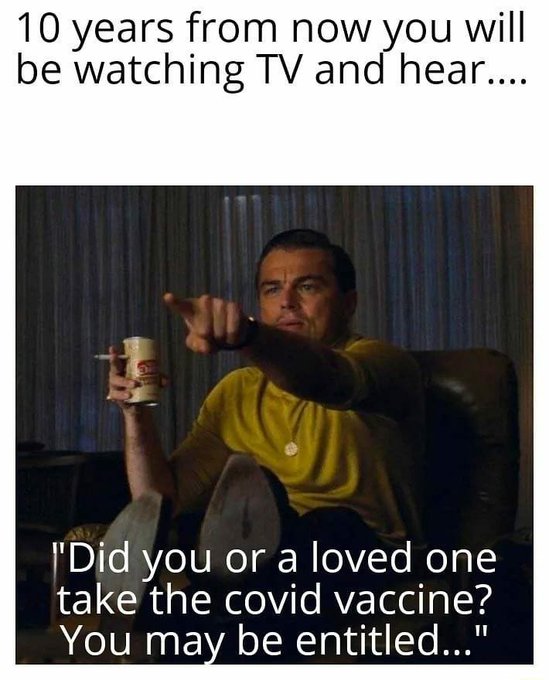
The participant who triggered a global shutdown of AstraZeneca’s Phase 3 Covid-19 vaccine trials was a woman in the United Kingdom who experienced neurological symptoms consistent with a rare but serious spinal inflammatory disorder called transverse myelitis, the drug maker’s chief executive, Pascal Soriot, said during a private conference call with investors on Wednesday morning.
The woman’s diagnosis has not been confirmed yet, but she is improving and will likely be discharged from the hospital as early as Wednesday, Soriot said.
The board tasked with overseeing the data and safety components of the AstraZeneca clinical trials confirmed that the participant was injected with the company’s Covid-19 vaccine and not a placebo, Soriot said on the conference call, which was set up by the investment bank J.P. Morgan.
If there are “I Voted” stickers, why not “Vaccinated for COVID-19” buttons?
The Centers for Disease Control and Prevention is planning to offer health care providers a template they can use to print buttons or stickers that would advertise a person’s vaccination status. The idea is that the button would be handed out to patients after they receive their vaccination shots.
The effort is part of a “toolkit” that the CDC plans to provide healthcare systems to “educate and promote vaccination,” a CDC spokesperson told ABC News.
 Hellbound and Down
You must be logged in to post a comment.