What’s the Difference Between Big Tobacco and Big Pharma?

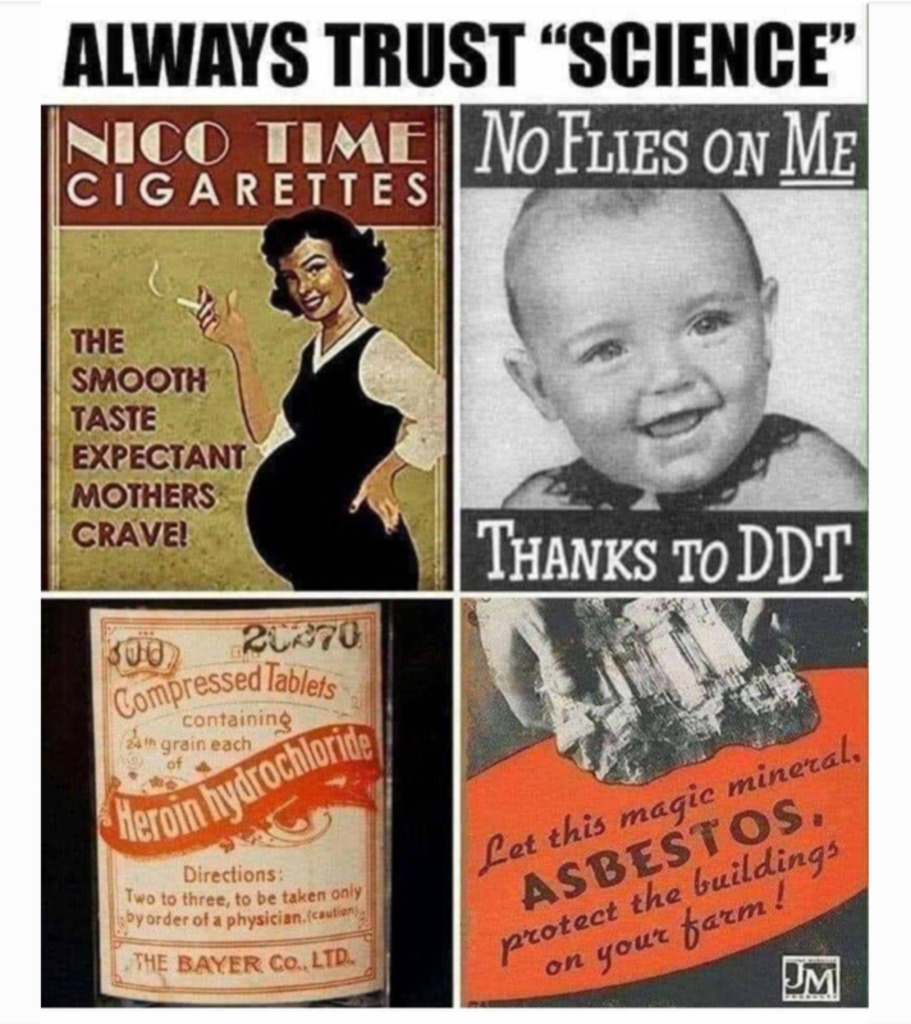
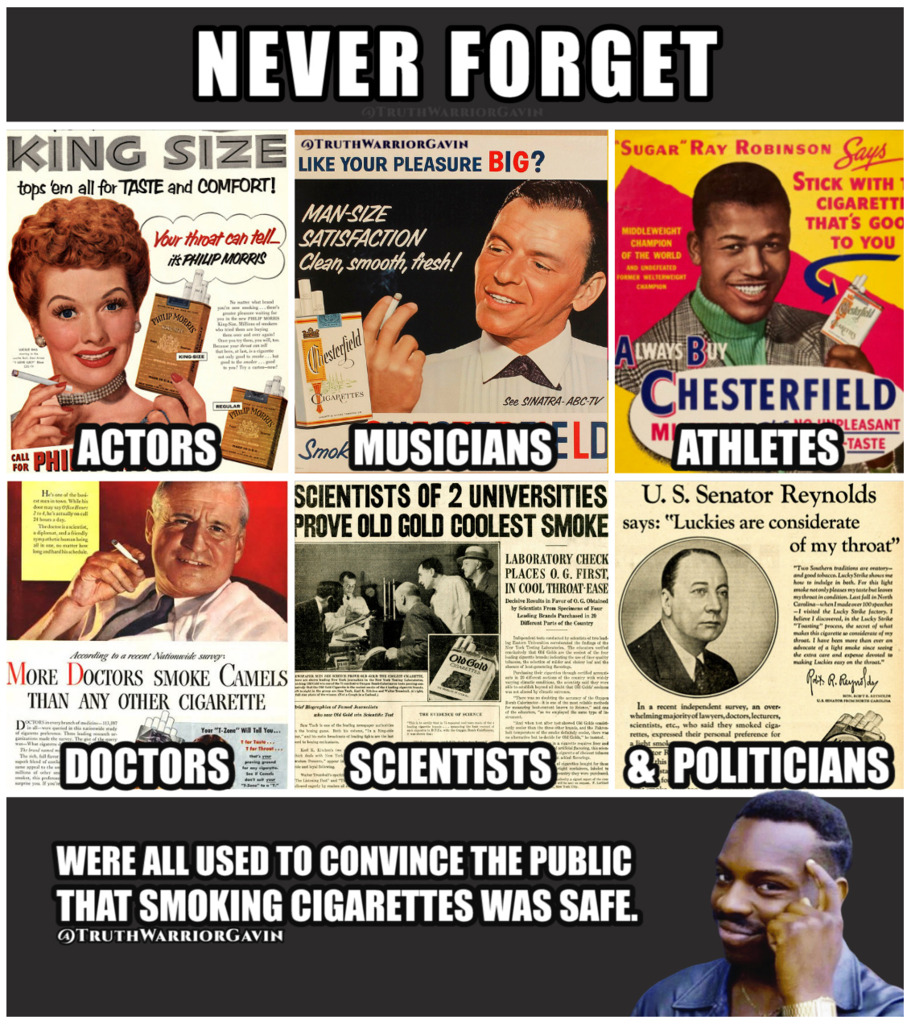
The psychiatric drug industry and big tobacco share striking similarities in their tactics, particularly when it comes to downplaying the risks associated with their products and targeting vulnerable populations like youth. The psychiatric community has gotten away with pretending it is based in science and medicine to sell its snake oil, while the tobacco industry wasn’t so lucky.

A key difference lies in the government’s stance – while tobacco companies face increasing regulations and warnings, the psychiatric drug industry enjoys substantial government support and promotion despite the existence of black box warnings on many of their medications. Both industries have a history of misleading marketing practices and minimizing potential harms.

Big tobacco companies notoriously concealed evidence linking smoking to lung cancer and other diseases for decades. Similarly, psychiatric drug manufacturers have been accused of selectively publishing favorable trial data and underreporting adverse effects.

Despite black box warnings – the FDA’s strongest safety alert – on many psychiatric medications, big pharma’s marketing often portrays an overly rosy picture. A prime example is antidepressants carrying a black box warning about increased suicidality risk in youth. Yet, these drugs continue to be heavily promoted, with limited emphasis on this severe side effect. Worse yet, antidepressants are not approved for under 18’s and still they are prescribed off-label to the age group in increasing numbers. Atypical antipsychotics like Seroquel and Zyprexa also bear a black box warning about increased mortality risk in elderly dementia patients, but their use in this vulnerable population remains widespread.

Moreover, both industries have targeted youth, securing future customers through early exposure and addiction. Big tobacco’s calculated efforts to market to adolescents are well-documented. Many of us remember getting boxes of candy cigarettes as children. The tips of the candy cigarettes were even painted red to simulate they were lit. Likewise, the psychiatric drug industry has been criticized for driving the dramatic rise in childhood psychiatric diagnoses and medication use, despite limited long-term safety data.

However, a crucial difference emerges in the government’s approach. Tobacco companies face intense scrutiny, with advertising restrictions, graphic health warnings on packaging, and mounting litigation. In contrast, the psychiatric drug industry enjoys considerable government financial support, 10.8 billion in the 2024 budget, and lack of stringent oversight.
Keep reading

Sales Data Indicate That Restrictions on Flavored Vaping Products Encourage Smoking

Legal restrictions on the flavors of nicotine vaping products are associated with increased cigarette purchases, according to a new paper that analyzes retail sales data from 44 states. For each fewer 0.7-milliliter nicotine pod sold in jurisdictions with such policies, the analysis found, consumers bought 15 more cigarettes. “That tradeoff,” the authors note, “equates to over a pack more cigarettes per pod for the size of current leading products” such as the Vuse Alto, which uses 1.8-milliliter pods.

The substitution effect identified by this study underlines the folly of trying to protect public health by deterring the use of electronic nicotine delivery systems (ENDS), which are far less hazardous than combustible cigarettes. “We find that ENDS flavor policies reduce flavored ENDS sales as intended, but also increase cigarette sales across age groups,” Yale public health researcher Abigail Friedman and her collaborators report. “As cigarettes are much more lethal than ENDS, the high rate of substitution estimated here suggests that, on net, any population health benefits of ENDS flavor policies are likely small or even negative.”

Friedman et al. identified 15 state and 279 local flavor restrictions that took effect during the study period—January 7, 2018, through March 26, 2023. Those policies included both outright bans on ENDS flavors other than tobacco and laws that limited sales of such products to specialty stores such as vape shops and tobacconists. The study’s sales data came from Information Resources Incorporated, which collects checkout numbers from convenience stores, supermarkets, drug stores, discount stores, and gas stations.

“ENDS sales fall and cigarette sales rise as a greater percentage of state residents is subject to policies restricting flavored ENDS sales,” Friedman et al. report. “Effects are in the same direction for policies prohibiting all ENDS sales (i.e., flavored and unflavored), consistent with substitution.” These effects are “larger in the long-run; that is, for policies in effect a year or longer,” the researchers note. They add that “separating ENDS flavor prohibitions from less restrictive policies limiting flavored ENDS sales to particular types of retailers reveals that both policies yield reductions in ENDS sales and increases in cigarette sales once in effect for at least a year.”

The relationship between reduced ENDS sales and increased cigarette sales, the study found, “holds across cigarette product age profiles, including for brands disproportionately used by underage youth.” Menthol brands accounted for 29 percent of the increase in cigarette sales, while standard cigarettes accounted for 71 percent, which “indicates that the observed substitution response to ENDS flavor policies cannot be attributed to menthol cigarettes’ availability” or “fully counteracted by menthol cigarette sales prohibitions.”

These findings, Friedman et al. note, are consistent with “results from 16 of 18 other studies assessing cigarette use following adoptions of minimum legal sales age laws for ENDS, ENDS tax rate increases, and advertising restrictions.” They are also consistent with prior studies suggesting that ENDS flavor restrictions boost smoking rates. “In other words,” the authors say, “policies making ENDS more expensive, less accessible, or less appealing appear to incentivize substitution towards cigarettes.”

Who could have predicted that? Lots of people, starting with all the ex-smokers who have switched to vaping and overwhelmingly prefer the flavors that politicians portray as an intolerable threat to the youth of America. Savvy tobacco control experts likewise have been warning legislators and regulators for years that policies aimed at discouraging underage vaping could inadvertently lead to more smoking-related diseases and deaths.

Keep reading

Big Alcohol and Big Tobacco Coalition Emerges to Shape Legalization in Their Favor

We’ve already seen the influence of these corporate interests. In some instances, many of these same people have lobbied against consumer-friendly legalization provisions, such as the right for adults to cultivate marijuana in the privacy of their homes. These corporate entities also have pushed for statewide limits on the number of licensed cannabis producers and retailers, in an effort to keep prices and supply artificially limited — and to keep the economic benefits of legalization largely out of the reach of average Americans, especially people of color.

That’s their vision of legalization. NORML’s vision of legalization includes the right to personal cultivation and mandates low barriers of entry to the cannabis market so that every American who wishes to benefit from legalization can do so. Our vision includes the mass expungement of criminal records and provides justice to those communities that have been historically most impacted by the failed drug war. Our vision of legalization stops the discrimination in the workplace against those who choose to consume cannabis in their off-hours. Our vision includes low taxes and ready access to those adults who wish to legally obtain affordable cannabis products in a safe, licensed, regulated environment.

Keep reading