
Arrest and incarceration are uniquely dangerous experiences, regardless of where they take place. People die every day in law enforcement custody. In jails, prisons, and immigration detention centers. On sidewalks, city streets, and in their homes. From violence, neglect, and suicide. Despite the frequency of in-custody deaths, their exact scope remains unknown and data is often intentionally obfuscated by the refusal of states to comply with federally mandated reporting requirements.
More than two decades ago, Congress passed the Death in Custody Reporting Act (DCRA), requiring states to report the number of people who die in custody or during arrest. But authorities have resisted implementing the DCRA, resulting in incomplete data that likely drastically undercounts the actual figures. Although the DCRA authorized the federal government to financially penalize states that fail to meet reporting requirements, enforcement has been lax.
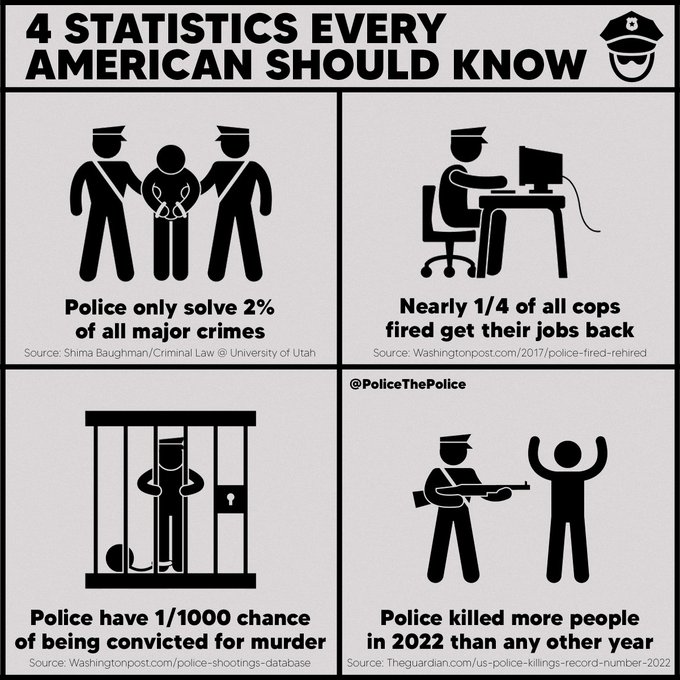
In a recently released book, Death In Custody: How America Ignores The Truth and What We Can Do About It, authors Roger A. Mitchell Jr. and Jay D. Aronson argue that deaths in law enforcement custody amount to a public health emergency. Their work ties in high-profile examples and shows how journalists have long done the work of tracking in-custody deaths—from Ida B. Wells famously investigating extrajudicial lynchings in the late 19th century, to the Washington Post’s comprehensive database of police shooting deaths beginning in 2015.
Mitchell and Aronson argue that collecting accurate data is the first step toward addressing this crisis. To do this, they propose amending U.S. death certificates to begin accounting for in-custody deaths. “The government’s ultimate responsibility is to protect and preserve life, so any government system that causes death requires an immediate response—especially when those deaths are justified as serving ‘public safety,’” the authors write.

 Hellbound and Down
You must be logged in to post a comment.