Governments Are Faking It, and Copying Each Other

Amystery for months is how it is that so many governments in so many different places on earth could have adopted the same or very similar preposterous policies, no matter the threat level of the virus, and without firm evidence that interventions had any hope of being effective. 

In the course of two weeks, traditional freedoms were zapped away in nearly all developed countries. In a seriously bizarre twist, even the silliest policies replicated themselves like a virus in country after country. 

For example, you can’t try on clothing in a store in Texas or in Melbourne, or in London or in Kalamazoo. What’s with that? We know that the COVID bug is least likely to live on fabrics unless I have symptoms of it, sneeze on my handkerchief and then I stuff it in your mouth. The whole thing is a ridiculous mysophobic overreach, like most of the rules under which we live. 

Then there was the inside/outside confusion. First everyone was forced indoors and people were arrested for being outdoors. Later, once restaurants started opening, people were not allowed indoors so eating establishments scrambled to make outdoor dining possible. Are we supposed to believe that the virus lived outside for a while but then later moved inside? 

Or these curfews. So many places have them despite a complete absence of evidence that COVID spread prefers the night to the day. I guess the real point is to put a stop to revelry that might bring people together in a fun way? It’s like all our governments decided on the same day that COVID spreads through smiles and fun, so we have to banish both. 

Keep reading

The Reaction of the Left to Lockdown

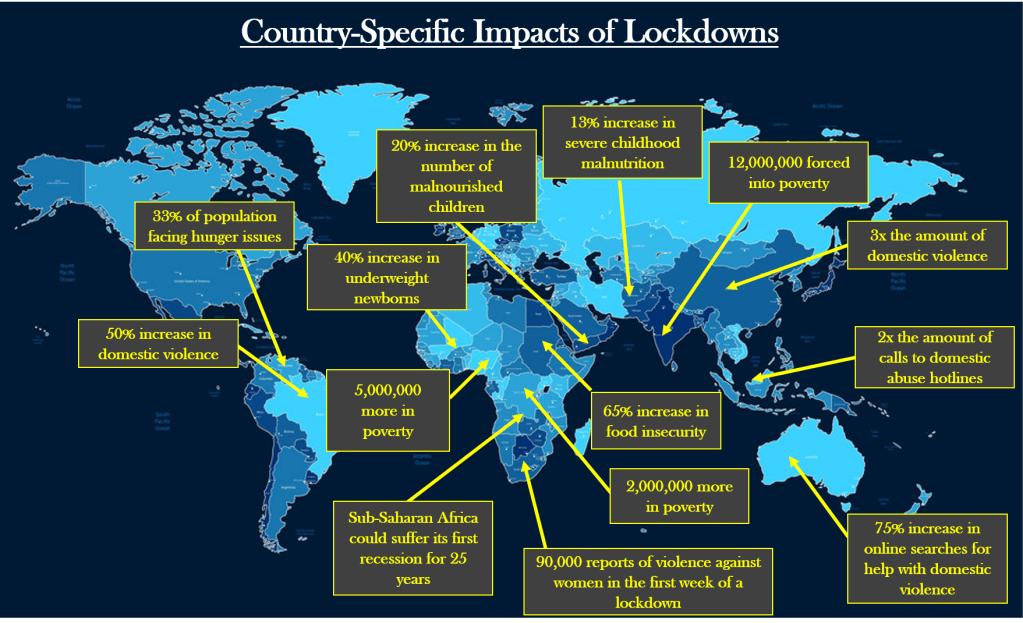
That those countries which didn’t lockdown — such as Sweden and Japan — did absolutely fine (while New Zealand — a more isolated country on earth you cannot find — would have done fine, but chose instead to push 70,000 children into poverty). That the wealthiest people in the world become much, much richer, that we’ve taken a massive lurch towards a techno-dystopian world controlled by an ever shrinking cartel of IT companies and that lockdown has destroyed and will continue to destroy the lives of millions upon millions of poor people (the UN predicts a ‘biblical famine,’ possibly as many as 300,000 deaths a day), all for no good reason.

Keep reading

Sweden: The One Chart That Matters

Sweden has been harshly criticized in the media for not imposing draconian lockdowns like the United States and the other European countries. Instead, Sweden implemented a policy that was both conventional and sensible. They recommended that people maintain a safe distance between each other and they banned gatherings of 50 people or more. They also asked their elderly citizens to isolate themselves and to avoid interacting with other people as much as possible. Other than that, Swedes were encouraged to work, exercise and get on with their lives as they would normally even though the world was still in the throes of a global pandemic.

The secret of Sweden’s success is that its experts settled on a strategy that was realistic, sustainable and science-based. The intention was never to “fight” the virus which is among the most contagious infections in the last century, but to protect the old and vulnerable while allowing the young, low-risk people to circulate, contract the virus, and develop the antibodies they’d need to fight similar pathogens in the future. It’s clear now that that was the best approach. And while Sweden could still experience sporadic outbreaks that might kill another 2 to 300 people, any recurrence of the infection in the Fall or Winter will not be a dreaded “Second Wave”, but a much weaker flu-like event that will not overwhelm the public health system or kill thousands of people.

Keep reading

We Need a Principled Anti-Lockdown Movement

Shell-shocked is a good way to describe the mood in the U.S. for a good part of the Spring of 2020. Most of us never thought it could happen here. I certainly did not, even though I’ve been writing about pandemic lockdown plans for 15 years. I knew the plans were on the shelf, which is egregious, but I always thought something would stop it from happening. The courts. Public opinion. Bill of Rights. Tradition. The core rowdiness of American culture. Political squeamishness. The availability of information. 

Something would prevent it. So I believed. So most of us believed. 

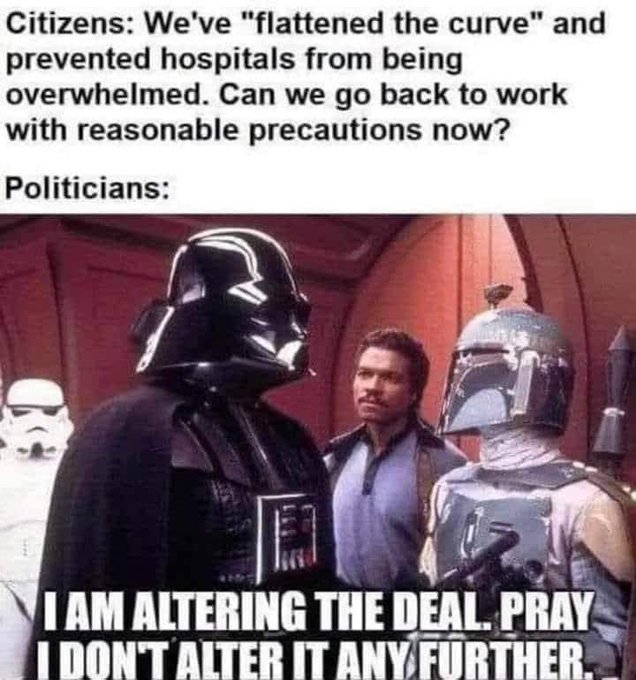
Still it happened, all in a matter of days, March 12-16, 2020, and boom; it was over! We were locked down. Schools shut. Bars and restaurants closed. No international visitors. Theaters shuttered. Conferences forcibly ended. Sports stopped. We were told to stay home and watch movies…for two weeks to flatten the curve. Then two weeks stretched to five months. How lucky for those who lived in the states that resisted the pressure and stayed open, but even for them, they couldn’t visit relatives in other states due to quarantine restrictions and so on. 

Lockdowns ended American life as we knew it just five months ago, for a virus that 99.4-6% of those who contract it shake off, for which the median age of death is 78-80 with comorbidities, for which there is not a single verified case of reinfection on the planet, for which international successes in managing this relied on herd immunity and openness. 

Still the politicians who had become dictators couldn’t admit such astonishing failure so they kept the restrictions in place as a way of covering up what they had done. 

Keep reading

Covid’s nasty – there’s more to life than imprisoning ourselves

It is not an accident that the US constitution gives equal weight to “life, liberty and the pursuit of happiness” as the guiding principles for government.

A concern for life and health must always be balanced with a concern to protect spaces for us to do our own thing and to define wellbeing in our own way.

A pandemic may be a chance for some medical leaders to impose their ideas of how people should live – but it does not mean they should be allowed to do so.

It is time to stop “following the science” and to recognise we are making choices about the sort of society we want to live in.

Keep reading