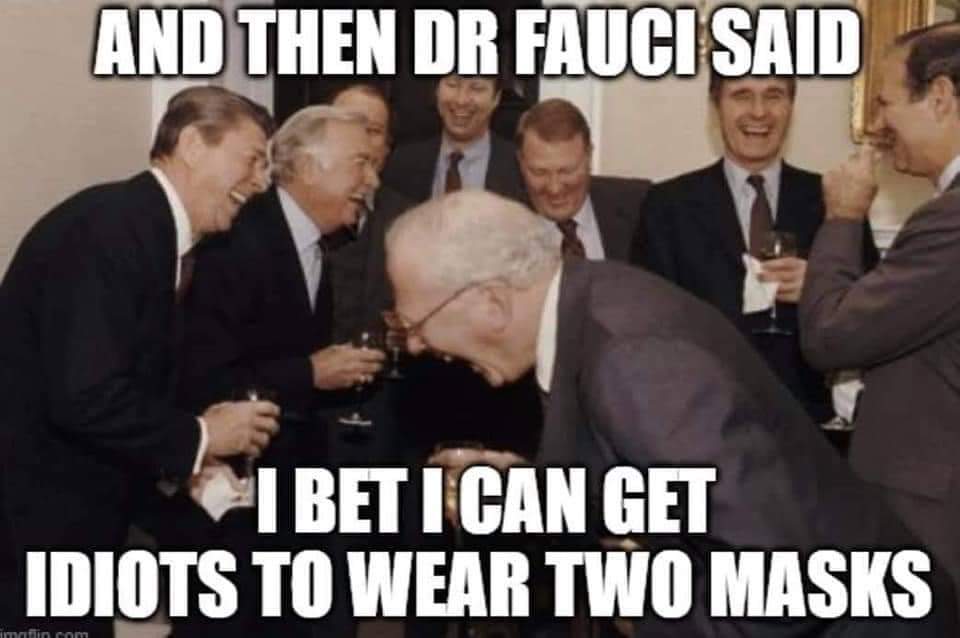
How many do you wear?

The US Centers for Disease Control and Prevention announced an order late Friday that will require people to wear a face mask while using any form of public transportation, including buses, trains, taxis, airplanes, boats, subways or ride-share vehicles while traveling into, within and out of the US.The order goes into effect at 11:59 p.m. Monday.Masks must be worn while waiting, boarding, traveling and disembarking, it said. The coverings need to be at least two or more layers of breathable fabric secured to the head with ties, ear loops or elastic bands — and scarves and bandanas do not count, the order says.People can remove their masks briefly to eat, drink or take medication; verify their identity to law enforcement or transportation officials; communicate with hearing impaired people; don an oxygen mask on an aircraft; or during a medical emergency, the CDC’s website says.The CDC said it reserves the right to enforce the order through criminal penalties, but it “strongly encourages and anticipates widespread voluntary compliance” and expects support from other federal agencies to implement the order.

President Joe Biden signed an executive order on Thursday which may be the precursor to requiring proof of vaccination for air travel.
The executive order was entitled “Promoting COVID-19 Safety in Domestic and International Travel.” Section 5 ‘International Travel’ subsection ‘e’ the order read:
“International Certificates of Vaccination or Prophylaxis. Consistent with applicable law, the Secretary of State, the Secretary of HHS, and the Secretary of Homeland Security (including through the Administrator of the TSA), in coordination with any relevant international organizations, shall assess the feasibility of linking COVID-19 vaccination to International Certificates of Vaccination or Prophylaxis (ICVP) and producing electronic versions of ICVPs.”
The order also called for “agencies may impose additional public health measures for domestic travel.”
The order also mandates masks on airplanes, trains, ferries, ships, bus services and inside airports.
President Joe Biden and his family were seen without a mask while visiting the Lincoln Memorial Wednesday night, hours after the President signed an executive order requiring masks on federal property to mitigate the spread of the coronavirus pandemic.

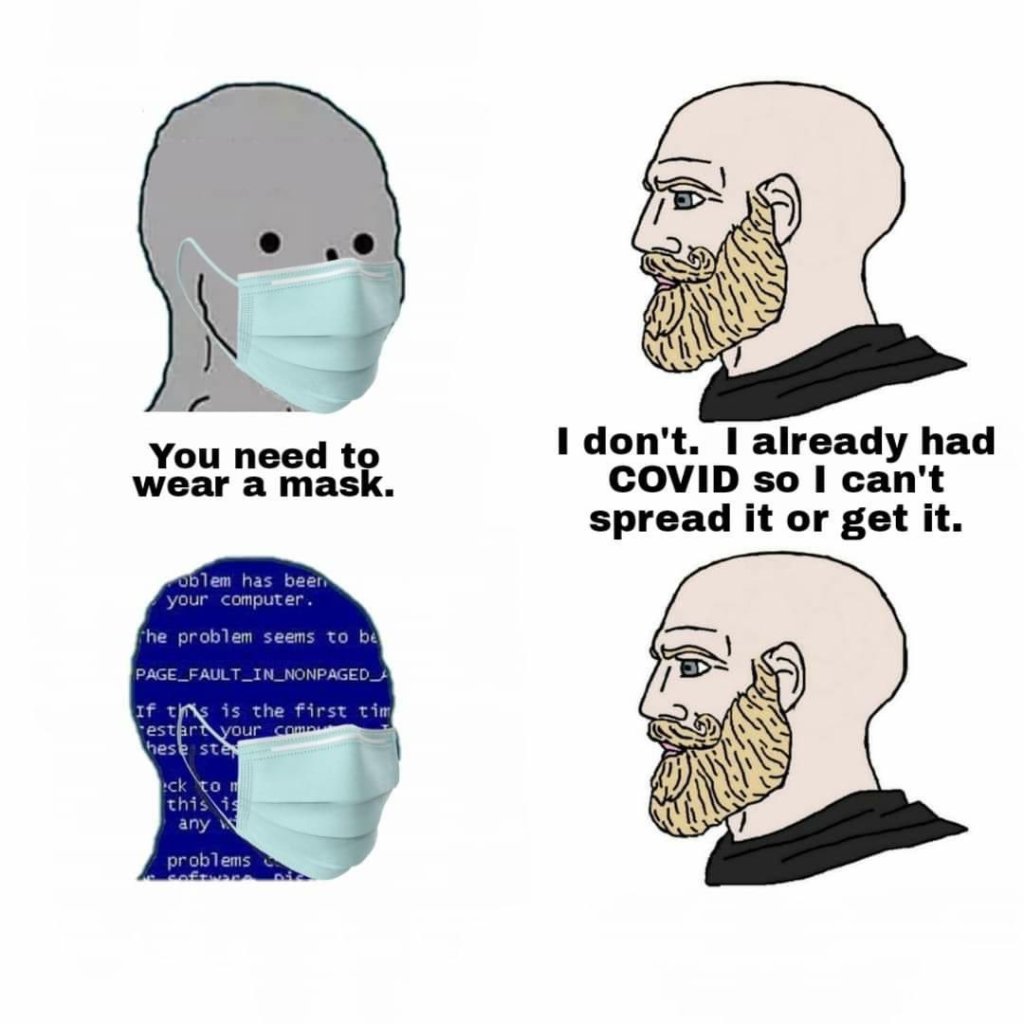
It is official, unless airline passengers are willing to wear motorcycle helmets or Daft Punk style masks, the Feds can use facial and iris recognition to identify nearly everyone.
According to an S&T press release, a pilot program run by DHS proves they can use facial/iris recognition to identify airline passengers.
The in-person rally, held at the Maryland Test Facility (MdTF), included 10 days of human testing during which six face and/or iris acquisition systems and 13 matching algorithms were tested with help from 582 diverse test volunteers representing 60 countries.
What is DHS’s so-called motivation to ID everyone?
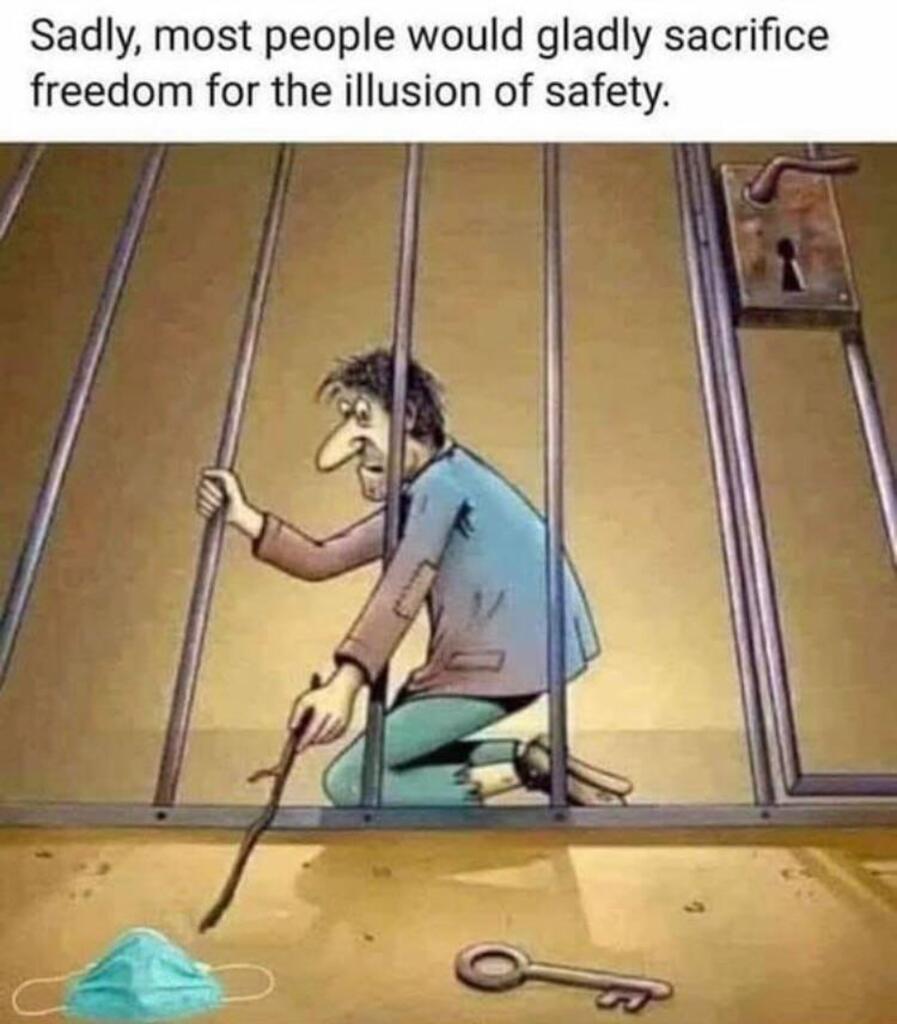
HSBC has issued a warning to customers as retailers step up coronavirus safety measures amid a further 1,243 deaths.
The lender – which also owns First Direct and Marks & Spencer bank – said customers who break the law could forfeit their bank account.
Speaking to The Mirror, a spokesman said face masks are mandatory in all branches as per government guidelines.
Those who refuse to comply will be refused service and could have their bank accounts withdrawn.
Jackie Uhi, head of branch network, HSBC UK said: “Our branch colleagues are key workers, continuing to go to work in our branches every day so that customers who need them can access essential financial services.


You must be logged in to post a comment.