
Over the years, I have repeatedly found that all medical recommendations are best treated with a large dose of scepticism. Nowhere is this more true than in the treatment of cancer.
Patients who are diagnosed with cancer find themselves in a state of shock. And yet, while in a state of shock, they find themselves needing to make a number of vital decisions very quickly.
One of the big questions is often this one: “Should I have chemotherapy?”
Chemotherapy (or “systemic anticancer treatment”) might improve a patient’s chances of survival by three to five per cent, though that modest figure is usually over generous. For example, the evidence suggests that chemotherapy offers breast cancer patients an uplift in survival of little more than 2.5%.
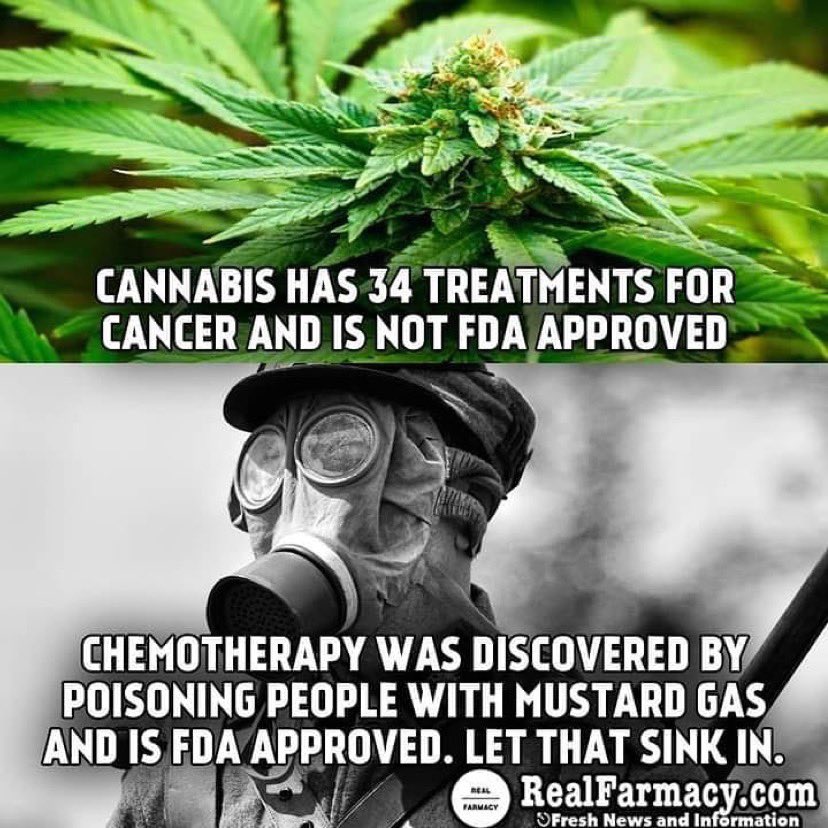
When you consider that chemotherapy can kill and does terrible damage to healthy cells, and to the immune system, it is difficult to see the value of taking chemotherapy.
I don’t think it is any exaggeration to suggest that much of the hype around chemotherapy has taken the treatment into the area of fraud – far more fraudulent indeed than treatments which are dismissed as irrelevant or harmful by the establishment.
Chemotherapy is a cull, designed by the conspirators and the medical establishment to cut the cost of caring for cancer patients.
The chances are that the doctors looking after you – especially the specialist oncologists in hospital – will recommend chemotherapy. They may push hard to accept their recommendation. They may even be cross or dismissive or assume you are ignorant or afraid if you decide you don’t want it. Cancer charities often shout excitedly about chemotherapy. But they are also often closely linked to the drug companies which make money out of chemotherapy – which, in my view, makes them part of the large and thriving “cancer industry.” It is important to remember that drug companies exist to make money and they will do whatever is necessary to further this aim. They lie and they cheat with scary regularity and they have no interest in helping patients or saving lives. Remember that: the sole purpose of drug companies is to make money, whatever the human cost might be. They will happily suppress potentially life-saving information if doing so increases their profits. It is my belief that by allying themselves with drug companies, cancer charities have become corrupt.
Little or no advice is given to patients about how they themselves might reduce the risk of their cancer returning. The implication is that it’s chemotherapy or nothing. So, for example, doctors are unlikely to tell breast cancer patients that they should avoid dairy foods, though the evidence that they should is very strong.
The one certainty is that it is extremely unlikely that anyone you see will tell you all the truths about chemotherapy. The sad truth is that the statistics about chemotherapy are, of course, fiddled to boost the drug company sales and, therefore, drug company profits. And the deaths caused by chemotherapy are often misreported or underestimated. So, for example, if a patient who has been taking chemotherapy dies of a sudden heart attack, their death will probably be put down as a heart attack – rather than as a result of the cancer or the chemotherapy. There may be some mealy-mouthed suggestion that the death was treatment related but the drug will probably not be named and shamed. Neither the chemotherapy nor the cancer will be deemed responsible. What this means in practice is that the survival statistics for chemotherapy are considerably worse than the figures which are made available – considerably worse, indeed, than whatever positive effect might be provided by a harmless placebo.
Here’s another thing: patients who have chemotherapy and survive five years are counted as having been cured by chemotherapy. And patients who have chemotherapy and then die five and a bit years after their diagnosis don’t count as cancer-related deaths. And they certainly don’t count as chemotherapy deaths.
A 2016 academic study looked at five-year survival rates and concluded that in 90% of patients (including the commonest breast cancer tumours), chemotherapy increased five-year survival by less than 2.5%. Only a very small number of cancers (such as testicular cancer and Hodgkin’s disease) were treated effectively by chemotherapy.
 Hellbound and Down
You must be logged in to post a comment.