Biden signs RFK Stadium land bill into law, a step toward potential Commanders stadium in Washington

President Joe Biden on Monday signed into law a bill that transfers the land that includes the old RFK Stadium from the federal government to city control, the next step to potentially pave the way for the NFL’s Washington Commanders to return to the nation’s capital.

Giving the District of Columbia control of the land for the next 99 years allows for the decaying husk of the old stadium to be torn down and the site redeveloped for any number of things. One of the possibilities is a football stadium and surrounding entertainment options at the franchise’s former home.

Owners Josh Harris, Mitch Rales and Mark Ein and Mayor Muriel Bowser stood behind Biden at the Resolute Desk in the Oval Office when he signed the D.C. Robert F. Kennedy Memorial Stadium Campus Revitalization Act. The Commanders in a statement said it was a big win for the city and its residents.

“Washington can finally move forward on a new vision for the RFK site,” they said. “We look forward to being a part of that conversation as we evaluate a future home for the Washington Commanders.”

Bowser called this moment “the results of years of tireless and strategic advocacy, extraordinary collaboration and bipartisan leadership.”

Keep reading

The New Bread and Circuses

Conservatives say Americans must “wake up” if we’re to save our country.  However, that implies that the people are asleep, unaware of increasing government oppression.

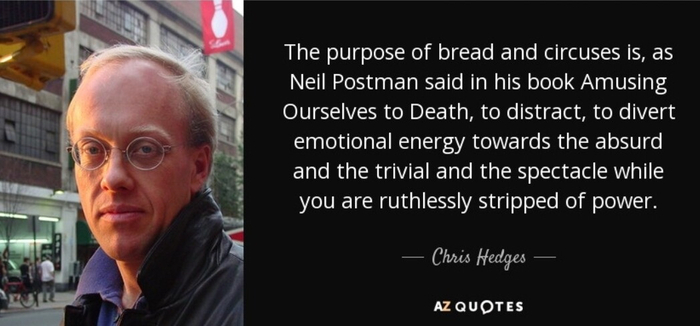
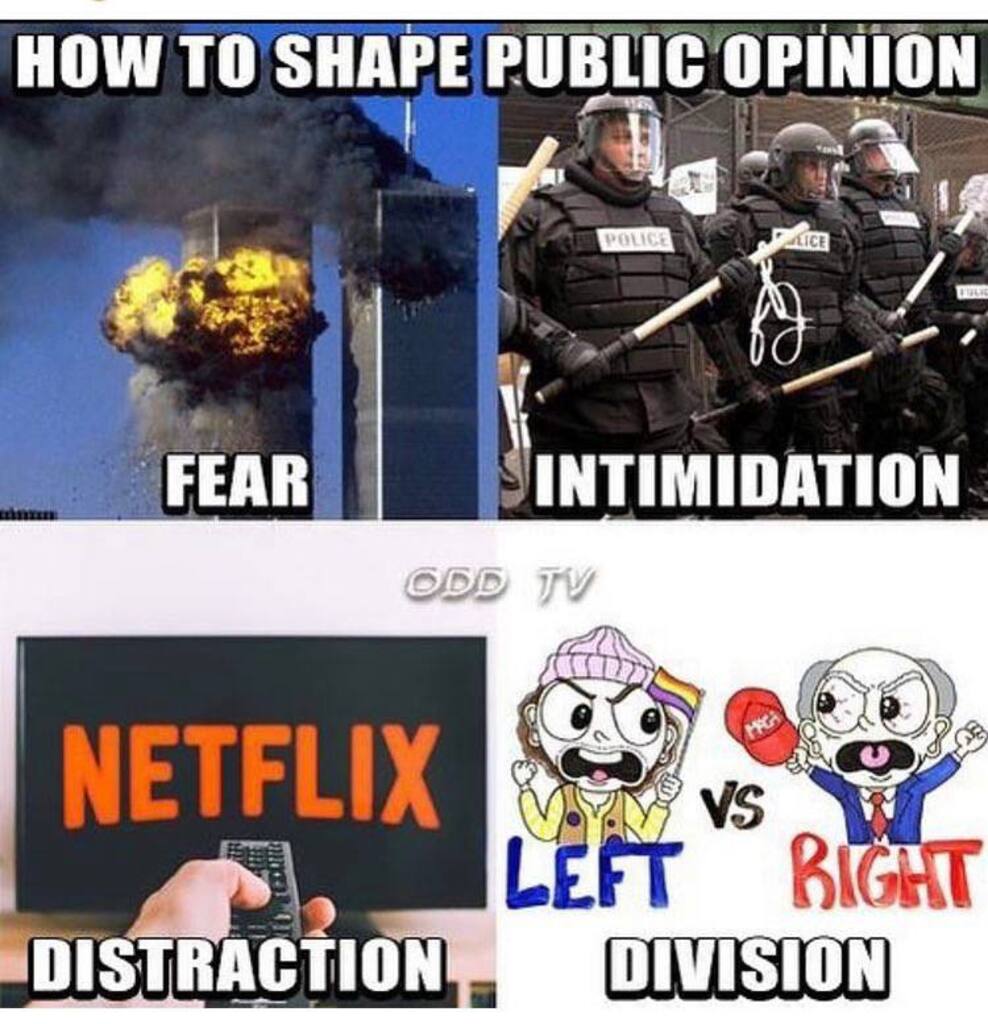
I submit that those apparently oblivious to America’s increasing tyranny aren’t really asleep.  No, much like citizens of ancient Rome, they’re distracted, placated.

In ancient Rome, the government provided bread, oil, and wine to its urban population along with entertainment — chariot races or gladiatorial fights.  Food and entertainment kept the people busy, content, with their eyes off the government.  The distractions worked.

“[The people] which formerly gave military power, high offices, legions, all, now contains itself, and eagerly desires two things only — bread and circus games.”

—Juvenal

Today, “bread and circuses” has been updated to fast food and smartphones.  The food’s not free, but it is prepared, packaged, and just a phone call away.  These meals on demand takes the worry out of dinner and give people more free time for their phones.  And these phones are today’s “circuses.”

These modern-day games are held in the Virtual Arena, AKA the internet.  Here people can listen to music, watch sports or movies, shop online, play games, meet with friends, or duel with strangers any time day or night.  This entertainment keeps the people “busy, content.”  It takes their eyes off the government.

For many Americans, this virtual world is their safe place, where they can control what they watch, whom they listen to, what they choose to believe.  In this world, they’re respected, validated as paragons of virtue.

Here they stand with those who reject hate, who serve as watchdogs to call out racists, xenophobes, homophobes, or transphobes.  These shining examples of moral superiority defend all immigrants.  They want to share America’s wealth with everyone, anyone.  They know that those crossing the border aren’t criminalsterrorists, or human traffickers — those are all lies by the rabid right, misinformation.  No, these immigrants are only looking for a better life for themselves and their families.

And these enlightened souls fight to save the planet.  They eagerly embrace any and all efforts to stop any global warming/cooling event.  They endorse drastic measures, even if such actions will leave many without a car, without heat, without a job — even if wind farms continue to kill birds (estimated 140,000 to 328,000 birds each year in North America).

Keep reading

Bread and Circuses: What It Means for Once-Great Nations

Democracy, that ever-so-fleeting fancy, has a tendency to tumble into a bit of a tizz before it topples over, panting and gasping like a winded walrus.

John Adams, ever the prophet of doom, once quipped, “Democracy never lasts long. It soon wastes, exhausts and murders itself”—a sentiment echoing through the corridors of time.

And sounding much like the belch of a senator post-banquet in ancient Rome, where democracy was more a concept for philosophical banter than a practice.

Indeed, Rome, with all its pomp and voracious appetite for self-indulgence, serves as a cautionary tale. It’s a well-trodden path.

Once upon a time in Rome, there was Juvenal. Not your garden-variety naysayer, but a man whose tongue was so sharp, he could slice the moral fabric of society with a mere quip.

And so, Rome bloated, not just in the midriff but in its sense of self, as leisure became the national pastime.

Back then, over 200,000 souls, their fingers sticky from pastry, found the concept of lifting a finger (unless it was to signal for another helping) utterly foreign.

Rome was transformed into a grand stage, where almost every day was a festival, and the citizens were either performers, spectators, or busy in the vomitorium making room for the next course.

Naval skirmishes in makeshift lakes, chariot races that put the fast and furious to shame, and theatre so risqué it could make a statue of Venus look prudish, were all funded by the very people it was designed to distract.

Ninety-three days of sheer, unadulterated spectacle each year, turning Rome from a republic into an extravagant production, where democracy was but a whisper drowned out by the roar of the crowd.

Sound familiar?

Keep reading