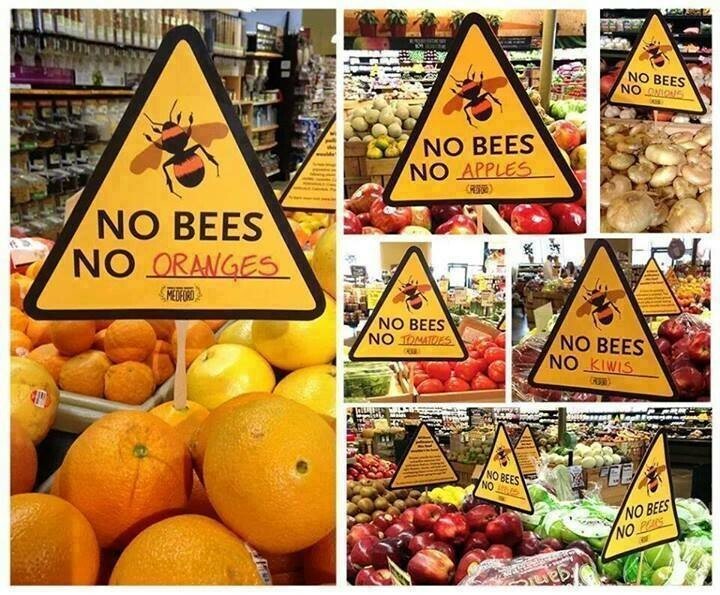
Study shows common insecticide is harmful in any amount

A new UC Riverside study shows that a type of insecticide made for commercial plant nurseries is harmful to a typical bee even when applied well below the label rate.

The study was published today in the journal Proceedings of the Royal Society B: Biological Sciences.

Chemically similar to nicotine, neonicotinoids are insecticides that protect against plant-consuming insects like aphids, but seriously harm beneficial insects, like bees. They are widely used by commercial growers.

Much research has focused on their use in food crops like canola, in which they are typically applied at low doses. However, this study is one of the few to examine neonicotinoid application in potted ornamental plants, which can represent more potent, acute sources of exposure to the toxin for bees.

“Neonicotinoids are often used on food crops as a seed treatment,” explained UCR entomologist and lead study author Jacob Cecala. “But they’re usually applied in higher amounts to ornamental plants for aesthetic reasons. The effects are deadly no matter how much the plants are watered.”

Keep reading

Roundup causes high levels of mortality following contact exposure in bumble bees

Our results are the first to show that contact exposure to either consumer or agricultural Roundup® products at label recommended concentrations can cause high levels of mortality in bumble bees. The consumer product Roundup® Ready‐To‐Use caused 94% mortality at the pre‐mixed concentration, and still caused significant mortality at a quarter strength. The agricultural product Roundup® ProActive also caused significant mortality, although over a longer time period. Interestingly, Roundup® No Glyphosate caused 96% mortality while the generic GBH Weedol® did not significantly increase mortality. Together, this demonstrates that the co‐formulants in these Roundup® products, not the active ingredient glyphosate, are driving mortality. We suggest that the mechanism driving this mortality may be surfactants in the formulations blocking the tracheal system of the bees, which is essential for gas exchange. Given the hazard demonstrated here with all tested Roundup® products, and the extensive exposure of bees to such GBHs world‐wide, GBHs may pose a high risk to bees, and thus may be an as yet unidentified driver of the bee declines that are occurring around the globe.

Keep reading