
A left-wing activist group is teaching liberals in Washington, D.C., and “across the United States” how to increase their chances of serving as jurors on cases brought by the Trump Department of Justice so they can undermine its chances of securing convictions, training materials reviewed by the Washington Free Beacon show.
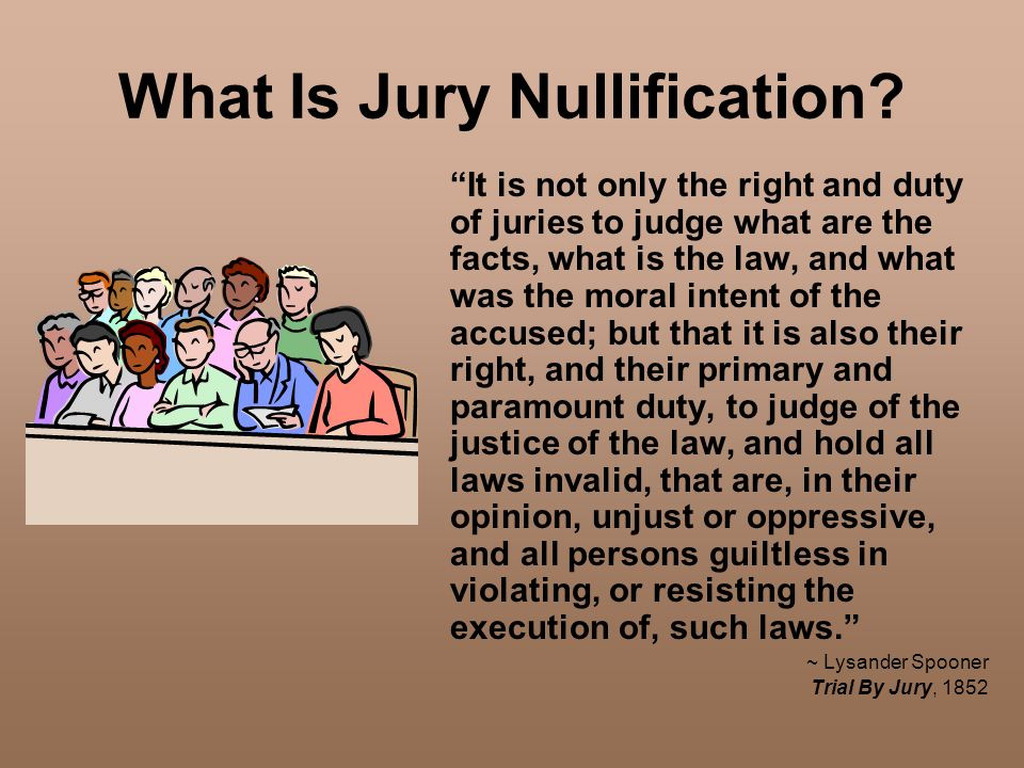
Freedom Trainers, whose fiscal sponsor is the George Soros-funded group Community Change, is working to make “jury nullification”—the practice of voting against a conviction even if the defendant broke the law—a go-to legal weapon for the Left. Its sessions and training materials, reviewed by the Free Beacon, show how the group teaches “committed people” to gum up federal prosecutions.
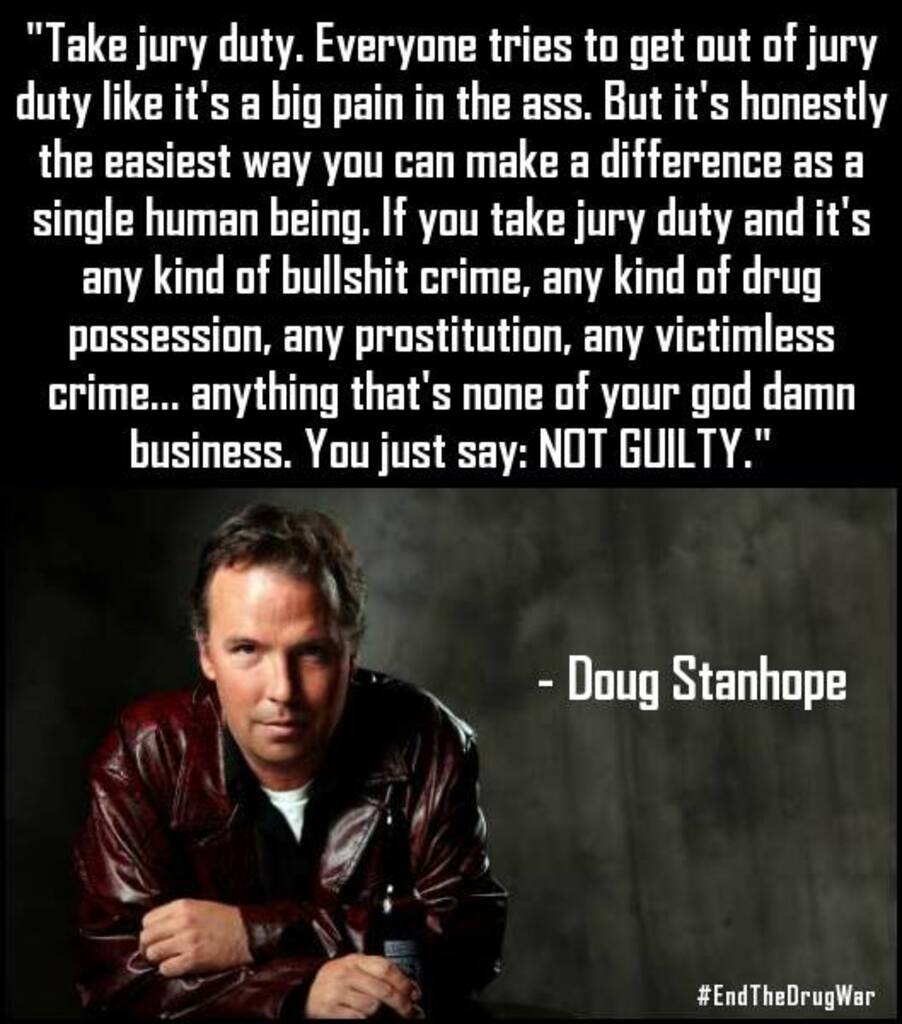
The group tells attendees to keep their addresses current to ensure they receive summons. Then, during the jury selection process, it advises them to “Never mention jury nullification,” “Don’t signal an agenda,” and “say you’ll listen to the evidence before forming conclusions.” Once selected, the group tells its trainees to vote “not guilty” for any reason.
Freedom Trainers’ efforts—which have not been previously reported—underscore the difficulty the Trump administration faces in securing convictions in the nation’s capital and other blue bastions.
“While we respect jurors’ role in the judicial process, the Department takes jury nullification and interference with official proceedings extremely seriously,” a Department of Justice spokeswoman said in a statement to the Free Beacon. “Any group attempting to improperly influence juries who should serve as impartial arbiters of evidence should be held accountable.”
Neither Freedom Trainers nor Community Change responded to requests for comment.
Freedom Trainers describes itself as a “loose network of trainers teaching collective noncooperation.” It was established in late 2024 as its leaders pondered a second Trump administration. “Before Donald Trump’s election, an informal group of trainers—many with experience working under authoritarian regimes—began asking a sobering question: what would people need if he won?” its website states.


 Hellbound and Down
You must be logged in to post a comment.