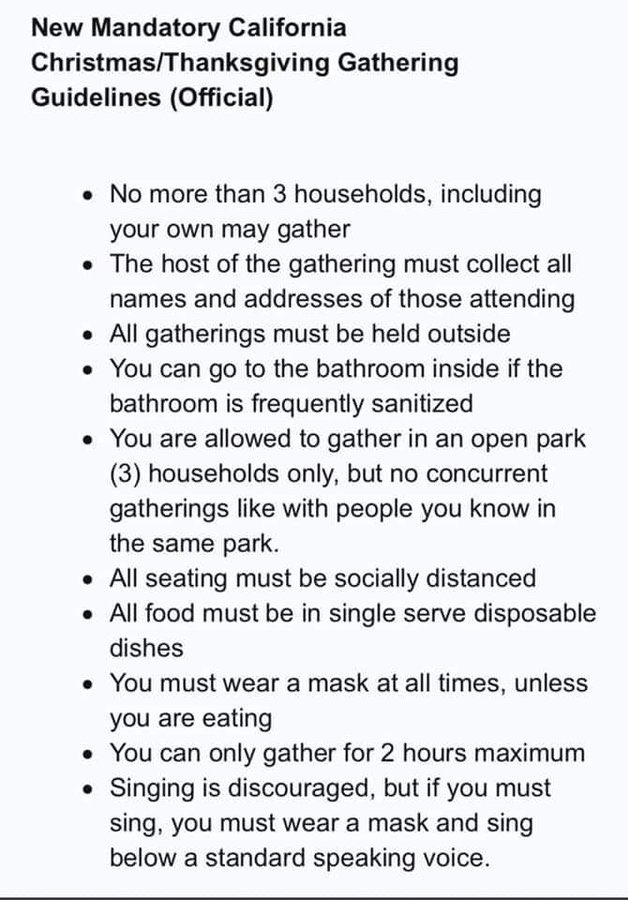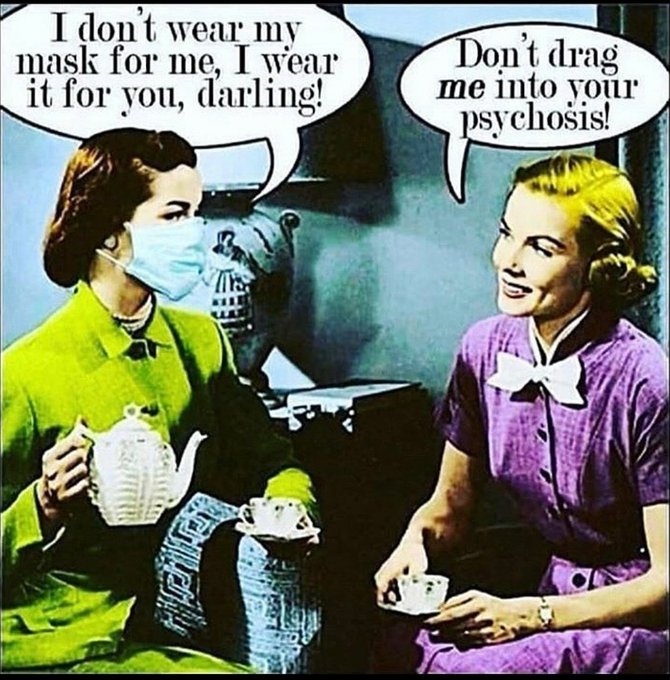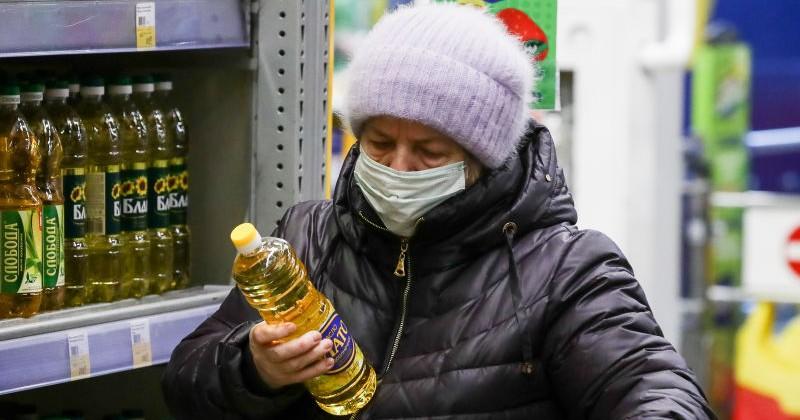

Sounds about right…


Sweden has been harshly criticized in the media for not imposing draconian lockdowns like the United States and the other European countries. Instead, Sweden implemented a policy that was both conventional and sensible. They recommended that people maintain a safe distance between each other and they banned gatherings of 50 people or more. They also asked their elderly citizens to isolate themselves and to avoid interacting with other people as much as possible. Other than that, Swedes were encouraged to work, exercise and get on with their lives as they would normally even though the world was still in the throes of a global pandemic.
The secret of Sweden’s success is that its experts settled on a strategy that was realistic, sustainable and science-based. The intention was never to “fight” the virus which is among the most contagious infections in the last century, but to protect the old and vulnerable while allowing the young, low-risk people to circulate, contract the virus, and develop the antibodies they’d need to fight similar pathogens in the future. It’s clear now that that was the best approach. And while Sweden could still experience sporadic outbreaks that might kill another 2 to 300 people, any recurrence of the infection in the Fall or Winter will not be a dreaded “Second Wave”, but a much weaker flu-like event that will not overwhelm the public health system or kill thousands of people.

“There are no solutions, only trade-offs,” Thomas Sowell famously said. When government takes action, even if that action is desperately needed, we still give something up. In the case of the Wuhan virus — with the endless mask mandates, social restrictions, and shutdowns it has ushered in — that something is our precious freedom.
The American founders recognized this conundrum. According to James Madison in Federalist 37, one of the greatest challenges of the Constitutional Convention was to find the right combination, the right proportions, of government power and individual liberty. The more we ask from our government, the more freedom it takes from us in exchange.
These days, as government takes more and more of our freedom, including mandating in many places that we must mask ourselves, it is time to ask serious questions about these trade-offs.

As colleges across America reopen for in-person learning this fall, some are asking students to report peers who might not be following guidelines that universities have set up to prevent the spread of COVID-19.
For example, the University of Miami has set up a system where “students are encouraged to report concerns about unsafe behaviors” of their peers, and administrators will review the concern.
Texas A&M University has a similar system where faculty members and administrators can file a report if they are concerned someone else on campus has COVID-19 or has come into contact with the virus.
Tulane University also has a system where university members can report “problematic behavior” related to COVID-19, and depending on the circumstance, are asked to call the university police.
“Do you really want to be the reason that Tulane and New Orleans have to shut down again?” Tulane Dean of Students Erica Woodly wrote on the reporting page announcement.
Yale University is even encouraging students to “make reports concerning COVID-19” to the university hotline.

First we were told face masks weren’t helpful in reducing the spread of the coronavirus because they would cause us to touch our face more and then spread the disease to others. Then we were told to wear the masks to save lives and reopen the economy.
Now the Centers for Disease Control and Prevention warns that face masks with vents or valves don’t reduce the spread of the virus, as those additions that allow the user to breathe easier can deposit more “expelled respiratory droplets that can reach others.” In guidance updated late last week, the CDC added a warning about face masks with exhalation valves or vents.
“The purpose of masks is to keep respiratory droplets from reaching others to aid with source control. However, masks with one-way valves or vents allow air to be exhaled through a hole in the material, which can result in expelled respiratory droplets that can reach others. This type of mask does not prevent the person wearing the mask from transmitting COVID-19 to others. Therefore, CDC does not recommend using masks for source control if they have an exhalation valve or vent,” the CDC warned (emphasis original).
Since the start of the pandemic, physicians have used hydroxychloroquine to treat symptomatic COVID-19 infections, as well as for prophylaxis. Initial results were mixed as indications and doses were explored to maximize outcomes and minimize risks. What emerged was that hydroxychloroquine appeared to work best when coupled with azithromycin. In fact, it was the President of the United States who recommended to you publicly at the beginning of the pandemic, in early March, that you should consider early treatment with hydroxychloroquine and a “Z-Pack.” Additional studies showed that patients did not seem to benefit when COVID-19 infections were treated with hydroxychloroquine late in the course of the illness, typically in a hospital setting, but treatment was consistently effective, even in high-risk patients, when hydroxychloroquine was given in a “cocktail” with azithromycin and, critically, zinc in the first 5 to 7 days after the onset of symptoms. The outcomes are, in fact, dramatic.

You must be logged in to post a comment.