
You’re right to fear them…


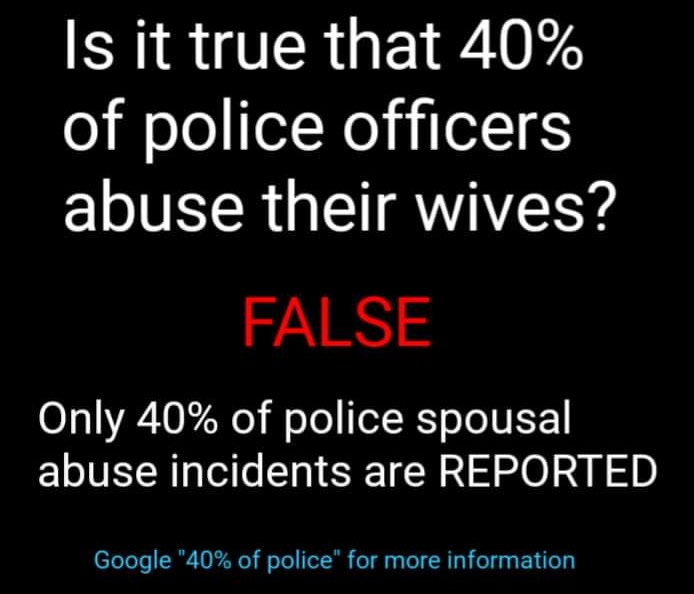
An FBI agent who worked together with at least 12 FBI informants to allegedly entrap a small group of patsies in a plot to “kidnap” Michigan Governor Gretchen Whitmer was criminally charged on Monday for beating his wife.
The alleged inability of FBI special agent Richard Trask, 39, to resist beating his wife for just a couple of months as the case go to trial may now end up jeopardizing the FBI’s entire suspected entrapment operation.

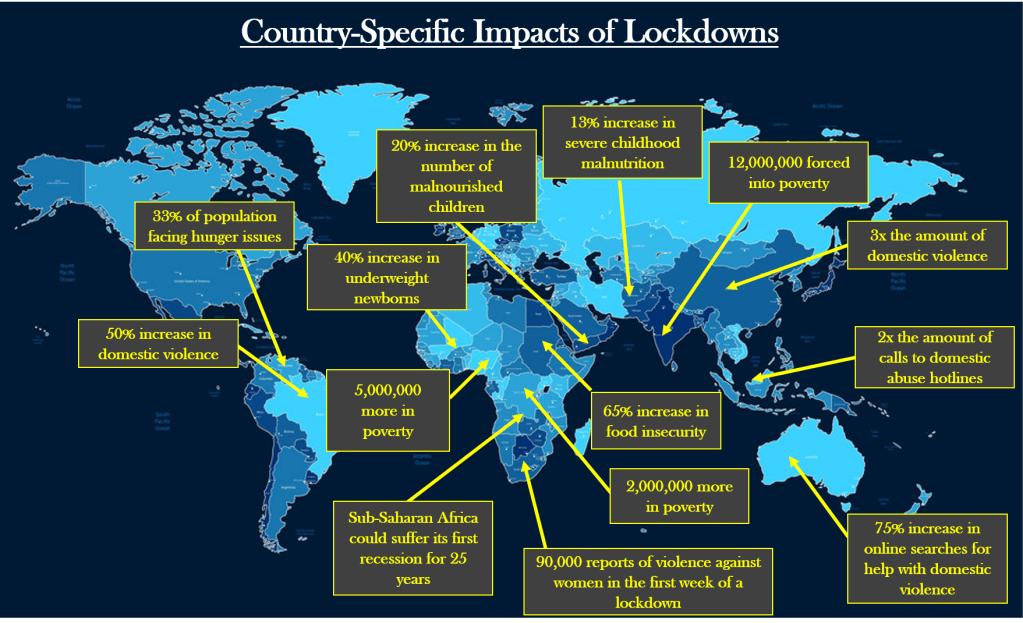
Analyzing government-mandated lockdowns in India, researchers Saravana Ravindran and Manisha Shah found evidence of a 131 percent increase in complaints of domestic violence in May 2020 in “red zone districts,” or districts that experienced the strictest lockdown measures, relative to districts that had less strict measures (“green zones”).
The researchers, who used a difference-in-differences empirical strategy, found the increase in domestic violence complaints was consistent with a surge in Google search activity for terms related to domestic violence over the same period.
The authors’ findings “contribute to a growing literature on the impacts of lockdowns and stay-at-home policies on violence against women during the COVID-19 pandemic.”
The findings, which also found a decline in reported sexual assaults because of decreased mobility, are similar to those from research that found lockdowns led to a 100 percent increase in intimate partner violence calls in Mexico City. A study analyzing data from police departments in four US cities showed smaller increases in domestic violence, 10-27 percent, during lockdown periods.
Globally about one-third of women experience “intimate partner violence” (IPV), which negatively impacts female earnings, labor participation, earnings, mental health, and household consumption.
At the height of New York’s coronavirus lockdown, domestic violence in the five boroughs skyrocketed, data show.
When the pandemic first laid siege, experts predicted that mandatory lockdowns and soaring unemployment would cause a rise in household abuse, and figures now bear them out — with domestic-violence reports at some agencies doubling and even tripling in the past few months.
“We’ve never been busier,” lamented Nechama Bakst, senior director of the Met Council’s family-violence program.
“We have seen people who never experienced violence starting to experience violence, and people who have experienced violence experience worse violence.”
Typically, the non-profit gets about 70 new cases a month — but in April, they juggled 135, another 145 in May and 146 more in June, the organization said.
“We see more choking, more sexual violence, kind of much more intense and serious acts of crime,” the director said.
 Hellbound and Down
You must be logged in to post a comment.